
As corporate marketing departments face continued C-suite scrutiny over ad spend efficiency, Chief Marketing Officers are reaching the structural limits of digital channel diversification. Traditional search and social channels are increasingly saturated and expensive, driving up customer acquisition costs (CAC). Yet, Chief Financial Officers have historically viewed moving enterprise budgets into physical, real-world advertising as an unprovable, risky leap of faith.
That C-suite dynamic is rapidly shifting as out-of-home (OOH) ad tech transitions from early-stage startup experimentation into a disciplined, profitable scale-up category.
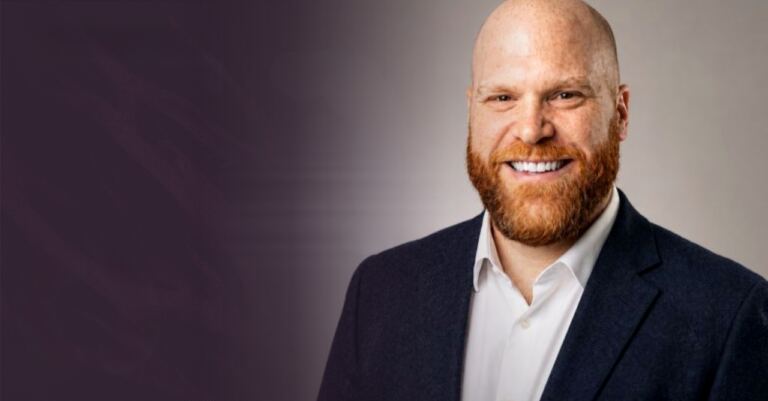
Marking this category evolution, Boston-based OOH media partner Onescreen named adtech veteran Adam Skinner as Chief Executive Officer. Skinner, who previously managed P&L across commercial, product, and technology operations for 200+ employees at Publicis Groupe’s Epsilon, succeeds Alex Ewing, who led Onescreen through its initial scaling phase since 2023.
The executive appointment reflects a broader structural market shift: performance-driven enterprise brands, such as Rippling, Replit, Ramp, Hexclad, Monks, and OUTSHINE, are moving physical out-of-home ads out of one-off, “experimental” brand awareness buckets and into standing, performance-accountable media allocations.
By establishing supply-side buyability and standardized impression comparability up front, the platform enables CMOs to present physical media investments to their CFOs alongside performance channels like Google, Meta, and Amazon. The result is a defensible allocation framework that unlocks real-world audience reach without sacrificing performance accountability.
“Retail media didn’t win because shoppers suddenly fell in love with sponsored listings. It won because someone made fragmented inventory buyable, impressions comparable, and outcomes provable,” said Skinner. “Out-of-home has better inventory than retail media ever had, but it has lacked that connective infrastructure. Budgets follow legibility, not enthusiasm. What drew me to Onescreen is that the hard part is already done – the team has made real-world media plannable and accountable on the front end, before the money leaves the account. Extending that into retail and commerce media, right as the standards arrive and the budgets line up behind them, is the most interesting problem in media today.”
Onescreen’s underlying financial metrics underscore the commercial viability of this approach. The company posted a 68% YoY revenue increase in Q1 2026, on top of 67% growth in H2 2025, while operating profitably and expanding its proprietary audience intelligence engine.
By applying structured buying standards and comparable impression metrics to real-world media, the company is giving enterprise marketers a financially rigorous way to diversify out of crowded digital ad auctions, proving that physical media can meet the strict financial and analytical standards required by modern corporate boardrooms.