Martial arts fighters have traditionally been divided. If you trained in Judo, you stayed in Judo. If you did Jujitsu, that was your lane. Strikers trained striking, grapplers trained grappling, and that was it.
That approach still exists, but at the highest levels, it’s starting to break down.
Today, the athletes who are winning, especially internationally, are the ones who can adapt. They’re not just good at one thing. They understand how different systems work together, and more importantly, how to adjust in real time depending on who they’re facing.
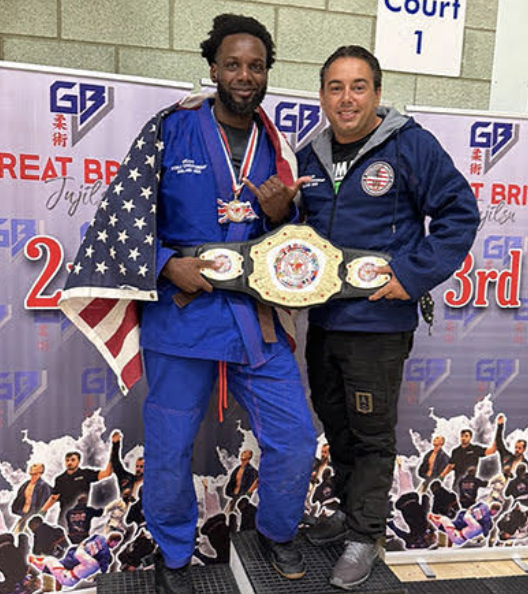
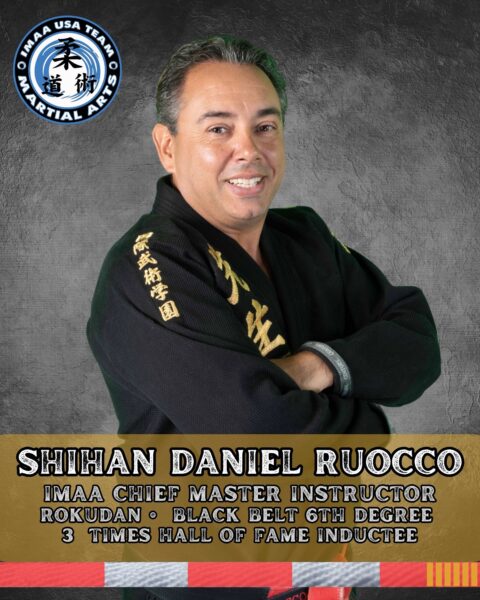
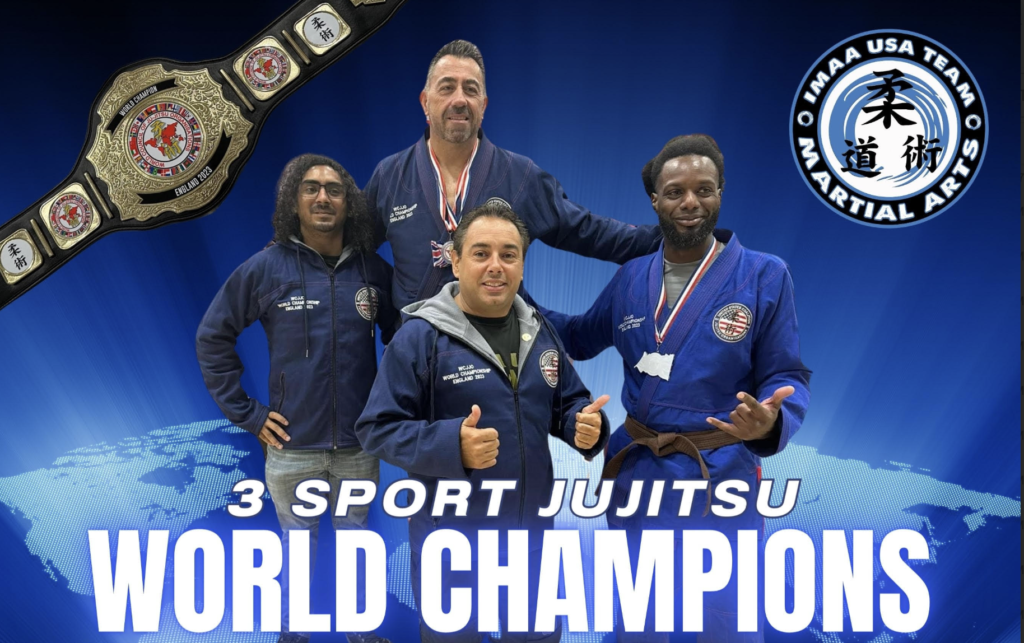
Dr. Daniel Ruocco, US National Team Coach and founder of IMAA Florida, has witnessed that shift firsthand. After more than 45 years in martial arts, training and teaching across Europe, Japan, Thailand, and the U.S., he’s built a system that reflects what actually works in competition today, not just what looks good in theory.
One Style Isn’t Enough Anymore
One of the biggest misconceptions in martial arts is that mastering one style is enough. It’s not.
Every discipline has strengths, but also limitations. Judo is incredible for balance and throws, but it doesn’t emphasize striking much. Jujitsu is strong in submissions and control, but that’s only one part of a fight. Muay Thai builds powerful striking, but doesn’t cover grappling as well. At lower levels, you can get by with those gaps. At higher levels, they get exposed fast.
Ruocco started noticing this years ago while training in different countries. Even though styles looked different on the surface, the underlying principles were often the same. What really mattered was how athletes combined them and how they adapted under pressure.
That’s what led him to build what he calls a Multi-Style System. Instead of focusing on a single discipline, his approach blends Judo, Japanese Jujitsu, Muay Thai, and traditional martial arts into a single system. Each piece plays a role, but none of them stand alone.
The goal isn’t to create specialists. It’s to create athletes who can handle anything.
Training Has to Match Reality
Another issue with many training systems is that they’re built around ideal scenarios. Real competition is not ideal. Things don’t go as planned. Opponents don’t move the way you expect. Matches don’t follow a script. That’s why training needs to reflect that reality.
At Ruocco’s academy, athletes don’t just train one way all week. Their schedule is structured so they’re constantly switching between striking, grappling, and mixed scenarios.
They also focus heavily on recovery, which many athletes overlook. It’s easy to think that training harder is always better, but that’s usually what leads to burnout or injury. The athletes who last are the ones who train consistently and intelligently over time, not the ones who go all out every single day.
His background in sports science plays a big role here, too. It’s not just about experience; it’s about understanding how the body works, how people learn, and how to structure training so it actually produces results.
The difference is that the system is built for long-term development, not short-term wins.
Mindset Is What Separates People
At the end of the day, even with the best training system, mindset is still what makes the biggest difference. Martial arts is not something you get good at quickly. It takes time, repetition, and a lot of patience. There are losses, setbacks, and moments where progress feels slow.
Ruocco emphasizes that discipline comes from the process itself. You show up, you train, you improve little by little. Over time, that builds something much bigger than just skill; it builds resilience. That becomes even more important when athletes start competing internationally.
In international competitions, athletes face different styles, environments, and much more pressure. They are traveling, adjusting, and representing their country all at once. Preparation becomes more detailed, studying opponents, adjusting strategy, and staying focused no matter what’s happening around them.
The athletes who succeed are the ones who don’t let that pressure get to them. They see it as an opportunity, not something to fear.
Where Things Are Going
Martial arts is evolving quickly. Athletes are faster, more technical, and more strategic than they were even a few years ago. There’s also growing conversation around Jujitsu potentially being included in future Olympic Games, which would bring even more attention to the sport.
As that happens, training systems are going to keep evolving, too.
The fundamentals will always matter; discipline, respect, and technique aren’t going anywhere. But how athletes are prepared is changing. The next generation of champions won’t come from one style. They’ll come from systems that are built to adapt. And that’s already starting to happen.