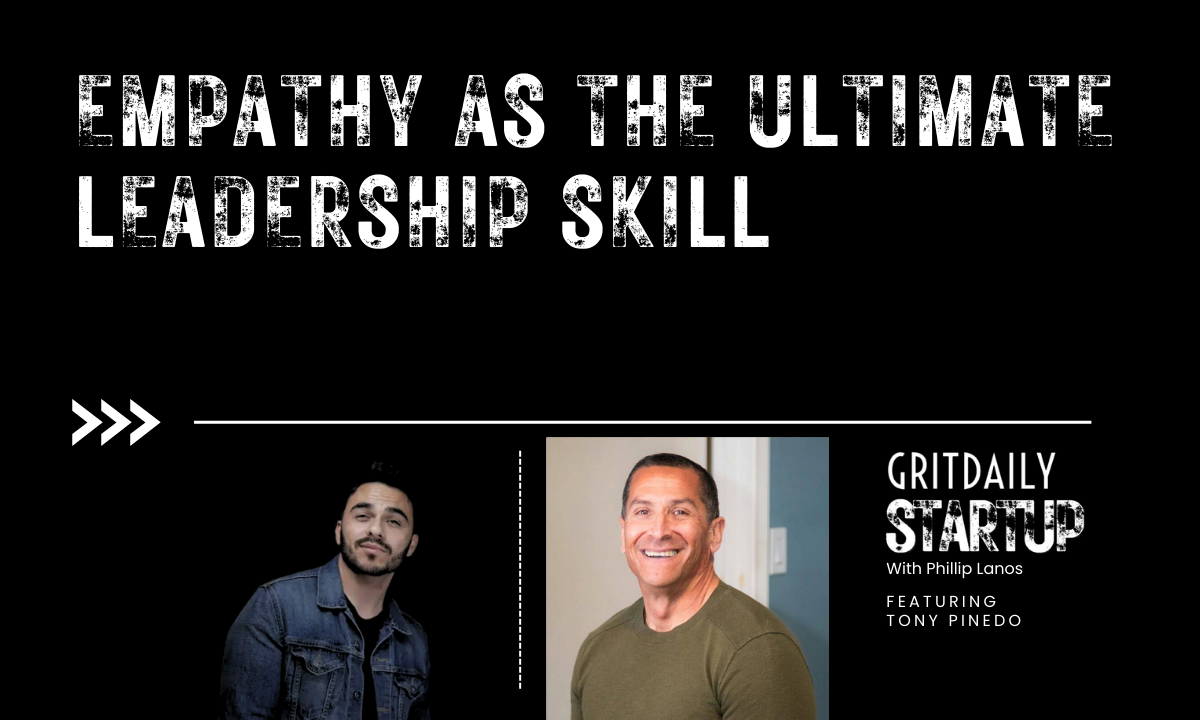
Tony Pinedo’s leadership philosophy was not forged in a boardroom or built through corporate playbooks. It was shaped inside one of California’s most complex environments: the Ventura Youth Correctional Facility. There, in a system defined by structure, hierarchy, and control, Pinedo discovered that transformation begins not with authority, but with humanity.
More than three decades into a career devoted to service, mentorship, and youth development, Pinedo has become a sought-after motivational speaker for hire, known for his ability to connect across generations. His message resonates because it is grounded in lived experience. He has worked with incarcerated youth, coached student athletes for over 25 years, and mentored leaders in education and business. Across every role, one theme remains constant: leadership is relational, not transactional.
At the Ventura Youth Correctional Facility, Pinedo was asked to take over a struggling program inside the institution’s first-ever female school. The assignment came with pressure. It was described as a last attempt to salvage the initiative. What followed became a case study in cultural transformation.
Rather than tightening control, Pinedo introduced dignity. He humanized the space. Students were greeted. Break structures were redesigned. A more fluid, respectful learning environment replaced rigid bell-to-bell management. Staff collaborated on individualized intervention strategies, identifying triggers and proactively supporting emotional regulation. What emerged was not just an academic program, but a holistic ecosystem.
Within months, attendance improved dramatically. Academic performance rose from elementary-level benchmarks to near high school graduation equivalency. Behavioral incidents declined. Violence within housing units decreased. Staff from across the institution began asking to be assigned to the program. Judges, grand juries, and lawmakers requested visits to understand why it was working.
The answer was disarmingly simple: people were treated as people.
That work earned Pinedo the Governor’s Beacon Award, created to recognize individuals who serve as a light of hope within state systems. Yet for Pinedo, the award symbolized something larger. It confirmed that environments often labeled chaotic or irredeemable can shift when empathy becomes operational policy.
Central to Pinedo’s philosophy is what he calls non-judgmental curiosity. Whether in a correctional facility, a football program, or a fast-growing startup, he believes mistakes should not trigger blame, but inquiry. Curiosity invites creativity. Judgment shuts it down.
In business settings, this mindset translates into resilience. Teams that are encouraged to pause rather than react can reinterpret setbacks as opportunities. Pinedo emphasizes the importance of the gap between stimulus and response. In that pause, meaning is assigned. Meaning shapes emotion. Emotion influences action. Leaders who master that gap create cultures where innovation becomes possible because fear of failure diminishes.
His approach has resonated with educators, administrators, entrepreneurs, and executives alike. Many who hear him speak remark not on tactics, but on tone. They are struck by the empathy he extends to those society often dismisses. That empathy, they realize, is transferable to their own teams, classrooms, and families.
Pinedo’s transformation was also personal. Early in his corrections career, he experienced the strain of living as two different people: one hardened for work, another striving to be present at home. Research within correctional professions highlighted the psychological toll of maintaining such duality. Pinedo recognized the truth in that data.
The breakthrough came when he stopped compartmentalizing. Instead of toggling between personas, he integrated them. Compassion became consistent. Authority no longer required emotional distance. The same intentional presence he practiced at work began to shape his family life.
He describes this shift not as workplace balance, but as workplace integration. Growth, he believes, depends on authenticity. Leaders who attempt to sustain separate identities eventually erode trust in both spaces. Leaders who align their values across environments become magnetic.
Pinedo frequently challenges the assumption that leadership requires rank. To him, the distinction between a supervisor and a leader lies in trust. Leaders have followers because followers feel seen. Trust is built through deliberate attention: remembering details, following up on personal challenges, acknowledging milestones, offering support without prompting.
These gestures are not performative. They are relational investments. An intern can practice them. A CEO can neglect them. Title is irrelevant. Intentionality is everything.
Today, as a motivational speaker, Tony Pinedo works with youth and adults across sectors, helping them reframe leadership as an act of service. He challenges audiences to consider the improbability of existence itself and to recognize the shared human experience as something rare and sacred. From that perspective, empathy is not optional. It is foundational.
Tony Pinedo’s journey demonstrates that systems change when people change, and people change when someone believes they matter.
Want more Grit Daily Startup Show? Take a look at past articles, head over to YouTube, or listen on Apple Podcasts or Spotify.