
Leadership is evolving faster than ever, shaped by emerging technology, shifting workplace expectations, and a renewed focus on human connection. This article gathers perspectives from seasoned experts who have tested these principles in real organizations and high-stakes environments. The following insights offer practical approaches to building resilient teams, making smarter decisions, and leading with clarity when the rules keep changing.
- Make Development about High-Frequency Reps
- Design Conditions That Create Resilience
- Compound Small Wins into Durable Progress
- Architect Faster Loops with Human Judgment
- Move from Operator to System Builder
- Offer Real Transparency and Expose the Stakes
- Ground Choices in Unfiltered Curiosity
- Make Care a Core Skill
- Regulate Physiology to Improve Decisions
- Exercise Quiet Authority to Clear Barriers
- Navigate Rapid Technological Shifts
- Share Knowledge to Elevate Colleagues
- Earn Credibility Through Demonstrated Expertise
- Redesign Processes to Reduce Leader Dependence
- Keep Crucial Details Deliberately Manual
- Protect a Few Non-Negotiable Commitments
- Slow Major Calls for Sharper Evidence
- Follow Live Customer Behavior over Plans
- Model Excellence Through Mentorship
- Grant Real Stewardship of Workflows
- Define Clear Ownership for AI Outputs
- Cultivate Taste to Raise the Standard
- Center Communication, Purpose, and Connection
- Use Visibility for Strategic Clarity
- Anchor Direction in Clear Core Values
- Build Beside People to Model Adoption
- Choose an Adaptive, Open Mindset
- Guard Consistent One-On-Ones to Deepen Bonds
- Turn Operational Friction into Better Habits
- Test Assumptions Before Strategy Becomes Policy
- Create Psychological Safety to Unlock Performance
- Prioritize Emotional Intelligence at Work
- Strengthen Empathy, Self-Awareness, and Trust
Make Development about High-Frequency Reps
Everyone’s asking about AI. But the trend I’m watching is what AI finally makes possible: treating leadership as a practice-based skill instead of a knowledge-based subject.
Here’s the problem we’ve had for decades. We treat leadership like it’s a knowledge problem. Read a book, attend a workshop, watch a TED talk. But leadership isn’t a knowledge problem. It’s a skill problem. And skills require practice.
Think about it, if you wanted to get better at golf, you wouldn’t just read about golf. You’d go to a driving range and hit 500 balls. If you wanted to get better at piano, you wouldn’t just watch YouTube videos. You’d sit at a keyboard for hours.
But how do you practice having a difficult conversation with an underperforming employee? You can’t. There’s no driving range for that. So what happens? Managers walk into high-stakes conversations with zero reps. They’ve never practiced. And then we wonder why those conversations go badly. This is where AI can become a powerful unlock.
We’ve been building an AI roleplay tool where managers can actually practice difficult conversations before they have them for real. You input your employee’s personality profile, you describe the situation, and the AI simulates that specific person. Not a generic “difficult employee.” Your employee. With their communication style, their likely objections, and their triggers.
You practice the conversation out loud. Voice to voice. And at the end, the AI scores you on whether you stayed curious instead of defensive, whether you asked before you told, and whether you found a shared goal.
In our workshops, we’ve always done live roleplay exercises. It works. But it’s awkward. People hold back. And you only get maybe two or three reps in a full-day session. With AI, a manager can do 50 reps in an hour. They can practice until they actually get good at it.
How am I incorporating this? I’ve built it with my team. We’re creating this tool because I believe practice-based development is the future. Training will shift from “learn the framework” to “practice the skill.” Workshops will become practice sessions, not lecture sessions.
The trend is recognizing that leadership is a performance skill. And performance skills don’t improve from information alone, but through repetition. AI just happens to be what finally makes that possible at scale.

Design Conditions That Create Resilience
The concept I am most excited about is the shift from leaders who demand resilience to leaders who build it. For years, the unspoken deal at work was that resilience was the employee’s job. Push through, bounce back, prove you can take it. The trend I am watching, and frankly pushing for, is leaders finally recognizing that resilience is not a personal trait we can extract from people through pressure. It is an outcome of the conditions they create. When a team keeps burning out, that is not a willpower problem on the team. It is a design problem at the top.
I think this reshapes the future of leadership in a concrete way: it moves the core leadership question from “how do I get more out of my people” to “what conditions let my people do their best work without breaking.” That is a higher bar, not a softer one. It asks leaders to take responsibility for the systems they have built rather than offloading the strain onto the individuals living within them. The leaders who get this will win on retention, trust, and performance, because people do their best work where they are not constantly bracing for impact. The ones who do not will keep mistaking compliance for engagement and wondering why their best people leave.
In my own development, I am holding myself to the same standard I ask of the leaders I work with. That means noticing when my instinct is to push harder and asking instead what in the system needs to change. It means designing my own work and my team’s around sustainable capacity rather than heroics, and being honest when I get that wrong. It also shows up in how I built The Wounded Workforce®, which exists to give leaders the practical tools to lead this way, rather than just being told they should. The most useful thing I can do as a leader is to model that resilience is something you design for other people, not something you demand from them.
Stephanie Lemek, Founder & CEO, The Wounded Workforce®

Compound Small Wins into Durable Progress
The leadership trend I’m most passionate about right now is the move away from chasing big, flashy wins toward a focus on steady, incremental improvement. It’s the idea that the real magic happens when you keep making small, thoughtful choices, day after day, choices that compound over time and quietly build something far more valuable than any single headline moment ever could.
I experienced the opposite during my 14 years working in the corporate world. The pressure was always on to hit the next headline number: the end of the quarter, a big announcement, something visible for the board or the press. Teams would scramble to make a splash, but it rarely led to anything lasting. I saw talented people exhaust themselves chasing these peaks, only to realise the highs never added up to real, sustained progress.
So, when I set out to build MezAgent, I made a conscious decision to take a different approach. In our first year, we didn’t rush into product launches or chase media coverage just for attention. Instead, we asked one fundamental question: Would an advisor trust our platform enough to make a real introduction to a real business? We focused on earning that trust before building anything else. That decision, to prioritise proof over publicity, turned out to be foundational. By Q1 2026, it had led to over EUR 8 million in closed deals, 400 verified advisors in 15 countries, and a product stack that’s tough to imitate because it’s grounded in genuine understanding, not speed or hype.
On a personal level, I practice this philosophy in a simple way: every Monday morning, I look back at one decision from the previous week. I don’t judge the outcome but reflect on the quality of my reasoning. Was it aligned with our long-term vision? Did it help build a stronger system, or was it just a quick fix? That fifteen-minute ritual has, over eighteen months, gradually shifted how I approach every decision that follows.
The leaders who will matter most in the next decade won’t be the ones grabbing headlines. They’ll be the ones quietly building teams and systems that get just a little bit better every week and who have the patience and discipline to stick with that process, even when the results aren’t obvious yet.

Architect Faster Loops with Human Judgment
One leadership concept I’m most excited about is AI-augmented leadership, where the leader’s job shifts from being the main source of answers to being the designer of better systems, better prompts, and better decision-making loops. I think the future of leadership will belong to people who can combine human judgment with AI speed. The advantage is no longer just working harder or knowing more. It’s creating an environment where teams can test ideas faster, learn faster, and spend more time on high-value thinking.
In practical terms, I see this changing leadership in two big ways. First, leaders will need to become much more comfortable with transparency in how work gets done. If a team is using AI for research, drafting, analysis, or creative exploration, the real leadership skill is setting standards: what must be checked by a human, where originality matters most, and what quality bar cannot be compromised. Second, leaders will need to reward learning velocity, not just polished output. Teams that can run thoughtful experiments and improve quickly will outperform teams that wait for certainty.
At Cliprise, I incorporate this into my own development by treating AI as a thought partner, not an autopilot. I use it to pressure-test messaging, explore product ideas, and speed up early drafts, but I still make the final call on positioning, priorities, and customer value. I’m also intentionally practicing a leadership habit of asking better questions before chasing faster answers. For example, instead of asking, “How do we produce more content?” I ask, “What system helps us produce useful content consistently without lowering quality?” That changes the conversation from output to design.
The leaders who stand out over the next several years will be the ones who can build teams that are both more automated and more human: faster in execution, clearer in judgment, and more disciplined about what deserves a human touch.
Move from Operator to System Builder
The trend I care about is leaders shifting from doing the work to building the systems the work runs on. For years the goal was to be the best operator in the room and stay close to every account. I did that. At some point it stops scaling and starts holding the team back, because everything has to route through you.
This past year I rebuilt our operation around automation. Orders move from invoice to production to fulfillment without me approving each step. My account manager owns client relationships now, not me. My role went from closing deals to building the thing that makes closing repeatable.
Where I think leadership is headed: the people who win won’t be the ones who can do it all themselves. They’ll be the ones who can look at a messy process, figure out what actually needs a human, and automate the rest. That’s what frees a team up for the work that takes real judgment.
How I’m working on it: I get into the weeds of our tools and map how a process really works before trying to systematize it. You can’t automate what you don’t understand. So I’ve had to be a beginner again, learning the technical side instead of staying where I’m comfortable on the sales side.

Offer Real Transparency and Expose the Stakes
The leadership concept I’m most excited about is radical transparency, and I think it’s about to become the single biggest differentiator between leaders who retain talent and leaders who lose it.
Most “transparency” in business is performative. Town halls, all-hands decks, curated updates. Real transparency is messier. It means sharing the why behind decisions, the financial stakes, the trade-offs you’re weighing, even when it’s uncomfortable. I over-share with my team at Tabula often. Not gossip, but context. Why we’re pricing a product the way we are. Why we said no to a client. What I’m actually worried about this quarter. When people understand the reasoning, they stop being executors and start being part of the team, because they actually are.
Here’s why I think this becomes non-negotiable over the next few years: AI is rewiring the labor market in a way most leaders haven’t internalized yet. Unemployment is rising in aggregate, but demand for AI-fluent talent is climbing very fast. Companies are hiring one great AI-native operator to replace three or four traditional roles. That’s a red ocean and every serious company is fishing in the same pond for the same people.
Those people know exactly what they’re worth. They can see past the veneer. They won’t stay for foosball tables and vague mission statements from leaders. They’ll stay for leaders who treat them like adults, share the real picture, and build cultures where the upside is felt by everyone, not just the owner.
That last part matters most to me. In an AI-leveraged business, you genuinely need fewer people. The question is what you do with the margin that creates. My answer: pay people better, invest in culture, and build a system where the team feels the fruits of growth, not just watches it from the outside. Work isn’t just about profit. It’s about building a mechanism where everyone who helps create the value gets to share in it.
That’s the leadership shift I’m betting on. I’m incorporating it by defaulting to over-communication with my team, structuring our growth so compensation scales with results, and resisting the instinct to filter information “for their benefit.” The leaders who hoard context will lose their best people to leaders who don’t. Simple as that.

Ground Choices in Unfiltered Curiosity
I’m most interested in leaders who build their decision-making around curiosity about the people closest to them. I mean sitting with the small, specific details of how people behave and what they care about.
I have two sphynx cats, and watching them has reinforced something I try to carry into how I lead. They’re completely transparent creatures. No fur to hide behind, every emotion visible, every reaction immediate.
That kind of radical transparency is something I think about when I’m building teams or talking to my partners. I want to know what people think before it’s been filtered through three layers of professionalism.
So I’ve been asking better questions in my one-on-ones and being more direct about what I don’t know. The conversations get uncomfortable sometimes, but my team flags problems earlier now. I’d rather have ten honest, awkward minutes than a month of polite silence.

Make Care a Core Skill
Most leadership development focuses on skills you can see. How to delegate. How to coach. How to deliver feedback. How to manage change. Very little time is spent teaching leaders how to care. Not because caring is unimportant. Because we’ve treated it like a personality trait instead of a professional skill. You’re either a “people person” or you aren’t. I don’t buy that.
The best leaders I’ve worked with weren’t all naturally charismatic or outgoing. They were intentional. They remembered what mattered to people. They noticed when someone seemed off. They explained the “why” behind difficult decisions. They made time for conversations that weren’t on the calendar because they understood leadership is built in ordinary moments, not annual engagement surveys. Employees know the difference.
They know when a manager is asking, “How are you?” because they’re supposed to, and when they’re genuinely interested in the answer. They know the difference between recognition that came from a template and appreciation that came from paying attention. You can’t automate that. You can’t fake it for very long either.
Ironically, I think caring is becoming more valuable because technology is getting better. As AI takes over administrative work, leaders will spend less time on transactions and more time on judgment, relationships, and influence. The skills that differentiate great leaders won’t be writing performance reviews or scheduling one-on-ones. They’ll be building trust, navigating difficult conversations, recognizing potential, and creating environments where people want to do their best work.
Caring doesn’t compete with accountability. It strengthens it. The managers I respect most set incredibly high expectations. They also make it clear they’re invested in helping people meet them. Employees are far more willing to hear difficult feedback when they believe it’s coming from someone who genuinely wants them to succeed.
I’m trying to develop that skill myself. Not through another leadership book, but by slowing down enough to notice people. Asking one more question. Listening a little longer. Assuming there’s usually more to the story than what’s sitting on the surface.
We spend a lot of time talking about the future of leadership. I think it looks surprisingly human. Caring is a skill. And I think it’s going to become one of the most valuable ones a leader can develop.

Regulate Physiology to Improve Decisions
The leadership trend I’m most excited about right now is what I’d call “nervous system-aware leadership” – and I think it’s going to quietly reshape how founders and team leads operate over the next few years.
For a long time, leadership development has focused almost entirely on strategy, communication, and execution. And those things matter. But there’s been a huge blind spot around the biological reality of decision-making under pressure. When you’re running a company, you’re often operating in a state of chronic low-grade stress – and that state literally changes how you think, how you listen, and how you show up for your team. No amount of productivity frameworks fixes that.
What I’m seeing – especially in the wellness and health tech space where I work – is that more leaders are starting to treat nervous system regulation as a core professional skill, not a personal wellness hobby. Breathwork, somatic practices, even just intentional recovery between high-stakes decisions. These aren’t soft add-ons. They’re performance inputs.
At Breakthrough Apps, we build Apps for wellness practitioners – yoga teachers, breathwork coaches, meditation guides. So I’ve had a front-row seat watching what happens when someone deeply understands their own physiology. They make cleaner decisions. They hold difficult conversations without going into reaction mode. They create team cultures where people actually feel safe to flag problems early.
I’ve been incorporating this into my own leadership by getting serious about what I do between the intense periods, not just during them. The recovery is where the recalibration happens. And honestly, some of my clearest strategic thinking has come after I’ve deliberately stepped away rather than pushed through.
The broader shift I’m seeing is that high performance is finally being redefined – away from grinding and toward something more sustainable and honest. Leaders who figure this out early are going to have a real advantage, not just in their own output but in their ability to retain people who are increasingly burned out and paying attention to how their leaders actually operate.
It’s a trend that’s been building from the bottom up, through the wellness world, and it was only a matter of time before leadership caught on.

Exercise Quiet Authority to Clear Barriers
The conversation regarding leadership seems to be more elegant than the truth. As someone who works in enterprise automation, decisions do not fall apart because we do not have enough ideas. Decisions fall apart when everyone’s overwhelmed and nothing makes sense anymore. Teams end up complicating their communication and having more meetings than anything technical.
The various leadership philosophies seem like a great idea in this context but most do not seem to hold up too well. At places like SeoSets, my priority is not about following the latest leadership trends, but how capable we are of doing our jobs without questioning ourselves along the way.
What I have been gravitating towards all along has been quiet leadership. Not so much about micromanaging, but rather clearing away whatever hampers the process of making decisions. Not imposing vision statements, but simply streamlining processes so as to allow decisions to be made within the context in which they are to take effect.
As an example, I remember that engineers working without having to go through endless loops of approval were solving issues quicker than they ever would have been directed from above. The problem that most frequently occurred in projects in my experience was decision rights uncertainty, and not any actual issues related to the project at hand.
I am doing so in a small and uncomfortable way. It happens that I explain my reasoning too much, which seems like an advantage but only creates delays rather than facilitating alignment. Now, I try to talk less, stick to the key decision and refrain from becoming the person who has to be approached with all questions. Also, I am careful not to push the decision upwards just because the situation looks confusing and difficult.
Not quite there yet. Sometimes, in situations of pressure, I find myself getting too controlling, as if it were the old definition of leadership. The new definition of leadership has to do with the art of creating circumstances for quality decisions free from any hindrances. The ideal leader may remain unnoticed most of the time.

Navigate Rapid Technological Shifts
One leadership trend that I find particularly interesting is the need for leaders to adapt to the rapid pace of technological change, especially the proliferation of AI across every aspect of business.
Throughout my career, major technology shifts have always influenced how organizations operate, but the speed and scale of change driven by AI feels different. AI is no longer confined to technical teams or specialized functions. It is influencing how products are developed, how decisions are made, how customers are served, and how employees work. Every leader, regardless of industry or function, now needs at least a working knowledge of these technologies and their limitations.
What this means for the future of leadership is that adaptability will become one of the most important leadership qualities. In the past, leaders were often expected to have deep expertise and all answers. Today, the environment is changing too quickly for any one person to have the answers. Instead, leaders need to be comfortable learning, challenging their own assumptions, and helping their teams navigate uncertainty.
What excites me most is that as technology becomes more capable, the human side of leadership becomes even more important. AI can help us analyze information, automate tasks, and improve efficiency, but it cannot replace judgment, empathy, trust, or the ability to inspire people around a common goal. In many ways, technology is raising the bar for leadership.
Here is how I try to incorporate this into my own development. First, as a self-described “Chief Tinkering Officer”, I make a conscious effort to stay informed about emerging technologies and experiment with AI tools so that I understand firsthand, rather than viewing them from a distance. Second, I continue to invest in the skills that matter most when leading people through change, such as listening, communicating clearly, building trust, and helping teams remain focused during periods of uncertainty.
The leaders who will succeed in the coming years will not necessarily be the ones who know the most about AI. They will be the ones who can connect technological possibilities with business outcomes while keeping people engaged and motivated through the transformation. The challenge is not merely adopting new technology; it is helping organizations and individuals adapt as well. That is where leadership will have its greatest impact.
Share Knowledge to Elevate Colleagues
One leadership concept I’m genuinely interested in is leadership through knowledge sharing. I see more strong specialists becoming visible not only because they do great work, but because they share how they think: through internal workshops, online sessions, conference talks, mentoring, or simply explaining a solution that helped them solve a difficult problem. For me, this is a very healthy shift. Leadership becomes more tied to the ability to make others stronger.
In a fast-moving field like software development, this matters a lot. Tools change, approaches change, and no formal training program can cover everything in time. But one experienced engineer sharing how they solved a non-standard task, tested a new tool, or avoided a technical mistake can save the team hours of future trial and error.
At launchOptions, we try to support this kind of initiative inside the company. If someone has useful experience to share, we can organize an offline or online session for the team as a practical knowledge exchange. It can be about architecture, AI tools, delivery process, or any topic where real project experience can help others work better.
For my own development as a CEO, this means creating more space for people to teach, not only execute. Coming from a backend background, I know how much practical knowledge often stays inside one person’s head. A good leader should notice that knowledge, give it a platform, and help it move through the team.

Earn Credibility Through Demonstrated Expertise
The leadership trend I find most significant: the shift from positional authority to demonstrated expertise as the primary source of leadership credibility.
For most of the past century, leadership authority derived from position – the title, the org chart, the chain of command. People followed leaders because of where they sat, not necessarily because of what they knew or could do. That model is eroding faster than most organizations have acknowledged.
AI is accelerating the erosion in a specific way: it makes expertise visible and verifiable in real time. A leader who publishes their thinking publicly, demonstrates their judgment in written form, and builds a track record of specific outcomes can now establish credibility with people who have never met them and organizations that have never employed them. The audience for demonstrated expertise has expanded to anyone with internet access.
The implication for leadership development: the leaders who will have the most influence in the next decade are the ones who can demonstrate their thinking clearly and publicly, not just the ones who have accumulated seniority or impressive titles. Credibility will increasingly be earned through visibility of reasoning rather than through institutional affiliation.
How I am incorporating this: building Multiply CMO entirely on the public demonstration of thinking – expert PR placements, published frameworks, documented diagnostic processes – before a single client has signed. The authority is being built through demonstrated expertise rather than through a track record of corporate titles. That approach is both a strategy for the practice and a test of the trend itself.
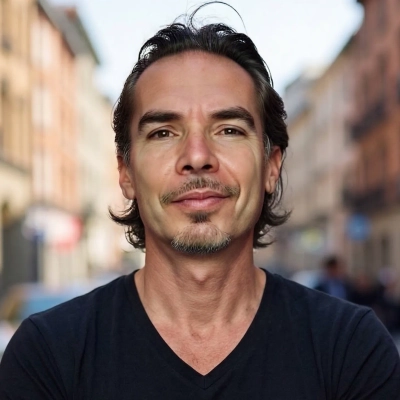
Redesign Processes to Reduce Leader Dependence
Last week I attended a small business expo in San Francisco and spent the day talking with founders and business owners. A day later, I had a conversation with the CEO of an AI company.
On the surface they were completely different conversations. But they both left me thinking about the same question. We spend a lot of time talking about AI changing the way we work. But I’m beginning to think AI is exposing something that has been there all along.
For years, we rewarded leaders for being the person everyone depended on. The more experienced they became, the more approvals, decisions, and escalations found their way to their desk. That was often seen as a sign of leadership.
The directors I work with don’t have a knowledge problem. Most know exactly what they’re doing. What they’re wrestling with is that too much still depends on them. AI doesn’t create that dependency. It simply makes it impossible to ignore because everyone else is moving faster.
That’s what I’m spending my own time learning about. How leaders redesign the way work flows through their teams. Creating ownership, trust and clear boundaries with respect to decisions. I want to see leaders in Director and VP roles create leadership leverage not by making themselves work more or faster, but by making their teams less dependent on them. Technology will keep evolving but helping people work together differently is the part that fascinates me more.
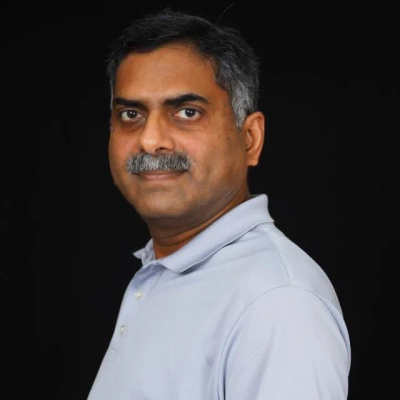
Keep Crucial Details Deliberately Manual
The leadership idea I care about right now is keeping a few things deliberately manual. That sounds backwards because everyone is trying to automate the boring parts of leadership. But I think some boring parts should stay close to the leader. Reading a weird customer complaint yourself, looking at a failed product flow without a summary, checking the actual draft someone struggled with. Those little manual moments keep you from managing only through cleaned-up versions of reality.
I am trying to build that into how I work. Once a week, I force myself to look at raw things before I look at any neat report. Not because reports are bad, but because they make everything feel more settled than it really is. I think future leadership will need more of that. The leader who knows what not to automate will probably understand the business better than the one who automates every uncomfortable detail away.

Protect a Few Non-Negotiable Commitments
The leadership trend I’m most excited about is leaders who are willing to be stubborn about a few things for a very long time.
My own development right now is centered on identifying which two or three commitments I refuse to revisit every quarter. I pick them based on what my customers have consistently told me matters, and then I protect those commitments from internal pressure to optimize or modernize them. The discipline looks like repeating the same answer in meetings when someone suggests a shortcut.
In my own company, when my team knows certain things are settled, they stop relitigating old decisions and start experimenting where experimentation helps. The settled commitments give the rest of the organization room to move.

Slow Major Calls for Sharper Evidence
I’m excited about deliberate slowness in decision-making, the discipline to sit with incomplete information longer than feels comfortable before committing resources.
Running high-volume digital campaigns taught me what happens when you react to every data blip. Teams chase early signals that turn out to be noise, and you burn budget and morale in the process. I spent years in that cycle before I started building in structured delay.
Now, before I greenlight a major spend or a new hire, I ask my team to present the same recommendation twice, a week apart, with updated numbers. The recommendation frequently changes on its own between those two presentations. This year I can point to several cases where that one-week buffer kept us from committing to a hire or a campaign that the second round of data no longer supported.
I’ve started doing the same thing with how I evaluate quarterly plans. I hold my first read of the numbers for a few days before I respond to my team.
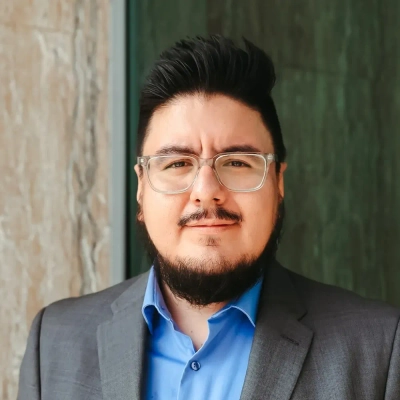
Follow Live Customer Behavior over Plans
I’m most excited about leaders who build their decision-making around real-time customer behavior. In my experience running an online retail operation, I found that when I relied on quarterly check-ins, I was working from assumptions that had already drifted from what my customers were doing.
I started treating my own product assortment decisions the way I’d want my team leads to treat theirs. Every week I look at what’s selling, what’s getting abandoned in carts, and what’s drawing repeat visits without converting. Those signals shape what I stock, how I price it, and where I put my attention.
The discipline is the willingness to abandon a plan you spent time building because the data moved. When I train myself to respond to what’s happening with my customers on a Tuesday afternoon, I make faster calls. My team picks up on that tempo. Decisions get smaller, more frequent, and easier to reverse when they’re wrong.

Model Excellence Through Mentorship
One leadership concept I am most excited about is mentorship-led leadership, where leaders invest in people and set the standard through daily actions. I see it shaping the future by building stronger, more resilient teams that learn faster and stay engaged because they can clearly see what good leadership looks like in practice. When employees look up to their leaders and see them committed to the firm’s growth, it creates motivation that is rooted in trust and shared purpose. In the years ahead, I believe organizations will place more value on leaders who coach, develop, and model the behaviors they expect from others. I incorporate this into my own development by staying intentional about leading by example in how I prepare, communicate, and follow through. I also prioritize mentorship as a regular part of my leadership, making time to support people’s growth and raise the bar through direct guidance. That discipline keeps me accountable while helping the next generation of leaders build confidence and capability.
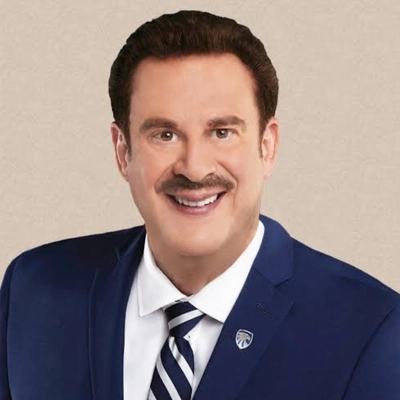
Grant Real Stewardship of Workflows
One leadership trend I’m genuinely excited about is the shift from managing and assigning tasks to giving every individual real ownership of processes — and AI is making this possible in a new way.
There are real opportunities right now for individual contributors and managers within larger hierarchies to rethink the processes they own, use AI agents and skills, and operate at a higher level than their role traditionally allowed.
The leadership style that fits this moment should focus on outputs and efficiency, and be more confident in professionals’ ability to rethink and redesign how work gets done, not just execute it.
For me, this means raising the bar on conversations with my direct reports. I don’t just expect to see the output — I want to understand the path that led to it. Was that the most efficient route? Are there better tools available? Should the process itself be redesigned? That debate is richer than checking quality at the final delivery. It drives growth in the team, in the organization, and in leadership too. Your job is no longer just to oversee quality — it’s to oversee whether the process is fit for purpose.

Define Clear Ownership for AI Outputs
As AI takes over more execution, the most important leadership skill is no longer making decisions. It’s designing systems where it’s always clear who is accountable for them.
For what I’ve seen building a company where AI is embedded in compliance-critical workflows, the leadership question that keeps coming up isn’t about technology. It’s about accountability. When AI generates an output, who owns it? When something goes wrong, who answers for it? Most organizations haven’t resolved this, and the ambiguity is where things quietly break down. The leaders doing this well are designing what I’d call accountability architecture before deployment, not after an incident.
At Pure Global, every AI output passes through a specialist who owns the final decision. That structure didn’t happen by accident. It was a deliberate leadership choice, and I think building that kind of clarity into how organizations operate is going to define what good management looks like for the next decade.

Cultivate Taste to Raise the Standard
The concept I keep coming back to is leadership as taste rather than leadership as decision-making. With AI tools and frameworks available to almost anyone, the ability to make a competent decision is no longer scarce. What is scarce is knowing which decisions are worth making in the first place, and telling the difference between work that is good and work that is just acceptable. That is taste, and it is becoming the more important leadership muscle.
How I am incorporating it into my own development is by spending less time on management content and more time studying excellent work outside my industry. The point is not to copy what they do but to keep recalibrating my own sense of what good looks like, so the standard I hold our work to does not drift.

Center Communication, Purpose, and Connection
One leadership concept I’m especially excited about is the shift from command-and-control leadership to more human-centered, communication-driven leadership. As organizations continue to navigate change, uncertainty, hybrid work, and evolving employee expectations, leaders can no longer rely solely on authority or expertise. The future of leadership will be shaped by the ability to listen deeply, communicate clearly, build trust, and help people connect their work to a larger purpose.
I’m incorporating this into my own development by being more intentional about how I communicate, not just what I communicate. That means asking better questions, creating more space for dialogue, adapting my message to the audience, and focusing on whether the message is truly being understood. Leadership is increasingly about influence, clarity, and connection, and those are skills that require ongoing practice.

Use Visibility for Strategic Clarity
One leadership concept I’m particularly excited about is the shift from visibility as self-promotion to visibility as a means of strategic clarity. For years, many leaders believed that being louder, posting more, or constantly being present online was the key to influence. Today, the most effective leaders are those who can communicate a clear point of view, build trust, and align their perceived value with the value they bring.
I believe the future of leadership will belong to individuals who understand how to shape perception intentionally while remaining authentic. As teams become more distributed and relationships increasingly begin online, leaders need to be just as intentional about how they communicate as they are about what they accomplish.
In my own development, I’ve become more focused on refining my message, clarifying my areas of expertise, and creating consistency across every touchpoint—from speaking engagements and media interviews to social platforms and client interactions. Leadership is no longer just about managing people; it’s about creating clarity in a world full of noise.

Anchor Direction in Clear Core Values
One specific leadership trend I’m excited about is the shift toward value-driven leadership. This idea supports the notion that the most effective leaders don’t just manage tasks and metrics; they also use clearly defined principles to guide every decision, customer interaction, and work-related relationship.
At my company, our core values are integrity, craftsmanship, and care. For us, those aren’t just words. They are the lenses we use to guide every aspect of our company. This starts with how we hire and train. We constantly undergo training to take on new challenges, and we pair that technical development with a primary focus on employee character as well as internal and client communication. When we strive to operate by a clear value system, we’ve noticed that we are attracting better talent, achieving higher client retention, and supporting a work culture that people are proud to be a part of.
As the trades industry becomes more competitive and customers become more selective, this growing trend will drive the majority of companies to do what’s right rather than what’s easiest. This idea alone does a great job of reinforcing the importance of leading with integrity and building a culture where values guide each decision.

Build Beside People to Model Adoption
The trend I’m watching: leaders who build, not just sponsor.
For years the rule was that executives set direction and let the team execute. AI is breaking that. The leaders getting real adoption are the ones who sit in the room and build something themselves. A tool. A workflow. Anything.
I saw it in our training. When a president built his own tool in a session instead of just approving the budget, his team’s adoption ran far higher than teams where leadership only sponsored it. The signal matters more than the mandate. People copy what leaders do, not what they say.
How I incorporate it: I don’t outsource my own AI use. I run my company on agents I built myself. I trained Google’s retail teams on Gemini, and the same thing held there. The leaders who got hands-on set the pace for everyone else.
The best leaders I see now build alongside their teams. They don’t just point the direction.

Choose an Adaptive, Open Mindset
One leadership concept I am really interested in is adaptive leadership. To me, it means don’t try to have everything figured out upfront. It means learn to improve as things change, and they always do.
I see it shaping the future of learning very well because work isn’t predictable anymore. Teams are more diverse, problems are more complex, and situations can shift quickly. In that kind of environment, the old mindset of “I have the solution, just follow it” doesn’t really work anymore. What works better is staying flexible, listening properly, and being okay with changing decisions when needed.
What I like about this approach is that it feels real and practical. Leadership today is less about being the smartest person with all the answers and more about asking the right questions, understanding people, involving others in decisions and being comfortable changing decisions when things don’t go as planned.
In my own development, I try to practice this in simple ways. I don’t treat my first thought as the final answer or assume it’s the best one. I stay open to feedback, even when it challenges my thinking. And if something isn’t working, I step back and rethink it instead of forcing it just because I planned it that way. For me, adaptive leadership is really about staying open-minded, learning continuously, and not getting stuck in one way of thinking.
Guard Consistent One-On-Ones to Deepen Bonds
As AI and automation take over more of our day-to-day, I believe one key differentiator for any firm becomes the quality of its people and the strength of the relationships between them. That is especially true in a remote or hybrid setup like ours, where you lose all of the “water-cooler” moments.
For me, that has made 1-on-1 meetings more valuable than ever. It’s easy to assume that because tools keep everyone connected on paper, the team is actually connected. It usually is not. I’ve doubled down on consistent, protected 1-on-1 time with my immediate team. We focus on what people are working through, where they want to grow, and how I can clear obstacles for them.
Turn Operational Friction into Better Habits
We are building the idea of coaching through operational friction in our work. Leadership advice often talks about vision, but real leadership shows in daily strain points we face. Missed handoffs, delayed reporting, preventable safety events, and unclear expectations show where leadership affects performance. We believe future leadership depends on spotting these friction points early and turning them into better habits.
We examine where confusion keeps coming back and what it says about the system around people. We spend less time asking who made a mistake and more time asking why it was easy to repeat. This mindset builds accountability without fear and helps teams improve faster. The lesson becomes practical, visible, and tied to how work is done.
Test Assumptions Before Strategy Becomes Policy
The concept we find most important is evidence-disciplined leadership. In high stakes work, we cannot rely on charisma or speed alone in isolation. We need a repeatable habit of testing assumptions before decisions become strategy. We believe this will shape the future of leadership because institutions are becoming more complex and public trust is fragile over time.
We are developing this by treating leadership decisions like difficult record reviews. We ask: what is known, what is missing, and who has not been heard carefully. We sharpen judgment and build a culture where people speak up earlier and think clearly under pressure, even in difficult situations. We believe this approach improves decision making and strengthens team trust across teams.
Create Psychological Safety to Unlock Performance
With the continued rise of AI, the leadership trend I’m most excited about is Human-Centered Leadership. Business organizations have historically prioritized stockholders and quarterly profit gains, sometimes at the expense of employee morale and wages.
I’m here to shout from the rooftops that humans are the driving force behind successful organizations. I help business leaders explore questions like: What do employees need to do their best work? What makes them feel secure in their role? Do they know that the value they bring is essential to the organization’s success?
Without psychological safety, employees will fear technological advances, resist learning to use AI to their advantage, and compete with colleagues rather than collaborate with them. It is executive leaders who are responsible for creating that safety.
Human-Centered Leadership keeps employees engaged and profits growing.

Prioritize Emotional Intelligence at Work
One leadership concept that continues to gain importance is emotional intelligence. As workplaces become more diverse and collaborative, leaders who can understand, manage, and respond effectively to emotions will be better positioned to build strong teams and navigate conflict.
I’m incorporating emotional intelligence into my development by becoming more intentional about self-awareness and empathy. I regularly seek feedback, reflect on my communication style, and work to better understand different perspectives before making decisions.

Strengthen Empathy, Self-Awareness, and Trust
One leadership trend I am excited about is the emphasis on emotional intelligence (EI) as a core leadership skill. As organizations increasingly recognize the importance of empathy, self-awareness, and interpersonal skills, EI is shaping the future of leadership by fostering more authentic, resilient, and collaborative work environments. Leaders who develop strong EI can better navigate change, motivate teams, and build trust.
In my own development, I am actively working on enhancing my emotional intelligence by practicing active listening, seeking feedback, and reflecting on my emotional responses. I believe that cultivating EI not only improves my leadership effectiveness but also helps me connect more meaningfully with others, ultimately contributing to a more positive and adaptive leadership style.