
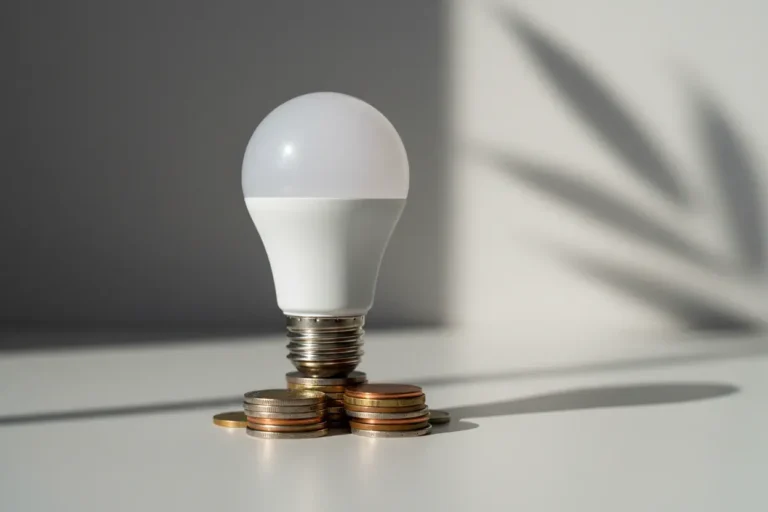
Sustainable living does not require a large budget or drastic lifestyle changes. This article compiles practical strategies from environmental and financial experts that cut costs while lowering carbon emissions. Readers will find twenty-five actionable habits spanning transportation, home energy, food, and consumer purchases that deliver immediate savings and measurable environmental benefits.
- Grow Food In Containers
- Charge Your EV At Off-Peak Rates
- Shift Appliance Use To Daylight Hours
- Switch To LEDs And Add Dimmers
- Seal Ducts With UL-181 Mastic
- Favor Task Light Over General Illumination
- Generate Power With Solar And Beat Bills
- Refinish Inventory Instead Of New Stock
- Plan Installs To Eliminate Extra Trips
- Reject Convenience Embrace Bulk And Reuse
- Buy Intentionally And Avoid Duplicate Purchases
- Revive Furniture Rather Than Replace It
- Schedule Off-Season HVAC Maintenance
- Take Trains Over Short Flights
- Visit Nearby Parks Carpool For Distance
- Repair Electronics And Delay Costly Upgrades
- Adopt Virtual Audits Cut Travel And Paper
- Follow A 10-20-30 Walk-Bike-Bus Rule
- Cool Rooms With Night Air And Shade
- Build A Lean Cohesive Wardrobe
- Choose Secondhand Gear To Slash Emissions
- Go Paperless For Faster Cheaper Closings
- Mend Apparel And Extend Wear
- Brew Coffee At Home Compost Grounds
- Pool Meals And Simplify Worship Operations
Grow Food In Containers
One sustainable habit that has saved me money is growing vegetables in containers instead of buying them.
I live in a short-season climate, so I like container gardening because it makes growing food feel a lot more realistic. You do not need a big backyard, raised beds, or a perfect garden setup. A few pots on a balcony, patio, deck, or sunny front step can still grow a useful amount of food.
The easiest wins are usually the things you buy often and use fresh: lettuce, spinach, herbs, cherry tomatoes, green onions, bush beans, peppers, and compact cucumbers. Herbs are a good example. A small basil or parsley plant can replace several $3 to $5 grocery-store herb packs over the season, and lettuce can be cut a little at a time instead of buying another plastic clamshell every week.
For a small container garden, I would estimate the savings at around $150 to $400 per growing season, depending on what you grow, how much space you have, and how expensive produce is in your area. It is not about replacing the entire grocery store. It is about growing the foods that give you the most value in the space you actually have.
It also reduces waste in a very practical way. You harvest what you need, when you need it, instead of buying too much and watching it wilt in the fridge. There is less plastic packaging, fewer grocery trips for small fresh items, and less reliance on produce that has been shipped long distances.
What I like most is that it is a sustainable habit that feels approachable. Even one pot of herbs or a container of salad greens can save money, reduce waste, and make you a little more connected to the season you are growing in.

Charge Your EV At Off-Peak Rates
The habit that has saved me most is charging my EV at home overnight on an off-peak tariff instead of topping up at public rapid chargers. It sounds obvious, but plenty of drivers buy an electric car and then keep charging like they are still filling up with petrol, paying rapid-charger prices on their daily commute.
I switched to a smart tariff that gives a cheap overnight rate and set the car to charge in that window automatically. Off-peak home electricity has been running at roughly a third the cost of a public rapid charge per unit, so for my mileage that is somewhere around 600 pounds a year I am no longer handing over. The carbon side improves too, because the overnight grid leans more on wind and the car is sitting on the drive doing nothing useful anyway.
The thing people miss is that the cable matters as much as the tariff. A decent home setup and the right charging cable mean you wake up to a full battery and never think about it, which is what makes the cheap habit stick. If charging is faffy, people drift back to the expensive convenient option.
My honest advice is to frame the public network as a backup for long trips, not your default. Get home charging sorted, let it run while you sleep, and the savings arrive every single month without you doing anything.

Shift Appliance Use To Daylight Hours
One habit I have adopted is running high-use appliances, such as the dishwasher, washing machine and pool pump, during the middle of the day when the solar system is generating the most electricity.
It sounds simple, but timing makes a real difference. Using solar power directly avoids buying as much electricity from the grid and is usually worth more than exporting that same energy at a lower feed-in tariff.
Based on our figures, this change has saved literally hundreds on energy bills, plus it also reduces the amount of grid electricity used, particularly during the evening peak.
The nice thing is that you do not always need new technology to lower your energy costs. Sometimes the quickest saving comes from changing when you use the appliances you already own.

Switch To LEDs And Add Dimmers
I’m Jake Woods, lighting and interior designer at Residence Supply in Coral Gables. The habit that made the most noticeable difference for me was switching to LED fixtures throughout my home and setting everything up on dimmer switches. It sounds straightforward, but the savings were more tangible than I expected.
I made the full switch about three years ago. At the time I was still running a mix of older incandescent and halogen bulbs in several rooms — mostly because I liked the quality of light they produced and was skeptical that LED could match it. Once the technology caught up to a point where I was satisfied with the color temperature and dimming performance, I made the change across the whole house.
My monthly electricity bill dropped by roughly $40 to $50. Over a full year that adds up to close to $500, and the bulbs themselves have not needed replacing since. The fixtures I use most — kitchen, living room, studio space at home — run several hours a day. The cumulative reduction in energy draw is significant even if you never think about it in those terms.
The dimmer switch piece matters more than people realize. Most people run lights at full output out of habit. Dropping to 70 or 80 percent in the evening costs nothing and extends bulb life considerably on top of the energy savings.
For me it also reinforced something I try to tell clients. Lighting is one of the easiest places in a home to make a meaningful efficiency improvement without changing anything about the way the space looks or functions. The return is real and it starts almost immediately.

Seal Ducts With UL-181 Mastic
As an HVAC professional running a heating and cooling company in Virginia for over 15 years, I see how much energy goes to waste. The most impactful sustainable habit I’ve adopted is sealing my home’s ductwork with UL-181 rated mastic sealant to stop conditioned air from escaping.
Leaky ducts create a vacuum that pulls dirty air in while letting expensive heated or cooled air bleed out into unconditioned spaces. Properly sealing these joint gaps reduces the strain on the blower motor and prevents the system from running longer than it needs to.
This one-time update saves me $40 a month on my energy bills and keeps my system running clean. Combining this with a regular twice-yearly maintenance routine keeps my energy usage low and prevents costly breakdowns.

Favor Task Light Over General Illumination
The habit that saved the most money was replacing the idea of all day lighting with task based lighting. Many homes are over lit by default, especially in kitchens, hallways and outdoor areas. I changed the routine so light was used exactly where activity was happening, for exactly as long as it was needed. That included shortening unnecessary evening lighting periods and reducing brightness in spaces that never needed full output.
The saving was about A$240 a year, which surprised most people because lighting feels small compared with heating or cooling. The carbon reduction added up because the change happened every single day.

Generate Power With Solar And Beat Bills
As the founder of Your Home Solar and a Navy veteran who values disciplined, efficient systems, the single most impactful habit I’ve adopted is generating my own household electricity through a residential solar energy system.
This shift drastically reduces my home’s reliance on fossil fuels, lowering our carbon footprint while generating clean energy with zero emissions. Financially, it shields us from unpredictable utility rate hikes by letting us control our own power generation.
By adopting this habit, we have completely eliminated our electric bill during the sunny months of the year. Over the long haul, saving on those monthly utility bills has kept thousands of dollars in our pocket.

Refinish Inventory Instead Of New Stock
One sustainable habit I’ve adopted that has saved money while reducing our carbon footprint is reusing and repurposing event rental inventory instead of replacing items too quickly. In event rentals, it is easy to assume every scratched table, scuffed bar, or worn lounge piece needs to be replaced, but we started building more repair, refinishing, and deep-cleaning time into our process before deciding something was done.
One example was a set of cocktail tables that came back from multiple events with visible wear. Instead of buying new ones, we had them refinished, tightened the hardware, and rotated them back into inventory for casual outdoor events. That one decision saved us roughly $1,500 to $2,000 compared to replacing the set, and it also kept bulky materials out of the waste stream.
My advice is to look at what your business already owns before buying something new. A small repair budget can often stretch equipment, furniture, or supplies much further than expected, and the environmental benefit adds up when those choices become part of your routine.

Plan Installs To Eliminate Extra Trips
A habit we have is to plan installs in a more efficient way to avoid having to visit the same site again. Digital surveys, photographs and exact one-time measurements help drive down unnecessary van journeys, significantly reduce waste and make the installation more efficient. This has achieved us an approximate saving of between £150–£300 per installation, as well as reducing our overall fuel consumption and lowering our carbon emissions footprint.

Reject Convenience Embrace Bulk And Reuse
In my three decades of legal practice, I’ve seen that the most expensive habit in America isn’t just high interest rates—it’s convenience-driven waste. The most impactful sustainable habit I’ve adopted is the “Strategic Bulk-and-Bottle” approach, specifically eliminating single-use plastics and pre-packaged “grab-and-go” convenience items from my life.
From a financial perspective, we often pay a 300% to 1,000% “convenience tax” on things like bottled water, pre-cut produce, and individual detergent pods. By switching to high-quality reusable filtration, bulk-buying concentrated cleaners, and adopting a “cook-once-eat-twice” meal strategy, I’ve slashed my monthly grocery and household overhead by roughly $150 to $200. That is a “settlement” of over $2,000 a year back into my pocket.
The environmental verdict is just as compelling. By removing the need for roughly 500 plastic bottles and hundreds of plastic films annually, I’ve significantly reduced the “evidence” of my carbon footprint. In the law, we talk about “stewardship,” and that applies to your balance sheet as much as the planet. Every time you refuse a plastic-heavy convenience, you are essentially “vetoing” a wasteful corporate supply chain.
This habit taught me that “living green” isn’t a luxury for the wealthy—it’s actually a rigorous defense strategy for the budget-conscious. It forces you to be intentional rather than impulsive. In my world, we call that a “favorable judgment.” I’m saving the planet one less trash bag at a time, and the bank is paying me for the privilege. It turns out that sustainability is the ultimate “win-win” for your wallet and the world. If you want to build wealth, stop paying companies to wrap your basic needs in expensive, permanent trash.

Buy Intentionally And Avoid Duplicate Purchases
One habit that’s saved me both money and reduced waste is being more intentional about what I bring into my home. As a professional organizer, I see all the time how much money people spend on duplicate items, impulse purchases, and things they don’t end up using.
Before buying something, I take a minute to ask myself if I actually need it, where it’s going to live, and whether I already own something that serves the same purpose.
I’d estimate it’s saved me at least a few hundred dollars a year, if not more. It also means fewer items being manufactured, shipped, packaged, and eventually thrown away. Sometimes the most sustainable thing you can do is simply buy less stuff in the first place.

Revive Furniture Rather Than Replace It
This will sound strange coming from someone in the design world, since the whole industry runs on convincing people to redo their homes every few years. The habit that has saved me the most money is buying less and repairing more. I trained as an architect, and at some point I started treating my own furniture the way I’d tell a client to treat a good building: maintain it, adapt it, don’t tear it down because you’re bored of it. I’ve had the same sofa for nine years. It’s been reupholstered twice for maybe eight thousand rupees against the forty a new one would have cost. Do that across a whole house and it genuinely adds up, and nothing new had to be manufactured or shipped to make it happen.

Schedule Off-Season HVAC Maintenance
After 40 years in HVAC, the single habit that changed everything for me was scheduling preventive maintenance in the *off-season* instead of waiting for a breakdown. Spring tune-up before summer, fall check before winter. That’s it.
When a system runs dirty or low on refrigerant, it works harder and longer to hit your target temperature. That extra runtime shows up directly on your energy bill every single month. Catching a clogged coil or a loose electrical connection in April costs a fraction of what an emergency breakdown costs in July.
The carbon footprint piece is real too. An inefficient system burning extra fuel or electricity to compensate for neglected components is waste you’re literally paying for. A properly maintained system runs cleaner and shorter cycles, which means less energy consumed over the whole season.
I’ve seen homeowners extend their system’s lifespan by years just by doing this consistently. A system that should’ve died at 12 years hitting 18 or 20 is money you never had to spend on a replacement, and equipment that never had to be manufactured.

Take Trains Over Short Flights
I stopped treating short flights like they were automatically the best option. A few years ago, I started taking the train for trips that were under four or five hours away, even when flying looked faster on paper. What surprised me was how much money quietly disappears during “cheap” flights — airport parking, rideshares, baggage fees, overpriced meals because you’re stuck in a terminal for half a day.
The train ticket itself is sometimes comparable, sometimes cheaper, but the bigger savings came from eliminating all the extra friction around flying. I probably save a few hundred dollars per trip now when everything’s added up realistically, not just the base ticket price.
The other thing I didn’t expect is that it changed the way I work. On planes, I’m half-online and distracted the entire time. On trains, I can actually think. Some of my clearest strategy sessions with myself have happened staring out a window somewhere between cities without Wi-Fi constantly pulling at me.
I originally framed it as a sustainability decision, but it ended up becoming more of a quality-of-life habit that also happens to reduce my footprint. Those are usually the habits that stick.

Visit Nearby Parks Carpool For Distance
We’ve found that the simplest changes often yield the biggest rewards for your wallet and the planet. At Doggie Park Near Me, where we track over 6,300 dog parks across all 50 states, we frequently research green pet ownership for Auggie’s Blog. The single best sustainable habit we adopted was mapping out our closest neighborhood parks to eliminate unnecessary driving.
Instead of routinely driving twenty minutes to a premium park, we committed to walking to the local spots right in our backyard. We used our own directory search filters to find parks with fencing and water access within walking distance. By keeping our car parked for these daily outings, we cut out about eighty miles of driving per week. This simple shift saved us roughly seventy-five dollars a month on gas and vehicle wear, while preventing dozens of pounds of carbon emissions from entering the atmosphere.
To build trust with our audience, we always research these green habits ourselves before sharing advice. We also started organizing neighborhood park carpools for the times we do want to visit larger regional parks further away. This coordinate-and-share model has helped our community cut down on single-occupancy car trips. Whether you are walking to a local park or sharing a ride with fellow dog owners, you’re making a measurable dent in your carbon footprint. It shows that going green doesn’t require a massive lifestyle overhaul. Sometimes, it just takes looking at a map and choosing the green space right down the street. It is a win for your budget, your dog’s health, and the environment.

Repair Electronics And Delay Costly Upgrades
One sustainable habit I’ve adopted is delaying upgrades and repairing or optimizing products I already own, especially small electronics and home office gear. The clearest example is keeping a laptop and monitor setup in service longer by replacing inexpensive accessories, upgrading storage when needed, and doing basic maintenance instead of buying new. In practical terms, that habit has saved me roughly $800 to $1,500 over a couple of years, depending on what a full replacement cycle would have cost, while also avoiding the footprint that comes with manufacturing and shipping new devices.
I like this habit because it works on both the money side and the sustainability side. A lot of people focus on energy savings, which matter, but extending the life of a product is often the bigger win financially. If you can get even one or two more years out of a laptop, vacuum, coffee maker, or other everyday item with a modest repair or part replacement, the savings can be substantial. It also reduces packaging waste and keeps functional products out of the landfill.
From a consumer research perspective, the mistake people make is comparing a repair cost only to the monthly payment or sale price of a replacement. The better comparison is total remaining value. If a $60 battery, filter, belt, or replacement part gives you another year or two of useful life, that is usually a strong return. I’ve found that setting a simple rule helps: if a repair costs less than about 20% to 25% of replacement and restores reliable performance, I repair first.
For anyone trying to build one sustainable money-saving habit, I’d start there. Buy slightly better the first time, maintain what you own, and treat replacement as the last step rather than the default step.

Adopt Virtual Audits Cut Travel And Paper
We made a conscious decision at Scale By SEO to transition our entire client intake and diagnostic phase to a fully virtual model. Previously, meeting face-to-face with regional businesses in Texas meant hours on the road. By moving all initial consultations and our Full Site Audits to a 100% digital presentation format, we immediately cut out unnecessary travel.
This shift saved our agency roughly $800 a month in fuel and vehicle maintenance, not to mention the reduction in paper waste from printing multi-page reports. More importantly, it dramatically reduced our carbon footprint by keeping our team off the road.
When we explain this tradeoff to our clients, they appreciate the efficiency. Our clients, ranging from local plumbing services to healthcare providers, want fast results, not long meetings. By prioritizing virtual communication, we build trust through speed and transparency. We deliver our findings digitally, walk them through our performance metrics, and keep the focus on improving their search engine rankings without wasting time or fuel.
This digital-first habit proves that operational sustainability and financial savings go hand in hand. You don’t need massive overhauls to make an impact. By auditing your daily travel and paper usage, you can easily identify quick wins that protect your bottom line and the environment. We’ve seen that efficiency in business operations directly translates to efficiency in digital marketing results. It helps local brands scale their discovery online while keeping their own overhead low. Embracing virtual tools is a simple step that yields immediate rewards for your budget and the planet.
Follow A 10-20-30 Walk-Bike-Bus Rule
I have implemented the rule I call “10-20-30”. It means that if something is within the 10 minute walking distance, I walk there, if it’s within 20 minutes by bike or public transport, I use my bicycle (and if it rains, the bus), and if something is more than 30 minutes away by public transport, only then I consider going there by car.
It’s a very simple rule, that helped me save money, reduce the carbon footprint and helped me get in the shape. From my observations, I’m spending slightly more on the public transport, approximately $45 more per quarter, but at the same time, I visit the petrol station much more rarely, saving me around $150 of gas per quarter.
So this method not only keeps my bank account in better shape, it keeps me in better shape, as I’m walking and cycling much more often, and then it also reduces the carbon footprint. I recommend it to everyone living in a city, where places are accessible for pedestrians and cyclists. However, if you live in the outskirts, this may be a bit more tricky.
You can also adapt the 10-20-30 rule to your needs, maybe you can stretch it to 15-30-45, or maybe you can come up with something even better. Feel free to experiment with it, and give it a try.

Cool Rooms With Night Air And Shade
Since the heatwaves started getting worse in the UK, I have adopted a pretty simple habit to keep the flat cool without buying air conditioning. During the day I keep the blinds and windows shut, especially on the sides catching direct sun, and it does not get hot inside. Then at night I open all windows and blinds to let the fresh air come in. It helps to cool the flat around 5 degrees, which is quite good. I only bought a cheap fan with paper in it, and when you put in water it helps a lot to make the flat cool. And then during the night I open all the blinds and windows so that flat is fresh during the night and even next day!
In terms of saving, a mid-level portable air conditioner would probably cost me around £300 to £350 to buy, and the electricity adds up as well. Even if I only turn it on during the warm nights in summer, let’s say from June to September, it would probably cost around £100 to £150, and heavy daily use would push it closer to £160. The fan I bought was around £30 and does not cost me much to run. So each year I am saving roughly £100 to £150 on electricity alone, and once I count the unit I never had to buy, that comes to somewhere around £800 to £1,100 over five years and probably more with the increase of costs and I only estimated.

Build A Lean Cohesive Wardrobe
I adopted intentional dressing, deliberately buying fewer, higher-quality pieces that all coordinate so each item gets worn regularly. This habit reduces waste because garments are worn many more times instead of languishing unused. In the first year I cut my clothing spend by roughly 30 to 50 percent, which equated to about £360 to £600 saved based on typical UK household spending. Beyond the money saved, the approach lowers my wardrobe’s carbon impact while making daily dressing simpler and more stylish.

Choose Secondhand Gear To Slash Emissions
Operating sustainably can relate to a variety of initiatives. Not all of them have to be huge gestures.
At Doctify, where possible we buy equipment second hand; this includes monitors, desks, chairs and the office coffee machine. Each year the savings are modest, perhaps a few hundred pounds, but the idea of buying second hand is very much engrained into the team, and when it continues over years or decades, the savings do add up.
The environmental impact of buying second hand may also seem small, but actually it negates a significant amount of carbon production. For devices like laptops and monitors, manufacturing rather than everyday use accounts for a significant amount of the carbon footprint, around 50% (Dell, 2024). So buying second hand isn’t only cheaper; it avoids a large chunk of a device’s emissions that occur during the manufacturing process, equivalent to 75-160 kg of CO2 emissions per device (Dell, 2024).
https://www.delltechnologies.com/asset/en-us/products/electronics-and-accessories/technical-support/p2425h-monitor-pcf-report.pdf

Go Paperless For Faster Cheaper Closings
At Santa Cruz Properties, the most sustainable habit we’ve leaned into is going paperless across our entire owner-financing and loan servicing process. We handle a lot of land transactions in South Texas, from residential lots in Edinburg to acreage tracts across Hidalgo, Cameron, and Starr counties, and every one of those used to mean stacks of printed contracts, amortization schedules, and monthly statements. Moving that workflow to digital documents and electronic statements cut our paper, ink, and postage costs dramatically, and it shrank the carbon footprint tied to printing and mailing thousands of pages a year.
The savings showed up in two places. First, the obvious one: less paper, fewer toner cartridges, and a smaller monthly mailing bill. But the bigger win was time. When a family is buying land through us, speed matters, because part of what makes our owner financing work is a fast closing without bank approval delays. Digital paperwork means we’re not waiting on the mail or burning fuel driving documents around. That efficiency saves us money and keeps the buyer’s experience smooth.
Here’s how I’d frame it for anyone weighing the switch: think about your highest-volume, most repetitive paper process and start there. For us, monthly loan servicing statements were the obvious target because they repeat for years on every account. Knock out the recurring stuff first and the savings compound.
I’d also say be honest with customers about the change. Some of our buyers prefer a physical statement, so we kept that option and built trust by letting people choose. You don’t have to force the green habit on everyone to come out ahead; even a partial shift moves the needle on cost and footprint at the same time. Start small, measure what you save on supplies and postage, and reinvest that into serving people better.

Mend Apparel And Extend Wear
One habit that turned out to be both sustainable and financially smart was extending the life of clothing and shoes through repair, careful cleaning, and selective tailoring instead of replacing items at the first sign of wear. That approach reduces textile waste, avoids the environmental cost of frequent manufacturing, and usually results in a better fit than buying a quick replacement.
I save roughly $900 a year by repairing quality basics rather than cycling through new purchases. The broader value is perspective. Maintenance is often treated as old-fashioned, but it is one of the clearest ways to respect resources while keeping long-term costs under control.

Brew Coffee At Home Compost Grounds
At Equipoise Coffee, the single most impactful habit we’ve adopted is brewing intentionally at home instead of running through a drive-thru every morning. It sounds simple, but the math is staggering. The average daily coffee-shop habit can run five or six dollars a cup, while a bag of freshly roasted, single-origin beans brewed at home brings your per-cup cost down to mere cents. That difference adds up to hundreds of dollars a year back in your pocket, and far fewer disposable cups, lids, and sleeves headed to the landfill.
This ties directly to our whole philosophy of balance. We tell customers all the time: buy small-batch and buy fresh, but buy only what you’ll actually use. One of the biggest sources of waste in coffee is staleness: people over-purchase, the beans lose their character, and the whole bag gets tossed. When you buy in right-sized quantities and store properly, you waste nothing. Less waste means less money spent and a smaller footprint, all at once.
The other habit worth mentioning is reusing your coffee grounds. Spent grounds make excellent garden compost and a natural fertilizer, so what would’ve been trash becomes free soil amendment. It’s a small loop, but it closes nicely.
What I love about this is that sustainability and quality aren’t in tension here; they reinforce each other. A mindful morning ritual, with beans roasted to bring out smoothness rather than bitterness, naturally encourages you to slow down, savor a single great cup, and skip the wasteful grab-and-go cycle. That’s the heart of the “Equipoise” idea: balance in the cup, and balance in how you consume.
My honest advice to anyone reading? Switch to home brewing with quality beans, compost your grounds, and buy in amounts you’ll actually finish. You’ll spend less, waste less, and, bonus, drink better coffee than the chain ever gave you.

Pool Meals And Simplify Worship Operations
We’ve found that the best way to save money and reduce our carbon footprint is by embracing shared community resources and simplicity. At North 7th Street Church of Christ, we gather at 2205 N. 7th St. in Harlingen, Texas. One highly sustainable habit we’ve adopted is organizing monthly fellowship potluck meals on the first Sunday of the month. Instead of dozens of families driving to different restaurants or cooking separate large meals at home, we pool our food and resources right at the building. This single habit saves our families hundreds of dollars collectively each month in dining out and energy costs, while drastically reducing food waste and fuel consumption in the Rio Grande Valley.
When resources are tight, we prioritize communal efforts that maximize what we already have. We explain the tradeoffs to our members by showing how collective stewardship lets us direct our budget toward Bible-based teaching and local outreach rather than high utility bills or disposable goods.
Our family-integrated approach also plays a huge role. By worshipping together as one multi-generational family instead of separating into different rooms, we don’t need to heat, cool, or light multiple areas of our building simultaneously during services.
Another key habit is our commitment to a cappella congregational singing. By worshipping without instruments, we eliminate the need for massive sound systems, amplifiers, and complex electronic setups during our Sunday and Wednesday worship services. We’ve saved thousands of dollars in electrical costs and equipment maintenance over the years. This choice keeps our focus on praising God in spirit and truth while keeping our energy usage remarkably low. By making these conscious decisions, we prove that returning to New Testament simplicity is both spiritually fulfilling and highly sustainable.