
Americans throw away nearly 40% of the food they buy, contributing significantly to household carbon emissions. This guide compiles practical strategies from sustainability researchers and professional organizers to help cut waste in your kitchen. These eighteen straightforward techniques require minimal effort but deliver measurable reductions in both trash and environmental impact.
- Compost All via Frozen Stash
- Freeze Early Rather Than Later
- Track Meals and Match Purchases
- Remake Extras into Quick Bowls
- Cook What You Have First
- Create a Priority Shelf
- Save Trimmings and Simmer Real Stock
- Choose Staggered Produce for Balanced Weeks
- Map Dinners and Weigh Raw
- Schedule Sunday Prep and Buy Short Term
- Turn Dog-Safe Scraps into Treats
- Grow Windowsill Herbs and Harvest as Needed
- Decode Labels Before You Toss
- Pack Single Portions Right After Dinner
- Add Dates to Leftover Containers
- Place Fridge QR to Shared List
- Tidy Pantry to Reveal Supplies
- Store Fruits and Veggies by Ripeness
Compost All via Frozen Stash
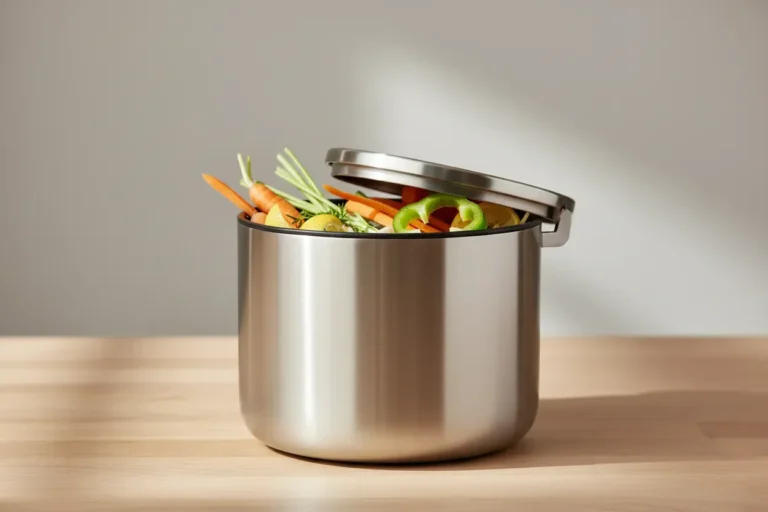
In my own kitchen, I compost every scrap. As a personal chef, I compost the trimmings from every client meal I cook because the food waste rotting in a landfill is what releases methane, while compost feeds the soil that grows our food in the first place. The easiest way to start, and the trick that got me over the “composting is gross” hump, is to keep a bag or container of scraps in your freezer. Frozen scraps don’t smell or attract fruit flies. There are also compost bins with charcoal embedded into the lid to prevent smells. You just toss in your peels, ends, and coffee grounds as you cook, and drop the bag at a local compost site once it’s full. If you’re lucky and live in an environmentally-conscious neighborhood like mine, there are free compost pickup services directly from your house! Definitely check online to see if your area qualifies.

Freeze Early Rather Than Later
Most food waste happens not because people forget to buy groceries, but because they miss the 24-48 hour window when food is still good but about to turn. My rule: if something won’t be used today or tomorrow, it goes in the freezer now — not later.
Overripe fruit, leftover cooked grains, fresh herbs, even bread — almost everything freezes well. I keep a small “freeze today” habit: every evening, a quick scan of the fridge takes 60 seconds. Anything borderline gets frozen immediately.
It requires zero special equipment, costs nothing, and in my experience cuts household food waste by nearly half.
Honestly, I used to be terrible at this. I’d buy fresh coriander, use a handful for one dish, and watch the rest slowly turn yellow in the fridge. Classic.
What changed for me was one small habit shift — I stopped waiting until something was bad and started acting when it was almost bad. Now the moment I know I won’t use something in the next day or two, it goes straight into the freezer. Herbs get chopped and frozen in little portions. Leftover rice, dal, even that half-used can of coconut milk — all frozen before I forget about them.
Takes maybe 60 seconds. But it genuinely cut down how much I was throwing away every week.

Track Meals and Match Purchases
I’m the founder of Comi AI, a mobile app that identifies Latin American meals from a photo and computes calories and macros. Food waste doesn’t start at the trash. It starts at the store, three days before. Most people buy on intention and eat on habit. Those two lists never match.
The fix is knowing what you actually ate over the past two weeks, not what you planned to eat. Log meals consistently and the pattern shows up fast. The same core foods appear every week. The aspirational buys, the bunch of cilantro used twice, the extra protein bought for one dinner, don’t appear in the log at all. That gap is your waste. It compounds across every grocery trip.
Here’s the tip. Log what you eat for two weeks with a tool fast enough that you’ll actually do it. Then look at what never made it to the plate. Buy less of those things next trip. Waste is a planning problem. The compost bin is just where the evidence ends up.
Remake Extras into Quick Bowls
One easy way to reduce food waste at home is to turn leftovers into new meals, such as rice bowls or wraps. Chop your cooked protein and mix it with a starch like rice or potatoes and some veggies, then add greens or beans for bulk. I batch cook building blocks—a large batch of protein, a starch, and a couple vegetables—so leftovers become mix-and-match meals for two to three days. This habit is cheap, fast, keeps you from ordering takeout, and reduces food waste, which in turn helps lower your carbon footprint.

Cook What You Have First
The single most impactful food waste habit I’ve adopted is weekly “use it up” meal planning. Every Sunday evening, before I do any grocery shopping, I open the fridge and pantry and take a five-minute inventory of what’s about to turn. Then I plan at least two meals that week specifically around those ingredients.
The practical magic is the ordering. Most people plan meals first and then shop, which means you always have fresh ingredients and the older ones keep getting passed over. Inverting that — planning around what you already have, then shopping to fill gaps — changes the whole dynamic. An aging bunch of spinach becomes the centerpiece of a frittata or smoothies rather than something that quietly dies in the crisper.
I’ve tracked this informally over about a year: my household food waste dropped by roughly 60-70% compared to when we just shopped and cooked intuitively. The financial savings were meaningful — probably $80-100 per month in food we previously threw away. And from a carbon perspective, reducing food waste is one of the highest-leverage individual actions available, since food decomposing in landfills is a significant source of methane.
The tip is embarrassingly simple to adopt: just look at what you have before you plan what to cook.

Create a Priority Shelf
My favorite low-effort move is the “eat me first” shelf. Put the food that’s closest to turning bad in one obvious spot in the fridge, ideally at eye level, so it stops disappearing into the cold little graveyard behind the oat milk.
It sounds almost stupidly simple, but that’s why it works. Most food waste at home isn’t some grand moral failure. It’s bad visibility. You forget the spinach, buy more spinach, then discover the original spinach has become swamp confetti.
The easy tip: once or twice a week, do a 90-second fridge scan and move anything aging fast into one zone. Then build your next meal around that. A slightly sad zucchini becomes pasta. Leftover herbs become sauce. Half a lemon becomes dressing. You don’t need to become a zero-waste monk. You just need to make the food that’s about to go bad impossible to ignore.

Save Trimmings and Simmer Real Stock
Onion skins, carrot tops, celery ends, herb stems. Household scraps that almost everyone automatically throws away are the basis for genuinely good stock that you’d otherwise be paying for.
The habit is having a bag in the freezer, where said scraps go instead of the bin. Once it’s full, dump it into a pan, cover with water, simmer for an hour, strain and freeze the stock in portions. No extra shopping, nothing extra to remember, and you’ve made something from what you were previously disposing of as waste.
The mental trick that helps this stick is to reclassify those scraps before they go in the bin. Onion skin in the bin is waste. Onion skin in the freezer bag is an ingredient. Same action but different destination. Completely different result when you look in the cupboard a few months later.
The trick is also really low effort to begin with as it doesn’t actually add any extra steps when you’re cooking; it just requires a different place for your waste to go. After the habit is built it becomes automatic and you end up with a stock of scraps you can turn into something you would otherwise buy.

Choose Staggered Produce for Balanced Weeks
The one habit that has had the biggest impact at home is buying produce in a staggered lifespan mix. Instead of choosing only ingredients that peak at the same time, the basket should combine quick use items like berries or spinach with slower items like cabbage, carrots, or oranges. That creates a natural sequence for the week and lowers the chance of everything aging out at once.
I favor this method because it reduces waste upstream, before storage techniques even matter. Many kitchens lose food when the entire fresh supply becomes urgent on the same two days. A balanced perishability mix spreads usage pressure across the week, makes meal planning calmer, and keeps households from scrambling to rescue too much produce too late.

Map Dinners and Weigh Raw
My favorite way to reduce food waste at home is simple: planning my meals in advance.
When I plan what I’m going to eat ahead of time, I naturally cook only what I need. It reduces food waste, lowers my carbon footprint, and also helps me stay consistent with my diet and health goals.
One thing that makes a big difference for me is measuring food in its raw form instead of after cooking. When I measure raw ingredients, I can plan portions more accurately. If I measure after cooking, there’s always a chance I end up cooking extra, and that often leads to waste.
So yeah, planning ahead + tracking raw portions has basically been the simplest fix for me.

Schedule Sunday Prep and Buy Short Term
A well-organized routine to prepare my daily meals, has been the most productive way that I have cut down on food waste at home. The best practice for me is to take one hour out each Sunday afternoon to chop and put all of the raw vegetables into glass, airtight containers so they are visible. When the new vegetables are cleaned and ready to eat they will be much more likely to be eaten when time is short during the week.
For anyone who wants to start small, the simplest trick is to buy only as much produce as needed for just three days at a time instead of doing a huge bi-weekly grocery run. Shopping less often with a focus on only those items that fit your needs greatly decreases the risk of an item spoiling in the back of your fridge.
With this type of organization, it creates an efficient, clean home kitchen environment that produces less total waste, while creating consistency in having healthy options available with very little effort.

Turn Dog-Safe Scraps into Treats
Sharing dog-safe kitchen scraps is the absolute best way to cut down on food waste at home while keeping your four-legged best friend thrilled. Most people don’t realize how much edible food ends up in the trash simply because it is a vegetable end, a slightly bruised blueberry, or a leftover plain chicken breast. By repurposing these scraps into healthy dog treats, you slash your household food waste and lower your carbon footprint in one easy step.
My top tip is to start a designated dog-safe scrap container in your freezer.
Whenever you prep meals, toss dog-friendly leftovers into the container. Safe options include carrot tops, cucumber slices, green beans, and skinless sweet potatoes. Just make sure to avoid onions, garlic, grapes, or seasoned foods. Once the container is full, you can blend the ingredients with a little water or low-sodium broth, pour the mixture into ice cube trays, and freeze them. You get free, nutritious frozen treats that your dog will love after a long run at the park, and you keep organic waste out of landfills. It’s a simple habit that makes a massive difference for the planet and your budget.
By taking a few extra seconds to sort your kitchen prep, you turn potential waste into pure joy for your pet.

Grow Windowsill Herbs and Harvest as Needed
Fresh herbs are likely the most casually discarded grocery item in most homes. Having a windowsill herb garden fixes that problem completely.
Whenever you buy fresh basil, cilantro, parsley from the grocery store, you find yourself using a little bit at the time, leaving the rest to wilt over the course of the week. Recipes seldom call for the amounts conveniently packaged in those plastic bins. That unused leftover sitting in your fridge is entirely waste on a weekly basis.
Replacing that with just a few pots on your windowsill means you only take what you need from the plant when you need it. You don’t waste anything because you never cut more than you require. The plant continues to grow while your waste is eliminated and your herbs taste fresher than whatever was buried in plastic at the store.
It takes very little initial investment and almost no work to maintain. If you’re someone who buys fresh herbs and routinely tosses most of them unused, it’s likely the highest payoff lazy adjustment you can make to your kitchen.

Decode Labels Before You Toss
Most of our food waste at home resulted from misunderstanding date labels. Knowing the difference between best-before and use-by dates prevents tossing perfectly good food unnecessarily.
Use-by dates indicate safety. Food may be unsafe to eat after that date. Best-before dates are about quality – when the producer believes the food is at its best, not when it becomes unsafe. Yogurt, dried goods, canned items, and most packaged foods with best-before dates are usually safe to eat days or weeks after that date if you sniff and inspect them first.
We threw out food with best-before dates as if they were use-by dates. Once we started recording how much waste was from use-by vs best-before dates, the trend spoke for itself.
The hack is taking two minutes to learn which date is on your would-be trash. No behaviour change other than that knowledge and you’ll immediately trash less edible food each week.

Pack Single Portions Right After Dinner
A highly adoptable tip is portioning leftovers into single meal containers immediately after dinner instead of storing one large dish. Large containers often create visual fatigue because people assume there is more time to eat the food than there really is. Smaller portions feel ready to grab, which makes leftovers more likely to become lunch or a quick dinner rather than being forgotten.
I have seen this work because convenience often decides what gets eaten. When the next meal is already packed and visible, good intentions turn into action. That simple change reduces waste while lowering the environmental cost of replacing discarded food.

Add Dates to Leftover Containers
I find date labeling at home is the simplest habit with the biggest payoff. Many households waste food because memory fails long before quality does. A small strip of tape on containers removes uncertainty around leftovers and produce. Once timing becomes visible, food gets eaten while still enjoyable and safe.
Label cooked food with the prep date and produce with purchase date. Keep the system basic, readable, and consistent across everyone sharing the kitchen. That structure improves meal choices because older items naturally get priority first. Better timing reduces spoilage, trims spending, and lowers emissions tied to replacement food.

Place Fridge QR to Shared List
My favorite tip to slash food waste at home is placing a dynamic QR code right on the refrigerator door that links to a shared, live digital shopping list. It is a simple, tech-forward trick that stops double-buying before it starts. By scanning the code before you head to the store, anyone in the house can instantly see what you already have and what you actually need.
We’ve learned that clear communication is the ultimate waste reducer, whether you’re managing a household budget or running a digital marketing campaign. When resources are tight, you can’t afford to waste time or money on duplicate efforts.
If you want to take this further, you can generate a free QR code that links to a sheet of quick recipes for leftovers. It makes the habit fun and easy to maintain.
We’ve found that if a system requires more than two steps, people won’t use it. Scanning a code on the fridge takes one second, but it saves pounds of food from the landfill. It’s a high-impact, low-effort habit that immediately shrinks your carbon footprint while keeping your kitchen organized and your grocery bill low.

Tidy Pantry to Reveal Supplies
One of my favorite ways to reduce food waste is by keeping the pantry organized. When you can see everything you have, you’re less likely to buy duplicates or let food expire in the back of the shelf. Less food waste means fewer resources are wasted producing and transporting that food, and ultimately less ends up in landfills. Sometimes, simply getting organized can make a surprisingly positive impact on both your home and the environment.

Store Fruits and Veggies by Ripeness
A simple but overlooked tip is to store fruit and vegetables according to how quickly they ripen, rather than wherever there is space. Bananas, avocados, tomatoes, and apples can speed up ripening nearby produce, while leafy greens and herbs need airflow and moisture control to last. Better storage extends usable life without changing what anyone buys.
I appreciate this approach because it respects the biology of food instead of relying on good intentions alone. Small storage decisions shape waste more than most people realise. When produce stays fresh for even two extra days, meals become easier to assemble and fewer ingredients end up discarded.