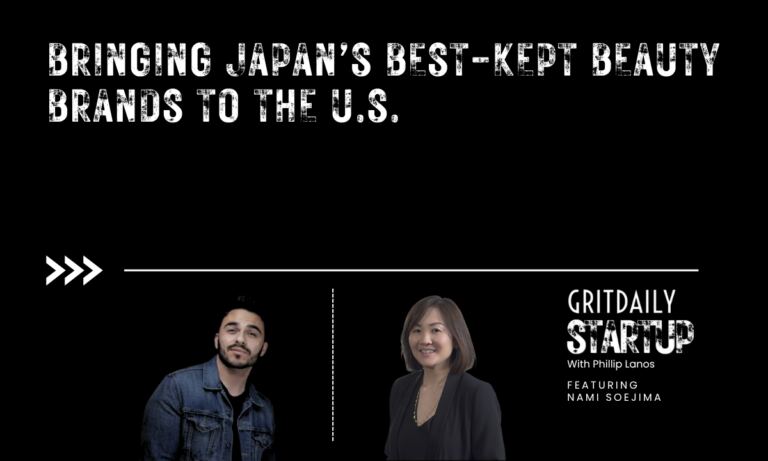
For years, Nami Soejima handled one of her beauty problems the way many Japanese consumers living abroad do. When she returned to Japan, she bought the skincare and cosmetics she liked, packed them into a suitcase, and carried them back to New York.
The inconvenience became harder to ignore as Japanese tourism increased and social media filled with videos of American travelers doing essentially the same thing. Some arrived in Japan with nearly empty luggage and returned with Japanese mascaras, skincare, hair products, and other drugstore finds that were difficult to purchase at home. Soejima and her friend Chiaki began asking why consumers had to travel across the Pacific to buy products that were already household names in Japan.
That question became Rei Cosmetics, an e-commerce business focused on making established Japanese beauty products easier to buy in the United States.
Building Around Products That Already Had a Following
Soejima did not begin by developing new formulations or trying to persuade shoppers to trust an unfamiliar beauty label. Many of the products Rei Cosmetics carries have already been used in Japan for years, and some of the manufacturers behind them have histories stretching back generations.
The harder problem was distribution. American consumers could sometimes order directly from Japanese retailers, but the process often involved expensive international shipping, longer delivery times, and uncertainty around customs charges. Rei Cosmetics instead decided to import inventory into the United States and fulfill orders domestically.
That structure became especially useful after the company launched in 2024 and tariff uncertainty began affecting cross-border commerce. The timing initially looked unfortunate to Soejima, but the company had already reduced one of the biggest frustrations for customers by bringing the products into the country before individual orders were placed.
Her previous career also helped remove some of the usual startup friction. Soejima had spent more than 20 years in digital marketing, including agency work with beauty and personal care companies, so building an e-commerce presence and thinking through customer acquisition were familiar tasks. The first Shopify site was simple enough that she involved her teenage son in building it.
The greater challenge was getting Japanese brands to participate.
Why Expansion Can Be a Hard Sell in Japan
Soejima has found that many established Japanese companies do not share the American assumption that every successful business should immediately chase a larger market.
Some brands already have loyal domestic customers, stable operations, and little urgency to take on the regulatory, logistical, and marketing complications of entering the United States. Rei Cosmetics therefore spends considerable time explaining why American consumers are interested in the products and helping manufacturers understand what U.S. expansion would actually require.
That work depends less on an aggressive sales pitch than on patience. Soejima grew up in Japan and later worked in Tokyo, which gave her a practical understanding of a business culture where trust may need to develop before serious discussions about volume, pricing, or expansion can move forward.
The same patience shapes how Rei Cosmetics introduces products to American buyers. The company uses its own site along with channels such as Amazon, TikTok Shop, Instagram, and influencer partnerships. Some of the strongest early interest came without much outbound outreach because micro-influencers who already knew Japanese beauty products began contacting the company and asking to try them.
Once those products reached users, performance became part of the marketing. Soejima points to waterproof mascara and eyeliner as examples. Japanese consumers may already know certain products for holding up under water and humidity, while an American shopper encountering the brand for the first time has to discover that quality through use.
Expanding the Definition of J-Beauty
Rei Cosmetics is now looking beyond makeup and skincare toward Japanese supplements and the broader “beauty from within” category. Collagen products and vitamins are among the areas Soejima sees as natural extensions of what American consumers are already seeking from Japanese beauty.
She is also beginning to teach other small businesses some of what she learned while building the company. Her experience with TikTok Shop in particular involved enough trial and error that she now sees value in helping other founders avoid the same execution mistakes.
That may become an important part of Rei Cosmetics’ broader role. The company began because Soejima was tired of carrying beauty products home in a suitcase. As it grows, the work has become less about simply importing cosmetics and more about helping two markets understand each other well enough for trusted products to move between them.
Want more Grit Daily Startup Show? Take a look at past articles, head over to YouTube, or listen on Apple Podcasts or Spotify.