
Cornell faculty members are preparing a no-confidence vote on university leadership as scrutiny grows over the administration’s handling of a sexual assault report controversy. The proposed resolution says the faculty senate has no confidence in central administrators’ ability to address the ongoing crisis.
The faculty senate issued notice of the impending vote late Monday. The measure would not remove any administrator, but faculty members say it would express formal disapproval of the university’s response.
A Vote With Political Weight
Government professor Richard Bensel, a faculty senate member, said the resolution would not cause an administrator to leave office if passed. He described it as potent because of the disapproval it would convey, according to The New York Times.
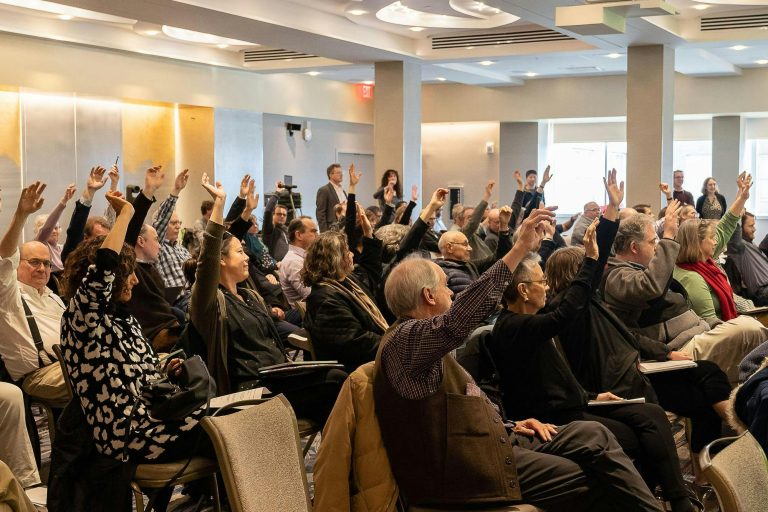
Associate music professor Ariana Kim, another senate member, told the newspaper that the vote would serve as a clear repudiation. The proposed resolution focuses on the central administration’s ability to address sexual assault at Cornell.
The move follows protests on campus. Thousands of students and faculty gathered in the center of campus Monday, then marched to a main administrative building to demonstrate against President Michael Kotlikoff and central leadership.
Kotlikoff called the situation a “defining moment in Cornell’s history” in a video statement released Saturday. He also expressed support for an independent investigation into the allegations.
University Review and Criminal Investigation
The controversy centers on a lawsuit filed by a former student identified as Jane Doe. The filing alleges that seven members of the Chi Phi fraternity drugged and raped her over several hours at a house party on October 19, 2024. The accused men have denied wrongdoing, and none face criminal charges to date.
The Tompkins County district attorney reviewed a complaint in 2024 and chose not to press charges. District Attorney Matthew Van Houten later announced plans to reopen the case and defended his original decision, saying the woman’s initial account did not indicate forcible assault, drugging, or incapacitation beyond giving consent.
Last week, Gov. Kathy Hochul designated State Attorney General Letitia James as special prosecutor for a fresh criminal investigation. Hochul’s executive order removed Van Houten from the case, citing a loss of faith in the initial investigation by campus police and local prosecutors. The attorney general’s office will direct the probe and present evidence to a grand jury if necessary.
Hochul said newly released information continued to raise serious questions. She said the intervention would ensure the matter was handled without conflict or bias. Thomas Giuffra, an attorney for the alleged victim, welcomed the decision and told NewsNation that he and his client had “zero confidence” in the local district attorney.
Cornell has also retained former U.S. Deputy Attorney General Sally Yates as outside counsel to conduct an independent review of the university’s handling of the allegations. The lawsuit remains active, and The Independent said it had contacted Cornell for comment.
Leadership Under Scrutiny
The faculty vote would add a formal expression of campus disapproval while the university review and criminal investigation proceed. Its stated scope is the central administration’s handling of the crisis; the resolution itself cannot remove university officials.
Other Grit Daily coverage has examined how organizations approach leadership and institutional support, including leadership beyond founders, support for women business owners, and changing leadership demands.
The faculty senate’s planned vote is the next stated step in its challenge to university leadership. Separately, the attorney general’s office will direct the criminal probe and may present evidence to a grand jury.