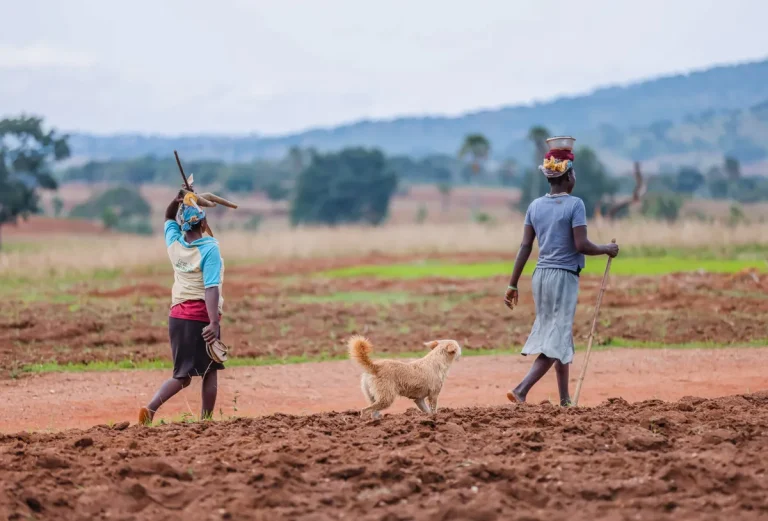
Rural women in Zimbabwe are increasingly leading efforts to build climate resilience and drive economic transformation, according to a report by the United Nations Development Programme (UNDP) Zimbabwe. Marking the 2026 International Day of Rural Women, the UNDP highlighted how its Climate Resilient Livelihoods project is empowering these women through access to technology, financial services, and leadership roles.
The project, implemented across 15 districts in Manicaland, Masvingo, and Matabeleland South provinces, has reached over 2.8 million people, with 53% being women. These women are not only benefiting from improved livelihoods but are also taking on crucial decision-making positions. The initiative is supported by the Government of Zimbabwe and the Green Climate Fund (GCF).
Women Take the Helm in Irrigation Governance
Women are now playing a more significant role in the governance of irrigation schemes. Their representation on Irrigation Management Committees has risen from under 20% at the project’s start to approximately 49%. Women are serving as chairpersons, secretaries, and treasurers, and are leading the management of Operations and Maintenance Funds in four of the 13 developed irrigation schemes. This increased participation ensures women have a voice in decisions regarding water access and agricultural resource management.
Innovations Lighten Agricultural Workloads
The introduction of labor-saving technologies has drastically reduced the time and physical effort rural women dedicate to agricultural tasks. Innovations such as earth augers, multi-crop threshers, and grinder-choppers have led to a reported 76% overall reduction in women’s workload. For example, preparing planting basins now takes 6.3 hours, down from 39.4 hours, and cereal threshing time has decreased from 58.2 hours to 5.2 hours. This newfound time allows women to engage more in income-generating activities, childcare, and other household priorities.
Village Savings and Lending Foster Financial Independence
Financial inclusion is a key component of the project, with 463 Village Savings and Lending (VSL) groups established, comprising 5,981 farmers, 77.7% of whom are women. By December 2025, these groups had collectively saved US$329,374. These funds are being reinvested in livestock, agricultural inputs, and children’s education, thereby enhancing women’s financial resilience and encouraging entrepreneurship. This approach mirrors initiatives aimed at guiding women entrepreneurs on capital strategy, as seen in other programs.
Expanding Access to Climate Information
Through 230 Farmer Field Schools, the project has educated 82,434 farmers, including 53,392 women. Additionally, 282 female extension officers have received training in areas like climate-smart agriculture and gender mainstreaming. Nearly 200,000 women have received tailored weather and climate advisories, and over 58,000 farmers are using Participatory Integrated Climate Services for Agriculture (PICSA) approaches to plan their farming seasons. This information is disseminated via radio, SMS, WhatsApp, and community meetings.
Dr. Ayodele Odusola, UNDP Zimbabwe Resident Representative, stated, “Rural women are not only among those most affected by climate change; they are also central to the solutions. When women have access to productive technologies, finance, climate information and decision-making opportunities, entire communities benefit.” He emphasized that investing in women’s leadership and economic empowerment is crucial for climate resilience and sustainable development.