
Most of us know the feeling. You’re scrolling through Instagram or TikTok, and a travel video stops you cold. Someone’s eating pasta on a rooftop in Rome, or diving into clear water off some Greek island you’ve never heard of. You think, I want to do exactly that. And then you screenshot it, close the app, and never do anything with it.
That gap between “I want to go there” and actually booking the trip is where most travel inspiration goes to die. Tabs multiply. Itineraries get lost in Notes apps. The moment passes.
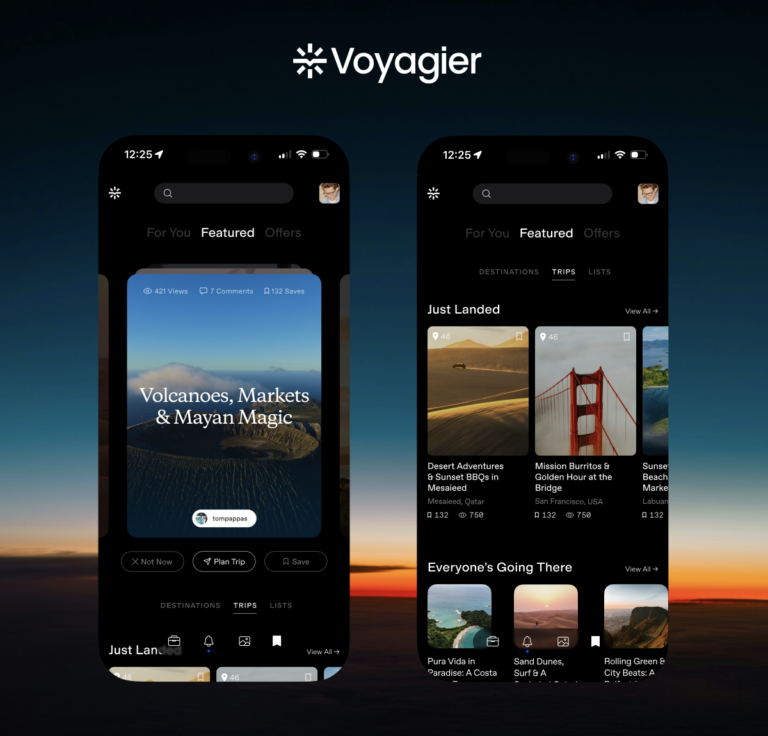
Voyagier, a travel platform preparing for launch, is betting it can fix that. The company is building what it describes as a bridge between social discovery and executable itineraries, using AI, verified trip data, and a network of luxury travel advisors to take someone from scrolling to fully booked.
The Problem With How Travel Currently Works
According to Voyagier’s CEO Daniel Gardener, who came from a background of building and scaling tech companies, the travel market has a trust problem layered on top of a logistics problem.
“As avid travelers ourselves, my co-founder and I felt that many people are eager to travel and see the world but are often stopped short by the anxiety and the complexity of logistics,” said Gardener.
Social platforms have become the primary discovery channel for travel. People find destinations through Reels, TikToks, Substack posts, and group chats. But those platforms were built to keep you scrolling, not to help you actually go anywhere. The result is a familiar cycle: scroll, screenshot, search, rebuild, then maybe book.
“People are more likely to take action on a destination once it feels socially validated and endorsed, meaning someone credible has been there, set expectations, and made it feel doable,” the founder said.
Traditional booking tools don’t solve that. They handle transactions, not inspiration. And inspiration platforms don’t handle transactions. Voyagier is trying to be the place where both happen.
How It Actually Works
The platform has three core components working together. The first is Trip Sync, a feature that pulls a user’s travel history from their email confirmations, calendars, photos, and restaurant reservations and converts it into structured trip data. That data builds a traveler profile and, with the user’s permission, becomes a shareable itinerary that others can discover and book.
The second is VIA, short for Voyagier Intelligent Agent, which is the booking engine connecting those itineraries to live inventory. “VIA is connected to the supply layer, GDS, and modern travel operator APIs, to programmatically match real inventory, pricing, and availability to assemble all components of a trip, from flights to lodging, dining, and experiences,” Gardener explained. When someone finds a trip they love and want to adapt, VIA can adjust for different dates, budgets, or preferences and book it.
The third layer is human. For more complex trips, a team of luxury travel advisors steps in to handle what automation can’t, blending speed with the kind of creative judgment that makes a trip feel personal rather than generated.
Rewarding the People Who Actually Share
One of Voyagier’s more interesting moves is its Navigator Program, which lets frequent travelers and creators earn commission when someone books through their shared itinerary. Every trip published on Voyagier becomes a bookable product tied back to the person who originally took it.
“Travel Creators drive demand, but they don’t own the transaction, so most of their value is realized in perks, not real income,” Gardener noted. “Voyagier allows Creators to take their content and turn it into commission.”
This matters in a moment when creator fatigue around sponsored content is real. Voyagier’s pitch to travelers is that their credibility comes from actually going somewhere, not from a brand deal. The verification layer means trips on the platform are backed by real reservations and real spend, not aesthetically curated photos that may or may not reflect reality.
Why Now
The founders point to a broader shift in how people are using AI, moving from tools that advise to tools that act. “Agentic AI is the next wave of AI innovation, as AI moves from being an advisor to being an assistant,” said Gardener.
Travel is one of the cleaner use cases for that shift. The friction is real, the stakes are high enough that people want help, and the transaction value makes the economics work. If Voyagier gets it right, the camera roll you’ve been building for years might turn out to be worth more than you thought.