The modern convenience store occupies a somewhat unusual position in American retail. It is expected to be quick but personal, familiar but constantly changing, and increasingly capable of delivering the same level of convenience that customers experience from national chains and mobile apps.
Consumers who order coffee through their phones, check out using self-service lanes, and customize meals through touchscreens throughout the day often carry those expectations with them when they stop at a neighborhood deli, bodega, or corner market. The challenge for independent retailers is not simply keeping pace with larger competitors but adapting to changing habits while preserving the local character that makes these businesses valuable in the first place.
Few places illustrate that balance better than the neighborhood convenience store. In many communities, the local deli or bodega serves as far more than a place to buy groceries or order lunch. These businesses operate as gathering places, morning routines, and neighborhood institutions. Customers know the employees, store owners know regulars by name, and much of the experience depends upon familiarity.
At the same time, expectations surrounding convenience have changed considerably. Customers increasingly value speed, customization, digital payments, and shorter wait times. They want the flexibility to browse menus at their own pace, adjust orders, and complete transactions quickly, particularly during busy parts of the day.
This evolution has helped create growing interest in self-ordering technology among independent retailers.
While kiosks first became widely associated with restaurant chains, airports, and large retailers, smaller operators are beginning to adopt similar tools. While they maintain the personal interaction that makes local businesses, the technology offers a way to reduce friction during busy periods while allowing employees to spend more time helping customers and preparing food.
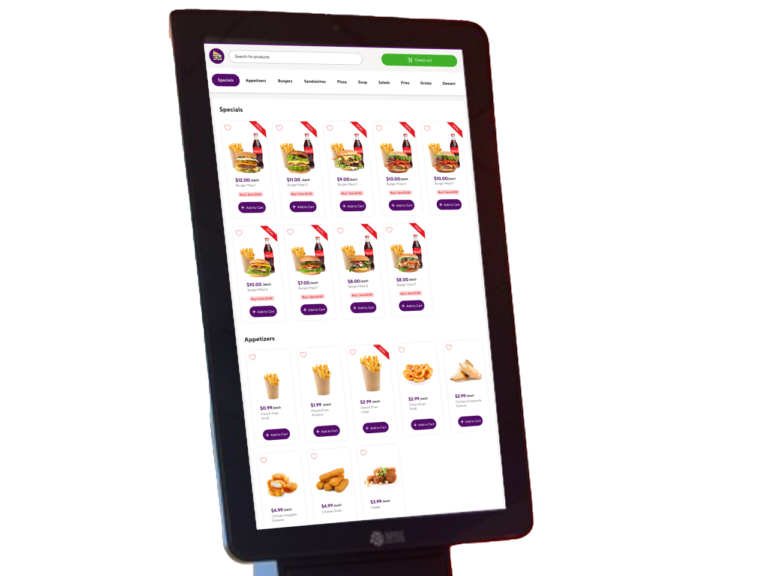
National Retail Solutions (NRS), a Newark, New Jersey-based retail technology company that serves independent retailers across the country, recently introduced a self-ordering kiosk designed specifically for convenience stores, delis, and quick-service operators.

“Bodegas and neighborhood grocers are the lifeblood of the communities we serve,” said Elie Y. Katz, founder and CEO of Newark-based NRS. “Our new self-ordering kiosk technology brings modern automation to delis, convenience stores, and quick-service operators while allowing owners to focus on serving their customers.”
People expect ordering to happen on their terms, without feeling rushed, and touchscreen ordering offers that. It also provides a level of privacy and control that some customers prefer, particularly when making complicated orders or requesting modifications.
For retailers, these systems can improve order accuracy and reduce bottlenecks during busy periods, reducing the potential for mistakes and allowing employees to focus on preparation rather than order entry.
Perhaps more importantly, technology is becoming part of the neighborhood store rather than replacing it.
Independent retailers have long succeeded because of relationships and proximity. The local deli understands what its customers want and adapts quickly. They also often serve as an informal gathering place within the community. Self-ordering systems do not change those qualities, but they do ensure the business operates more efficiently while preserving the personal interactions that customers still value.
The neighborhood store has never been a static business. Menus change, customer demographics evolve, and shopping habits shift over time. The current wave of digital tools is simply another stage in that evolution.
Customers still visit the same corner deli every morning or stop by the same market on the way home from work, but the experience surrounding those visits changes. Ordering becomes faster, paying easier, and technology quietly removes some of the friction that slows customers and employees.
The businesses themselves remain local, but expectations surrounding convenience have become universal. Independent retailers that successfully combine both are the ones that will be positioned well for the years ahead.