Wellness is often presented as something universally accessible. Breathe deeply, practice mindfulness, move your body, and cultivate gratitude. But what happens when the very practices considered foundational to well-being aren’t accessible to everyone?
For Jay Eckardt, this isn’t a theoretical question. It’s a reality that shaped her professional journey and ultimately inspired her to challenge the assumptions behind conventional wellness practices.
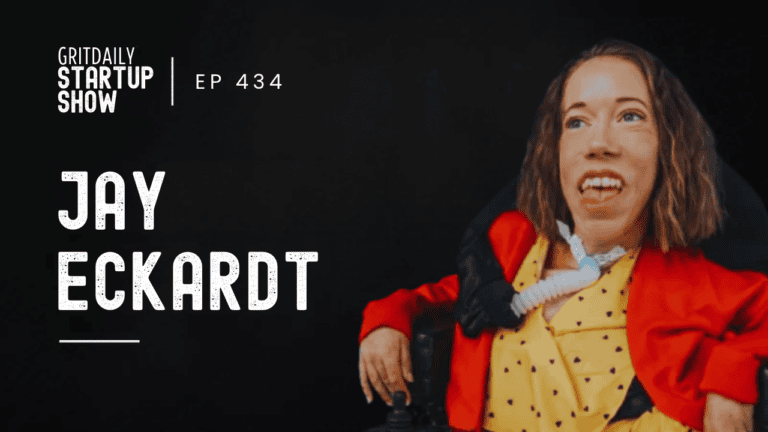
In a conversation with Phillip Lanos on Startup Show, Eckardt, a wellness coach, writer, and disability advocate, discussed how her personal experiences led her to build a more inclusive approach to wellness through her business, Problematic Pineapple LLC.
When Conventional Wellness Doesn’t Work for Everyone
Eckardt spent more than a decade working as a freelance writer and editor before deciding to pursue a more community-focused career following the pandemic. In 2020, she began training in life and health coaching, hoping to support people through their individual healing journeys.
But she quickly encountered an unexpected obstacle.
Living with congenital muscular dystrophy, using a wheelchair, and relying on a ventilator to breathe, Eckardt discovered that many of the mindfulness exercises taught during her training were inaccessible to her. Breathwork, often treated as a fundamental component of mindfulness, was particularly challenging because she cannot voluntarily control her breathing.
The experience brought discomfort, anxiety, and even imposter syndrome. She questioned whether she belonged in the profession if she couldn’t participate in the exercises that were supposedly universal.
Rather than accepting those limitations as inevitable, she began building her own approach around accessibility.
Making Inclusion Part of the Practice
Eckardt’s advocacy extends well beyond her professional career. Growing up within the muscular dystrophy community, she benefited from the services and programs of the Muscular Dystrophy Association. Her parents encouraged her to give back, leading to years of fundraising, public appearances, and advocacy.
That experience continues to influence her work today.
She believes the wellness industry has an accessibility problem that is often rooted in assumptions rather than intentional exclusion. Professionals naturally build their practices around their education and personal experiences. However, problems emerge when those experiences become the standard everyone is expected to follow.
Her recommendation is straightforward: get curious about the assumptions built into your approach.
Wellness professionals don’t need to abandon effective exercises or desired outcomes. They need to recognize that there may be different ways to reach those outcomes, depending on an individual’s abilities and circumstances.
Finding Alternatives Beyond Breathwork
In her own practice, Eckardt has developed a toolbox of approaches that don’t depend on specific breathing patterns or physical movements.
Mental noting, for example, encourages people to recognize and name their thoughts and emotions without immediately judging, correcting, or reacting to them.
She also discusses sound therapy as another potential entry point into mindfulness, particularly for people who find other forms of intentional engagement difficult.
Her approach to gratitude is equally important. Eckardt challenges the simplistic advice that people should simply look on the bright side or appreciate what they have. For individuals living with chronic illness or complex disabilities, those comments can dismiss legitimate experiences of pain, grief, frustration, and fear.
Instead, she advocates making room for difficult emotions before exploring the positive aspects of any situation.
Recognizing someone’s challenges doesn’t prevent them from experiencing gratitude. It creates space for a more honest and compassionate approach to it.
Wellness Shouldn’t Be About Fixing People
One of the most important ideas in the conversation is Eckardt’s challenge to the conventional notion that wellness is about fixing something that’s wrong with an individual.
She highlights the relationship between physical and mental health while questioning the expectation that people with disabilities or chronic illnesses should always be pursuing a cure or trying to correct their circumstances.
People may want support, personal growth, greater peace of mind, or new ways to navigate everyday life. That doesn’t mean they need to be fixed.
This philosophy also influenced her decision to move away from one-on-one coaching toward creating accessible resources that people can use independently and according to their own needs.
Her book, No Breath Work, No Bullshit, offers five practical tools designed without requirements for specific breathing techniques or intentional physical movement.
A More Inclusive Definition of Well-Being
Eckardt’s message extends beyond wellness professionals. Entrepreneurs, business owners, and organizations in every industry can benefit from questioning the assumptions built into their services and experiences.
As she explains, greater accessibility doesn’t just remove barriers for individuals. It creates opportunities for more people to participate in what organizations offer.
Her challenge is simple: examine your assumptions without judgment or shame, and consider what could change to make your work more accessible.
Because wellness shouldn’t require everyone to experience the world in the same way. And meaningful inclusion begins when we recognize that they don’t.
Want more Grit Daily Startup Show? Take a look at past articles, head over to YouTube, or listen on Apple Podcasts or Spotify.