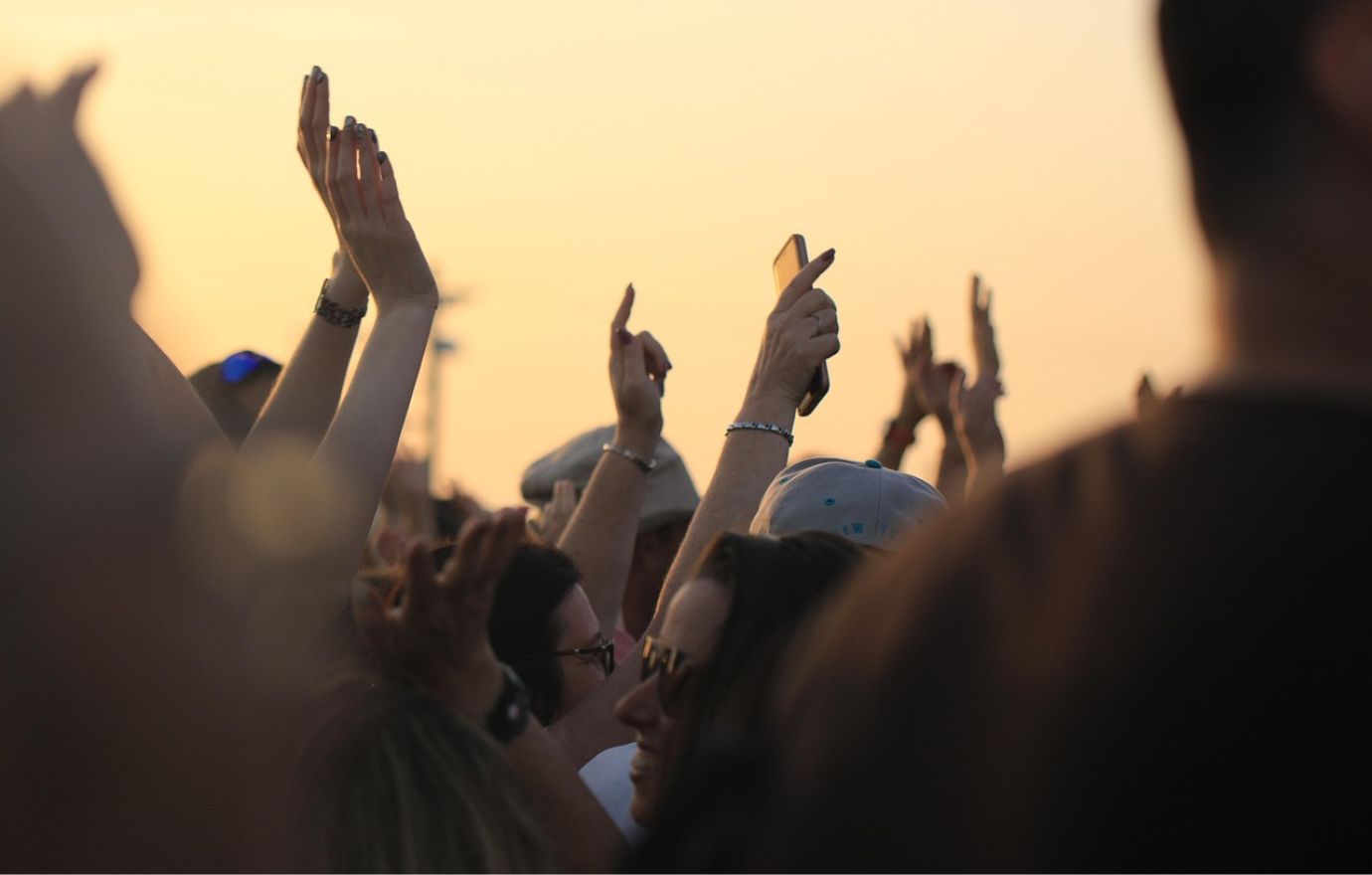
Gen Z grew up on the internet. Now they’re choosing to spend less time on it. Across cities, a shift is already underway, and it’s visible in how young consumers are spending their time and attention.
Instead of scrolling fitness content, they’re joining run clubs. Instead of engaging with brands purely online, they’re showing up to pop-ups, supper clubs, and creative meetups. Group chats are turning into in-person gatherings, and digital spaces are no longer the destination but the starting point.
This isn’t a rejection of technology, and it’s not a temporary phase. It’s a recalibration of how connection is experienced in a world that has been overwhelmingly digital for more than a decade. For brands, it signals something bigger: the old playbook is losing its edge.
From Digital Natives to Real-World Seekers
- Image Credit: dcdx
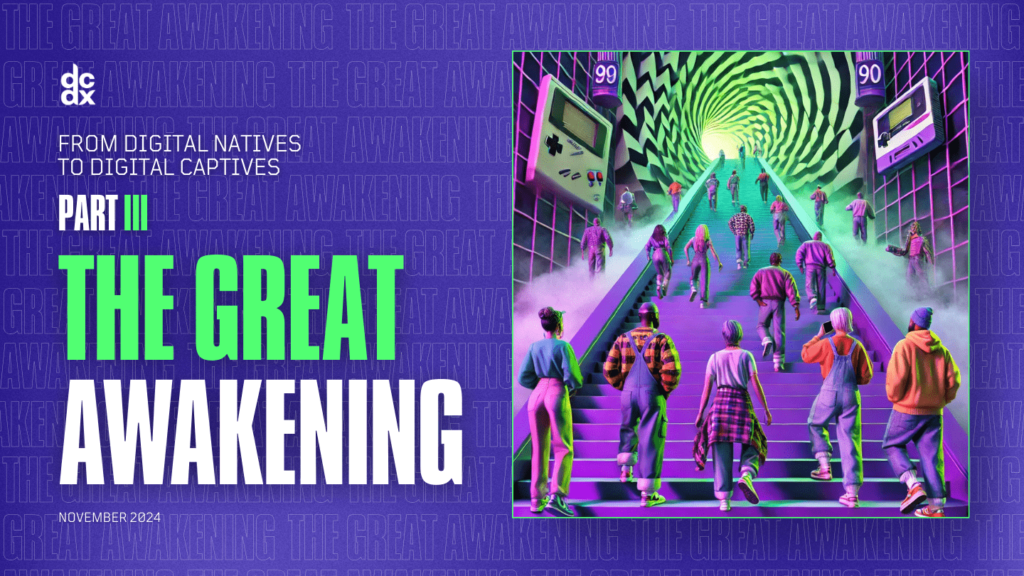
This shift didn’t happen overnight, and for some companies, it was visible well before it became obvious. dcdx, a research-driven marketing company focused on Gen Z, has been studying these behavioral changes through a series of deep consumer insights.
In 2024, dcdx released a three-part study titled From Digital Natives to Digital Captives. The series explored how constant connectivity has shaped Gen Z’s identity, their growing desire to unplug, and what the company described as a broader “awakening” toward more intentional living.
One of the clearest takeaways from that research is that digital saturation has a ceiling. As neuroscience and behavioral science continue to reinforce the importance of real-world interaction for memory, attention, and emotional well-being, Gen Z is responding in kind. They are not abandoning digital tools, but they are actively rebalancing their lives around more tangible forms of connection.
From Followers to Participation
This behavioral shift is already reshaping how influence works. For years, visibility defined relevance, and success was measured in followers, impressions, and engagement rates. Today, participation is emerging as a new form of social currency.
Being part of a run club, attending a local event, or contributing to a community experience carries its own form of status. It reflects presence, not just visibility, and signals a deeper level of engagement. For Gen Z, showing up in real life is becoming just as important as showing up online.
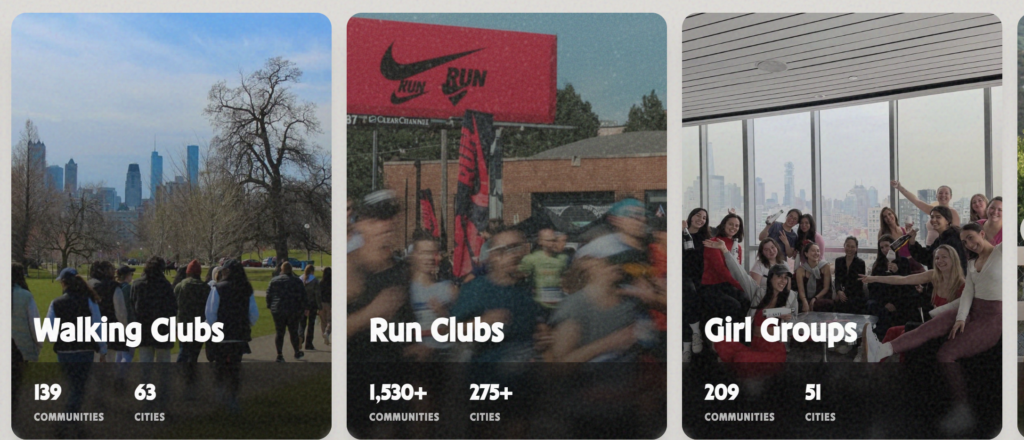
dcdx recognized this shift early and moved to build around it. The company launched Offline, a platform designed to help brands tap into real-world communities and experiences in a structured way. Positioned as a new ad network for an offline age, Offline connects brands with IRL environments where culture is actively happening.
These environments range widely, from book clubs and run clubs to dance communities. Instead of competing for attention in saturated digital feeds, brands can integrate into spaces where their audiences are already engaged. The model is all about participation.
Why Brands Have an Opportunity, Not a Problem

- Image Credit: dcdx
It’s easy to frame this shift as a challenge, especially for brands that have spent years optimizing digital channels. Customer acquisition costs have risen, performance marketing has become more competitive, and influencer strategies are facing saturation. Many of the traditional levers are delivering diminishing returns.
But this moment is better understood as an opportunity. A new channel is emerging that is less crowded, more intentional, and often more impactful than digital alone. That channel is offline.
The barrier is now accessibility and structure in order to reach these offline communities and events. Real-world communities are fragmented, localized, and difficult to navigate without the right tools or insights.
Building Infrastructure for Real-World Engagement
For offline to become a true growth channel, it needs infrastructure. This is where platforms like Offline begin to play a critical role. By organizing and surfacing real-world opportunities, they make it easier for brands to participate in this emerging landscape.
Offline helps brands identify communities and events that align with their audience, reducing the guesswork that has historically limited IRL marketing. It turns what was once fragmented into something more navigable and repeatable. This allows brands to engage more consistently and more strategically.
Importantly, this does not replace digital marketing. Instead, it strengthens it by connecting online discovery with offline experience. The two channels become complementary rather than competitive.
The New Playbook: Presence Over Reach
As consumer behavior evolves, the metrics that define success are evolving with it. Reach and impressions still matter, but they are no longer the primary drivers of meaningful engagement. Presence is becoming the differentiator.
Showing up in the right place, at the right time, with the right audience creates a level of connection that digital channels often struggle to achieve. These experiences are not just seen; they are felt and remembered. They build familiarity and trust in ways that static content cannot.
Offline engagement does not scale in the same way as digital advertising, but it compounds differently. It spreads through word of mouth, repeat interactions, and community reinforcement. Over time, this creates a more durable form of brand equity.
The Connection Economy Is Already Here
What is emerging is a broader shift in how value is created in marketing. The last decade was defined by reach, followed by a focus on relevance through targeting and data. Now, the emphasis is moving toward relationships.
The connection economy prioritizes depth over scale and interaction over exposure. It rewards brands that participate in culture rather than simply broadcasting to it. This is a meaningful shift in both mindset and execution.
Offline experiences are central to this model because they create real human connection. These are the moments that build loyalty, not just awareness, and they are becoming increasingly important to younger consumers.
The Future of Marketing Is Hybrid
Digital will continue to play a critical role in how brands operate. It drives discovery, coordination, and amplification in ways that are essential to modern marketing. However, it is no longer sufficient on its own.
Real-world experiences are becoming the layer where connection deepens, and relationships are built. The most effective strategies will integrate both, using digital to bring people in and offline environments to create lasting impact. This hybrid approach reflects how consumers are actually living and interacting.
Gen Z is not abandoning the internet. They are redefining their role in their lives and placing greater value on what happens beyond the screen. The brands that recognize this shift early will be better positioned to stay relevant.
The next generation of growth will not be driven by who dominates the feed. It will be driven by who shows up in real life and creates meaningful connections where it matters most.