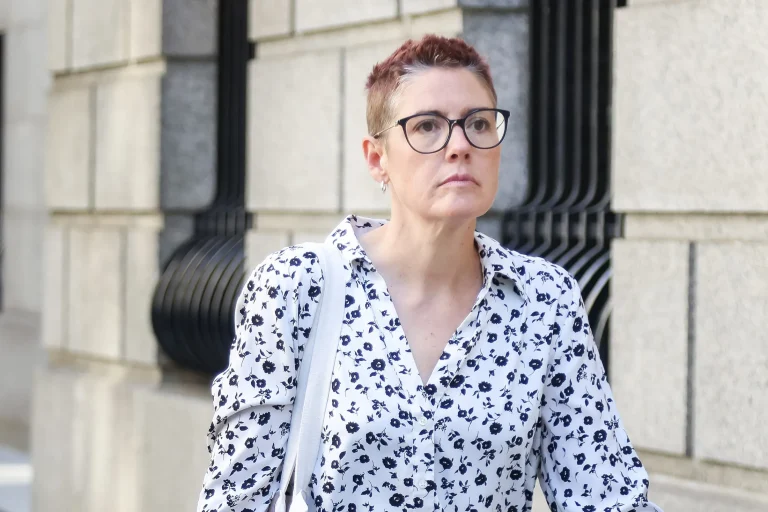
CaaStle’s board allowed chief executive Christine Hunsicker to remain in charge for three months after discovering investor fraud, a report said. The New York Post described lawsuits alleging directors failed to alert investors after a $283 million scheme was exposed.
Hunsicker co-founded the fashion rental company and pleaded guilty to securities fraud in March, according to The Post. CaaStle had raised more than $600 million and reached a $1.25 billion valuation at its peak in 2018.
CEO Kept Job After Board Learned Of Fraud
The Post’s report cited New York Times coverage and lawsuits over the board’s response. Historically, the board had only three directors, including Hunsicker.
The company disclosed in the spring of 2025 that Hunsicker had grossly overstated its financial earnings. According to her plea deal, she began sharing fraudulent financial documents with investors in 2019.
An audit obtained by the Times showed CaaStle reported net revenues of nearly $440 million to some investors for fiscal year 2023. The actual figure was $15.7 million, according to the report.
In December 2024, Hunsicker admitted fraud during a video call with Scott Callon and Jaswinder Pal Singh, a lawsuit alleged. The suit was filed by bankruptcy trustee George Miller.
According to the suit, Hunsicker refused to step down unless Singh took her place at the company. Callon told the Times he could not remove her unilaterally and confirmed complying with that demand.
Singh Disputed Criticism Of The Board’s Response
The lawsuits focused largely on Singh, another co-founder and a longtime Princeton University computer science professor. Around October 2024, he sold $6 million in CaaStle shares back to the company, the report said.
The Times and Miller’s lawsuit described that transaction as occurring when investors began questioning the finances. A source close to the company told The Post the buyback was planned and completed before investors raised questions.
The suit alleged Singh helped keep the fraud from investors and allowed Hunsicker to remain chief executive. Singh has not been criminally charged, and the report said there was no evidence he knew about her fraudulent scheme.
His spokesperson said Singh returned to the board to stabilize CaaStle, contributed uncompensated work and provided capital for employees. The spokesperson said directors acted with legal advice and responsibly exercised business judgment.
Questions Also Concerned Hennessy’s Board Status
The report said someone managing Henry Kravis’ investment raised concerns with John Hennessy in 2024. Hennessy, Alphabet’s board chairman, had been identified as a CaaStle director.
According to Miller’s lawsuit, Hennessy then said he was no longer a director and had resigned three years earlier. His spokesperson denied wrongdoing or condoning misconduct and described Hennessy as a victim.
That absence left Callon as the only voting board member besides Hunsicker, the report said. Callon did not immediately respond to The Post’s request for comment.
Related Grit Daily coverage includes the Joonko securities fraud plea, the Kalder founder charges, and the Oakes Farms fraud allegations. Those articles concern separate cases.
CaaStle faced several lawsuits alleging board failures after the fraud became known. A Hunsicker representative did not immediately respond to The Post’s request for comment.