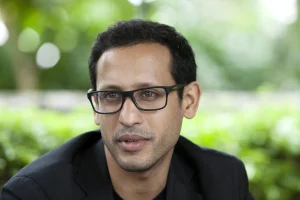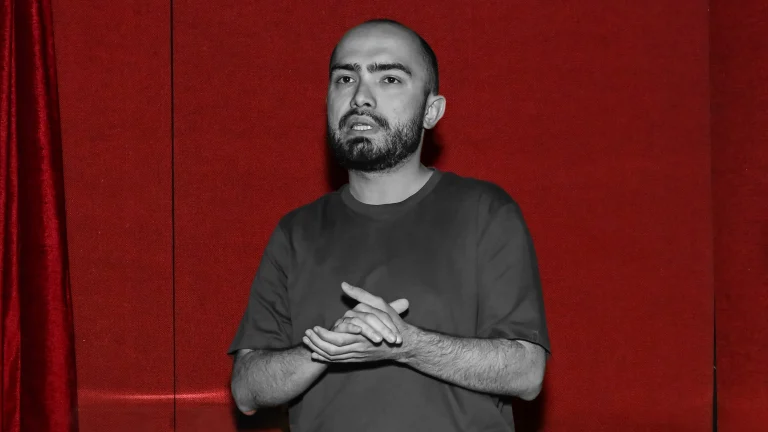
Kazakh startup Higgsfield AI faced criticism in early 2026 over subscription practices and allegedly racist and sexist promotional content. Co-founder Alexander Mashrabov acknowledged operational shortcomings as complaints mounted, according to The Times Of Central Asia.
Users said promised unlimited access became difficult to use after payment. The company blamed service disruptions on bot attacks and said it had refunded approximately $1.35 million to legitimate users.
Kazakh Startup Higgsfield Faced Subscription Complaints
The Times Of Central Asia reported the controversy after the company’s rapid expansion. In October 2025, Higgsfield joined the ranks of companies valued at more than $1 billion.
By early 2026, the platform had surpassed 15 million users, and annual revenue approached $200 million. Approximately 85% of users were marketers creating advertising videos, the report said.
The project targeted international customers from the outset, with headquarters registered in San Francisco. Kazakh engineers contributed significantly to development, and the startup participated in the Astana Hub program.
Customers complained about subscriptions and refunds shortly after the company achieved its valuation milestone. Promotional campaigns included Black Friday discounts of up to 65%, reducing the monthly price to $25.
Customers were promised unlimited access to advanced models, according to the report. Many later described sharply slower video generation after paying for the service.
Those accounts said the application became difficult to use without buying additional credits. Higgsfield attributed disruptions to bot attacks and said it blocked tens of thousands of fake accounts.
Other complaints concerned cancellation procedures, with users alleging payments processed instantly while cancellation was difficult or technically inaccessible. The company reinstated certain accounts and issued refunds under pressure.
Promotional Videos Drew Further Criticism
In early 2026, reports alleged Higgsfield’s marketing team distributed ready-made promotional materials to content creators. Some videos allegedly inserted racist and sexually explicit language into well-known cartoon characters’ voices.
Critics also alleged unauthorized deepfake content featuring Sydney Sweeney, Zendaya, Donald Trump and Elon Musk. Some material was described as sexualized, while observers criticized imagery they considered degrading toward women.
Some commentators compared the approach to rage marketing, which uses deliberate provocation to attract attention. Critics argued that international distribution could also affect perceptions of Kazakhstan’s technology sector abroad.
For related coverage of startup business controversies, Grit Daily examined Phia’s affiliate practices. Separate reporting covers allegations involving Kalder’s fundraising and charges against a 777 Partners co-founder.
Co-Founder Acknowledged Internal Failures
Mashrabov said on social media that rapid scaling created real challenges and failures in internal processes. His statement acknowledged that communications and procedures had not consistently matched the company’s values.
He said the company had made mistakes, accepted responsibility and was actively correcting its course. The report said allegations about subscriptions, deepfakes and discriminatory content may complicate relationships with partners, regulators and investors.