
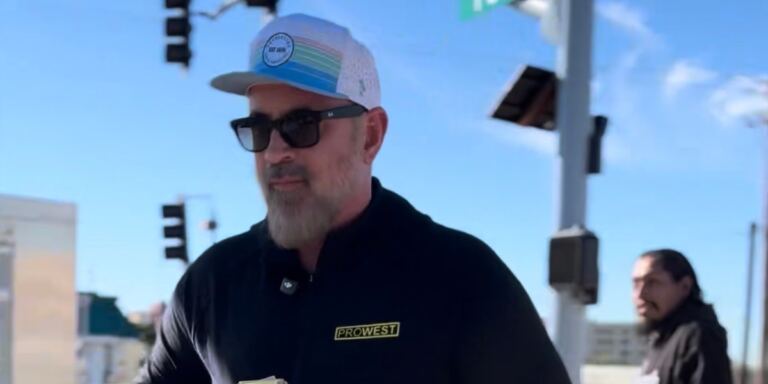
Bob Schober did not set out to become the face of a kindness movement. At first, it was supposed to be a holiday experiment, a way to turn attention away from the familiar noise of social media and toward something better. He had already lived through success, struggle, rebuilding, and reinvention, but what started with a sign and cash in hand has become something more personal than even he expected. The platform did not just change the lives of strangers. It changed him.
Schober, who goes by the handle 9FigureRoofer on his social media accounts, has watched his giving evolve from quick roadside exchanges into deeper stories of real need. The early videos captured the shock of people receiving unexpected cash. Now, he is leaning into the full human weight behind those moments. A woman with cancer. A homeless woman sleeping in her car during 110-degree Arizona heat. A mother sleeping outside with her children while preparing to start chemotherapy. These are not vague images of hardship. They are people caught in the middle of circumstances that can swallow a family whole.
That shift has led Schober to use GoFundMe more intentionally. Instead of only handing someone money and walking away, he now helps create a public bridge between need and action. In one case, a woman sleeping in her car received enough support to move into an apartment. Days later, she sent a photo of her keys. For Schober, that image carried more power than any polished metric could. It was proof that a single story, shared honestly, can move strangers into motion.
What makes the work compelling is that Schober does not romanticize it. He knows he cannot help everyone. His messages flood in by the minute, filled with cancer diagnoses, eviction threats, family emergencies, and pleas for support. The volume can be overwhelming, and the hardest part is knowing that even with resources and reach, there will always be someone he cannot save. Still, he refuses to let that limitation become an excuse for doing nothing.
In the beginning, the mission was simple. “Let’s flex generosity,” Schober says. That phrase captures the quiet rebellion at the heart of his platform. Instead of showing off cars, watches, titles, or trophies, he is trying to make giving feel aspirational. He wants generosity to become the thing people brag about, compete over, and pass along. Not for ego, but because people often copy what they see celebrated.
The response has surprised him. People have walked into the Pro West office with cash. Strangers have mailed checks. A rehab center offered money without asking for recognition. An electrician from New York sent $500 with a note saying he loved the videos and wanted to help. These moments showed Schober that the platform was no longer about what he could personally afford to give. It was about what he could inspire others to release.
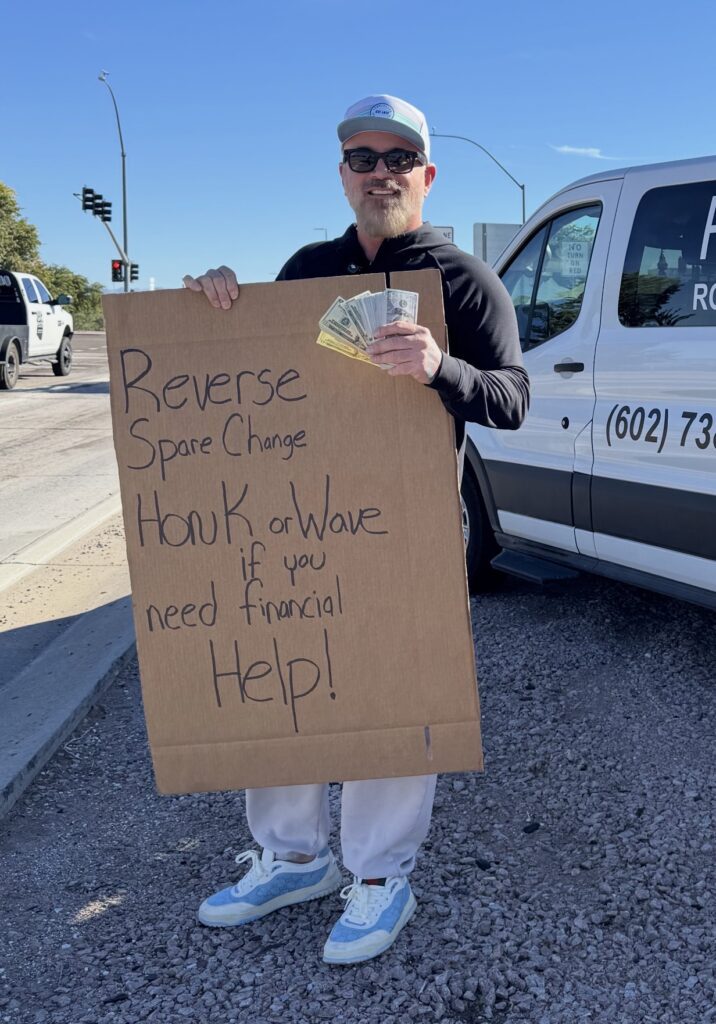
That is where the true scale begins. His audience stretches across generations, from kids to grandparents, which gives the work an unusual emotional reach. Families watch the videos together. Parents say their children love them. Older viewers return daily for reminders that people still care. In a culture that often rewards outrage, Schober’s content offers a different rhythm. People are not tuning in to watch conflict. They are tuning in to watch relief.
Still, he resists making himself the center. The camera may be on his glasses, but the attention belongs to the person receiving the help. He is rarely in the frame unless he is introducing a contest or explaining a giving initiative. That choice is intentional. “I want the brand to be kindness, not Bob Schober,” he says.
That line reveals the difference between attention and purpose. Schober understands that visibility can become a trap if the person becomes bigger than the mission. He does not deny that the platform needs reach. He wants it to grow, especially if that growth brings sponsorships, collaborations, and larger giving opportunities. But the spotlight, in his mind, should serve the fire rather than become the fire.
The work has also rearranged his inner life. Schober speaks openly about how his empathy has expanded. He now moves through neighborhoods, dollar stores, Goodwills, and Walmarts with a sharper awareness of who might be hurting. He does not believe he has a special gift for finding the right person. He believes more people are struggling than most are willing to notice.
“The biggest surprise of all of this is how much I’ve changed on a personal level,” Schober says.
That transformation may be the most powerful part of the story. Giving has become more than an act. It has become a lens. When Schober has a bad day, his instinct is to go help someone. Not because his own life is perfect, but because generosity gives him perspective. It pulls him out of himself and places him in front of someone whose problem is not theoretical. It is rent, treatment, shelter, food, school clothes, or a locked door finally opening.
Schober’s legacy is still being written, but it is no longer confined to roofing, business, or social media. It lives in keys handed to a woman who had no home, in strangers choosing to contribute quietly, and in families watching together while someone’s burden gets lighter. At its core, the story is not about a man giving away money. It is about what happens when giving becomes contagious, and that is the movement now growing through Bob Schober.