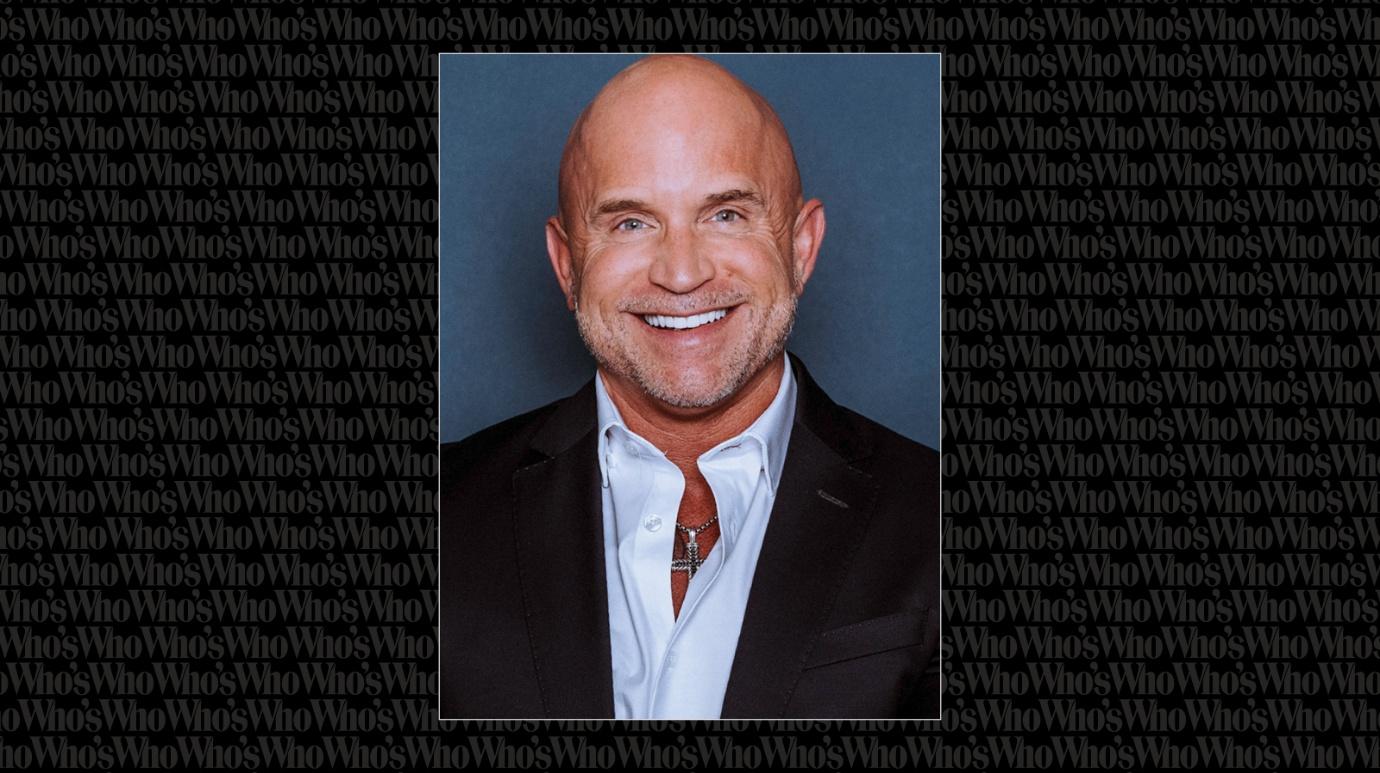
Leadership development has entered a more reflective era. As organizations scale faster and pressure intensifies, many leaders are discovering that external strategies alone no longer resolve internal strain. Conversations about growth now extend beyond revenue models to behavior, presence, and alignment. Within that evolving space, Stephen Scoggins, founder of Unstoppable Solutions, has shaped a body of work grounded in lived experience and behavioral insight.
From Survival to Self-Examination
“Essentially, there’s a lot behind the scenes about how I went from homelessness to starting a company and then selling it,” Scoggins says, noting that the story people expect often misses the point. “Many people have mental illness or drug addiction. Mine was much simpler: pride and arrogance.” That realization reframed how he understood struggle and success. “That actually is the biggest obstacle,” he adds.
Over time, Scoggins began to observe the same internal patterns across leadership, business, and relationships. “When people face leadership, relationship, or business struggles, they often look at external causes,” he explains. What emerged instead was a behavioral framework he now teaches. “I created the Five Constraints: Arrogance, Ignorance, Impatience, Fear, and Insecurity.” Each, he notes, has a practical counterbalance such as humility, teachability, and presence.
The Integrated Alignment Method
“I sometimes stand before a room of 600 or 800 people and ask, ‘Show of hands: how many of you think you should be further ahead than you are?’” Scoggins says. “Without fail, all hands go up.” For him, that moment reveals a shared disconnect. “This highlights a widespread problem: focusing too much on the future instead of being present in the now.”
Scoggins’ response is what he calls integrated alignment. “My goal is to help people align themselves, which is where the integrated alignment method comes in.” The work centers on internal grounding before external execution. “If they truly want to grow themselves personally, relationally, and professionally, the focus should be internal, not external.”
That approach also addresses fear and insecurity. “The opposite of fear is intentional faith,” Scoggins says. “Trusting in a divine being or simply believing that what’s happening is for you, not against you.” For nearly three decades, he has shaped these ideas through what he calls “the construction site of my life.”
Seeing the Person Behind the Role
“I really see people,” Scoggins says when asked about his leadership style. In his experience, isolation is common at the top. “Almost everyone feels like they haven’t been seen, heard or valued in a long time.” That sense of invisibility, he believes, affects leaders across industries.
Scoggins often points to the strain of divided attention, adding, “The challenge of trying to do so much at once makes it hard to be present and focused on what’s in front of you.” He knows that this dynamic occurs frequently among entrepreneurs and executives who assume responsibility without an intentional connection.
For Scoggins, presence is not abstract. “If you claim to solve a problem for a specific person, group or organization, you need to have a real solution,” he says. That belief shapes how he works with leaders at various levels, guiding them to slow down, reflect, and rebuild from the inside.
Vulnerability, Vision, and Responsibility
“I try to be very vulnerable, as vulnerability and transparency are my strengths,” Scoggins says. That openness supports his role as both visionary and integrator. “I’ve also realized I have a strategic mind. I’m both a visionary and an integrator, which is rare.” Alongside his leadership work, he continues to develop tools, including AI-driven systems, with a focus on responsible use. “I’m working hard to stay ahead of the curve while ensuring these tools benefit humanity,” he adds.
Looking ahead, Scoggins’ aim remains grounded in service. “There really are two ways to learn,” he points out. “Through your own mistakes or by learning from others’ mistakes.” His work offers the second path. Through alignment, presence, and internal clarity, Scoggins continues to help leaders build lives and organizations shaped by intention rather than reaction.