
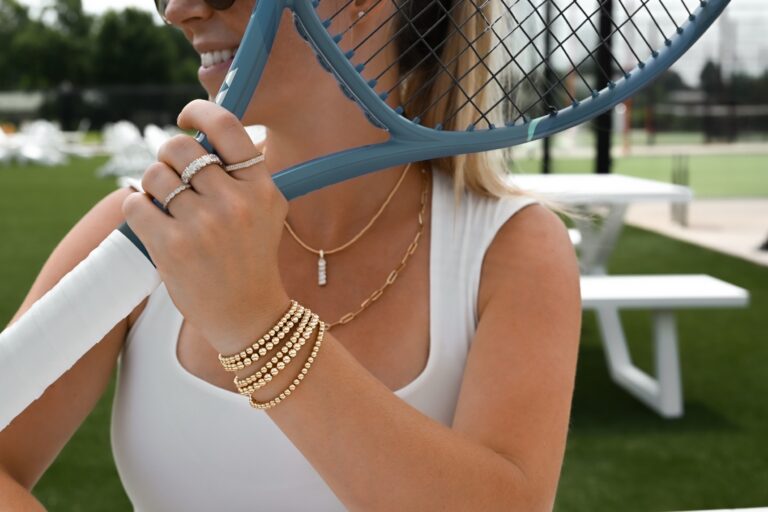
A bracelet without a clasp might seem like a small design decision, yet it became the foundation of an entire business. Shannon Hudson, a former collegiate athlete and founder of Gold Club Jewelry House, recognized something many jewelry brands had overlooked. A clasp assumes a bracelet will come on and off throughout the day. She wanted to create jewelry for women who left it on.
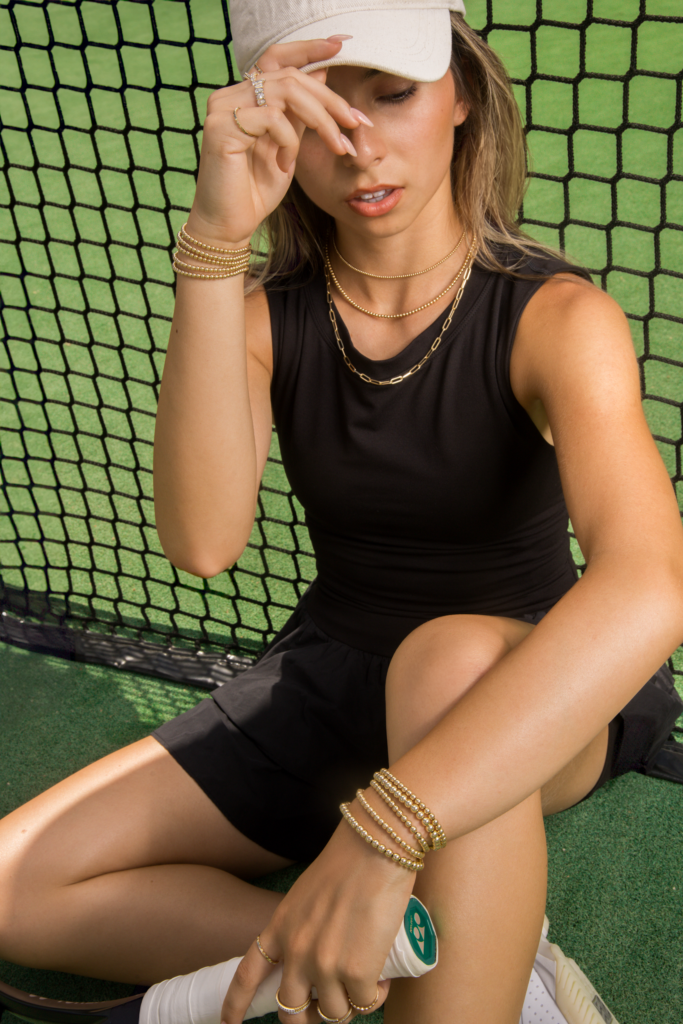
Founded in Northwest Arkansas, Gold Club was built around a straightforward idea: luxury jewelry should fit naturally into everyday life. Hudson refers to that philosophy as performance luxury, while the company expresses it through a simple phrase, “Jewelry You Can Play In.” Rather than reserving jewelry for special events, Gold Club creates pieces intended for workouts, court time, travel, work, motherhood, and the many activities that fill a modern schedule.
The idea has gained early traction. During its first year, Gold Club generated approximately $1.5 million in revenue, and about 45 percent of customers returned for another purchase. Its signature bracelets have also been adopted by the women’s sports teams at the University of Arkansas and TCU, placing the products with women whose daily lives reflect the audience Hudson had in mind from the beginning.
The Designer as Customer
Hudson’s perspective did not come from a traditional jewelry retail background. Her experiences as a collegiate athlete, mother, and entrepreneur informed how she viewed the gap between jewelry that looked beautiful and jewelry that could remain part of an active day.
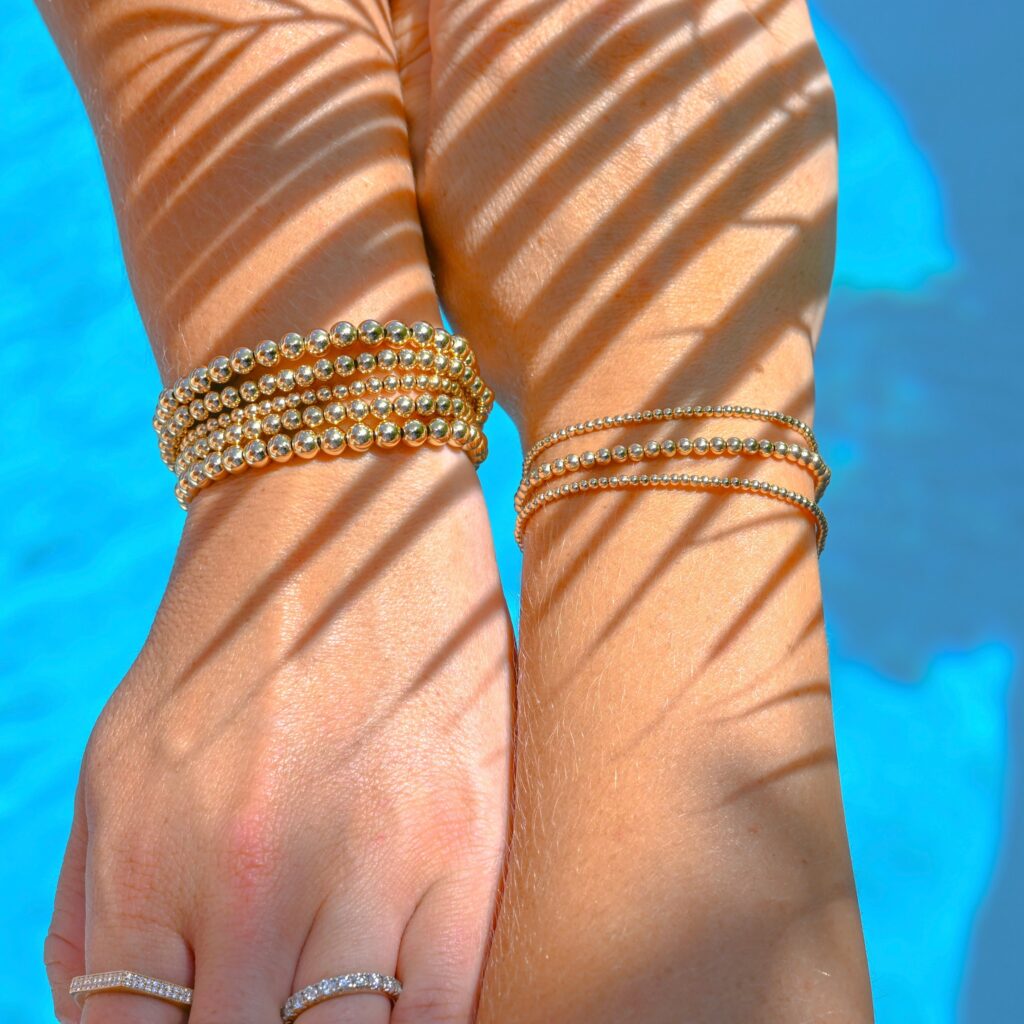
That perspective led to LustraFlex, Gold Club’s signature flexible, clasp-free, 14k gold-filled bracelet. The bracelet was created to stay with the wearer throughout the day rather than spend part of its time in a jewelry box, travel pouch, or gym bag. Its flexible construction reflects the company’s broader belief that jewelry should fit naturally into daily routines instead of requiring women to organize those routines around it.
It is also built to keep up. The pieces are sweat-proof and tarnish-resistant, designed to hold their finish through workouts and a full day of wear. The material standard behind that durability is more rigorous than most buyers realize. Under FTC rules, jewelry labeled gold-filled must contain at least 5 percent gold by weight; Gold Club’s pieces are produced at 7 percent. The more common alternative on the market, gold-plated jewelry, contains roughly 0.01 percent gold, a layer thin enough to wear away within months.
Sizing became an important part of that effort. LustraFlex is available in four sizes, including an XS 5.75-inch option that many luxury jewelry brands do not offer. “Many women with smaller wrists could never find bracelets that fit correctly,” Hudson says. The sizing decision is practical, yet it reveals something larger about the brand. Gold Club focuses on how jewelry is worn in real life, paying attention to details that affect comfort, fit, and everyday use.
A Founder Who Stays Close to the Client
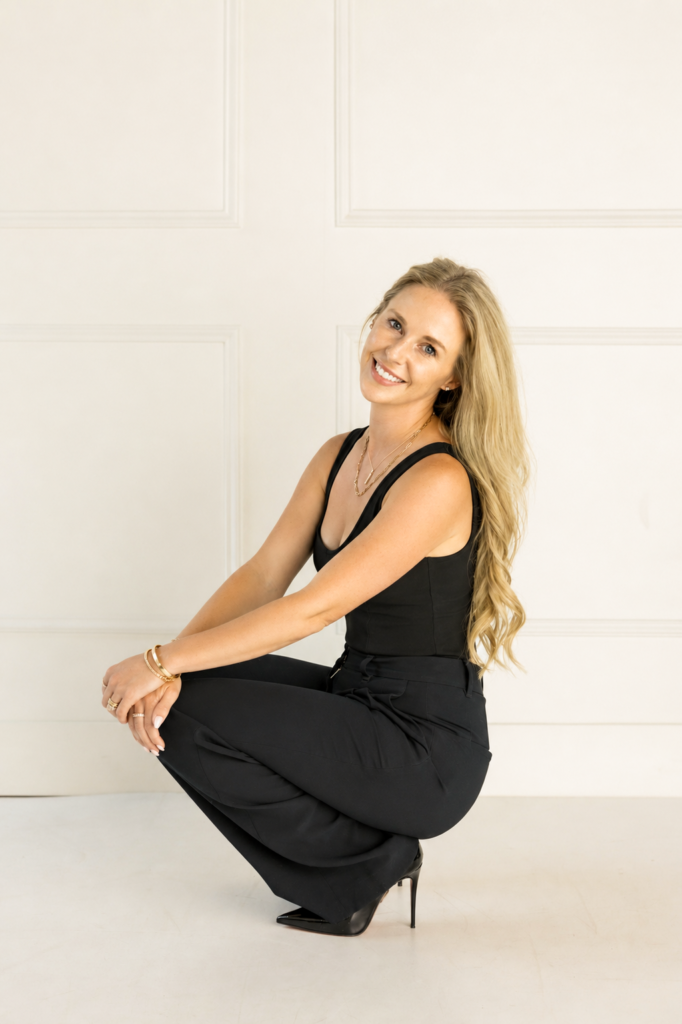
Hudson remains closely involved in the business, particularly through Gold Club Reserve, the company’s fine jewelry concierge service. Clients seeking engagement rings, wedding bands, graduation rings, heirloom redesigns, and custom jewelry work directly with Hudson and her team throughout the process.
Her work does not stop at Reserve. Hudson continues to design new pieces for both Gold Club Everyday and Gold Club Reserve, with a tennis necklace due to launch this fall and preorders opening soon. Customers can sign up through the brand’s website to be notified. Production runs through manufacturers Hudson describes as the best in the category, with quality standards she has said sit above what is common among comparable brands.
Rather than relying on a traditional showroom experience, Reserve centers on direct collaboration involving diamond sourcing, design decisions, budgets, and long-term collection planning. “Clients are not simply purchasing jewelry,” Hudson says. “They are building collections and heirloom pieces with guidance from a team that understands their lifestyle, aesthetic, priorities, and long-term goals.”
That philosophy helps explain why clients continue working with the company over time. Someone who begins with an everyday bracelet may later return for engagement jewelry, wedding bands, or family heirlooms, creating an ongoing connection with the brand across different stages of life.
The Reserve side has also become a quiet specialty for the men who find their way to it. Many arrive looking for guidance through the engagement-ring process, wary of glass-case sales pressure and of being steered toward inventory that has been sitting on a tray for months. Gold Club’s pieces are made to order rather than pulled from sitting stock, and the Reserve process is built around education: lifestyle, design, and budget conversations that come before the diamond, not after it.
Where Movement Meets Luxury
Although Gold Club is based in Northwest Arkansas, the company has gained traction in South Florida, Southern California, Virginia, Washington DC, New York and Texas. What connects those markets is not simply income. It is a movement. Many customers divide their time among travel, recreation, wellness activities, family responsibilities, and professional obligations. A woman may head from a workout to lunch, from a meeting to a flight, or from a tennis court to dinner without wanting to think about whether her jewelry still fits the moment.
Gold Club has built its business around serving clients who view jewelry as part of a well-lived life rather than something reserved for special occasions. Through a growing e-commerce platform, strategic partnerships, and thoughtfully curated collaborations, the brand is building a community that extends beyond jewelry and into the experiences, relationships, and moments its clients value most.
Built Beside Women’s Sports
Gold Club’s connection to women’s sports reflects the same philosophy that guides its product development. Early adoption by collegiate athletic programs reinforced Hudson’s belief that active women want jewelry that fits comfortably into their routines.

“One of my favorite parts of starting Gold Club has been connecting and collaborating with other female founders and people who support women and women’s sports, like our Wimbledon collaboration that we will be announcing soon,” Hudson says.
Sport remains an important part of the brand’s identity because it reflects the practical demands placed on the products. The bracelet must fit naturally into the life of a woman who is constantly moving between activities, responsibilities, and interests.
The Future Is Everyday
Hudson believes luxury jewelry is becoming more closely connected to daily living rather than occasional use. Consumers increasingly invest in wellness, travel, recreation, and personalized experiences. Gold Club’s philosophy suggests jewelry belongs within those routines rather than apart from them.
Early revenue results and customer retention indicate that the idea is finding an audience. What began with a clasp-free bracelet has developed into a broader vision for how jewelry fits into modern life. Hudson did not build Gold Club from the jewelry counter outward. She built it from the wrist out, and from the active woman in.