On October 17, 2026, a recording will begin playing in a backyard in Argentina, a yoga hall in Italy, a living room in Ohio and a field north of Johannesburg where fossils of humanity’s direct ancestors were pulled from the ground. All of them will hear it at the same instant, regardless of what the clock on the wall says.
That is the organizing idea behind ORIGIN, a worldwide gathering built around a single synchronized moment rather than a single location. Organizers call it the Moment of Global Unity, and it sits at the center of a live broadcast that will move between continents for several hours.
The distinction is the entire structure. New Year’s celebrations roll westward across 24 time zones over a full day, which makes them a sequence rather than a shared event. ORIGIN is designed so that participants who will never meet are doing the identical thing while their clocks read hours apart.
What Participation Involves
2,200 groups have registered gatherings, with confirmed public events across Australia, Zimbabwe, Asia, New Zealand, Italy, France, Argentina and the United States. A Global Yoga Wave runs in parallel for studios and practitioners.
The entry requirements are close to nothing, which is the design. Participants do not need a ticket, a passport or a plane. They need to be somewhere, with someone, at the appointed time.
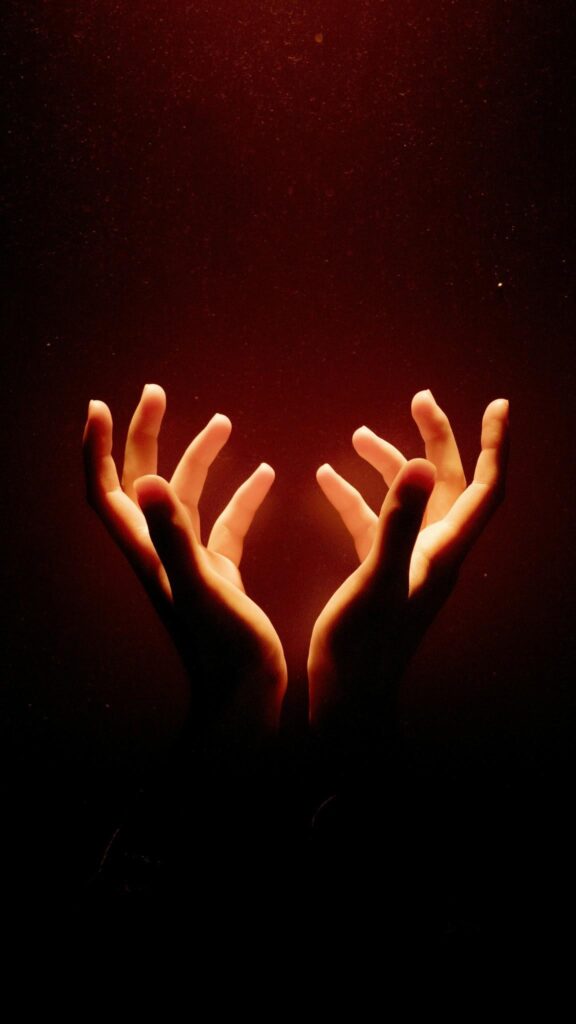
The sequence unfolds in three parts. A multilingual invocation, then a shared moment in which participants are asked to touch the ground, a stone or a plant and speak aloud the world they want to see, and then music.
Why the Location
The flagship gathering, Origin South Africa, runs October 16 to 18 at the Kromdraai Impact Hub inside the Cradle of Humankind, with the synchronized moment falling at 9 p.m. local time on the Saturday.
The site is a UNESCO World Heritage listing inscribed in 1999, covering roughly 47,000 hectares of limestone caves that have produced a substantial share of the world’s known hominin fossils, among them Mrs. Ples and the near-complete skeleton known as Little Foot. Kromdraai itself remains an active excavation rather than a preserved exhibit.
The reasoning is that the fossil record predates every border, language and category humans have since built, which makes the site a physical rather than rhetorical argument for the event’s premise.
The Invocation
The moment opens with a multilingual recording made with Indigenous Elders representing 15 nations, each contributing in their own language alongside an English translation. The sequence begins in Aotearoa New Zealand and follows the sun west.
The recordings were made on the Elders’ own lands by Deborah Anderson, the filmmaker and Leica ambassador who directed Women of the White Buffalo, a documentary about Oglala Lakota women at Pine Ridge that won seven festival awards including Best Feature Documentary at the Red Nation International Film Festival. Anderson, who is of Indigenous, Black, Irish and Scottish descent, lived alongside that community for two months while making the film.
Among the contributors is Ouma Katrina Esau of South Africa’s Northern Cape, who at 92 is the last living first-language speaker of N|uu. Esau holds an honorary doctorate from the University of Cape Town and South Africa’s Order of the Baobab, awarded for decades of work documenting the language and teaching it to children in a classroom beside her home. Chief Arvol Looking Horse of the Lakota nation and Grandma Rita Tupe of Aotearoa New Zealand also appear.
Paul Jrumpinjinbah, an Aboriginal elder of the Yuin Nation in Australia, describes what he contributed in plainer terms than the organizers do. “Origin is an opportunity to share what we have always known and always contribute as First Nations,” he says. “We all breathe the same oxygen. We still look at the same trees. You come from the land and you shall return, no matter who you are, where you’re from, or what nationality you are.”
The Music
The Origin Anthem, produced by multi-platinum record producer Michael Gazzo, brings together contributors from more than 15 countries. Among them is Rocky Dawuni, the four-time Grammy-nominated Ghanaian musician designated a United Nations Goodwill Ambassador for the Environment for Africa in 2018 and named one of Africa’s top 10 global stars by CNN.
He is joined by South African vocalists Nomvula and Buhlebendalo, sarangi player Kamal Sabri and King Moore, the California-based child rapper who earned four judges’ votes on America’s Got Talent. The track is released ahead of October so audiences already know it.
At Origin South Africa, the bill leans on South African talent including TRESOR, Bongeziwe Mabandla, Sibusile Xaba and Tubatsi Malo.
Who Is Producing It
The event is sponsored by the non-profit Project Biome and produced by Chris Deckker, whose track record with this format goes back nearly three decades. In 1997 he launched Earthdance, a synchronized global event that opened across 22 locations in 18 countries and grew to more than 700 gatherings across 75 countries, coordinated before broadband made simultaneous distribution practical. The office of the Dalai Lama recognized it as the most successful global event of its kind supporting the Tibetan people.
Lamara Heartwell, a great-granddaughter of one of Exxon’s co-founders, leads the capital side, working to move private wealth toward regenerative agriculture and ecological restoration.
Plant Something
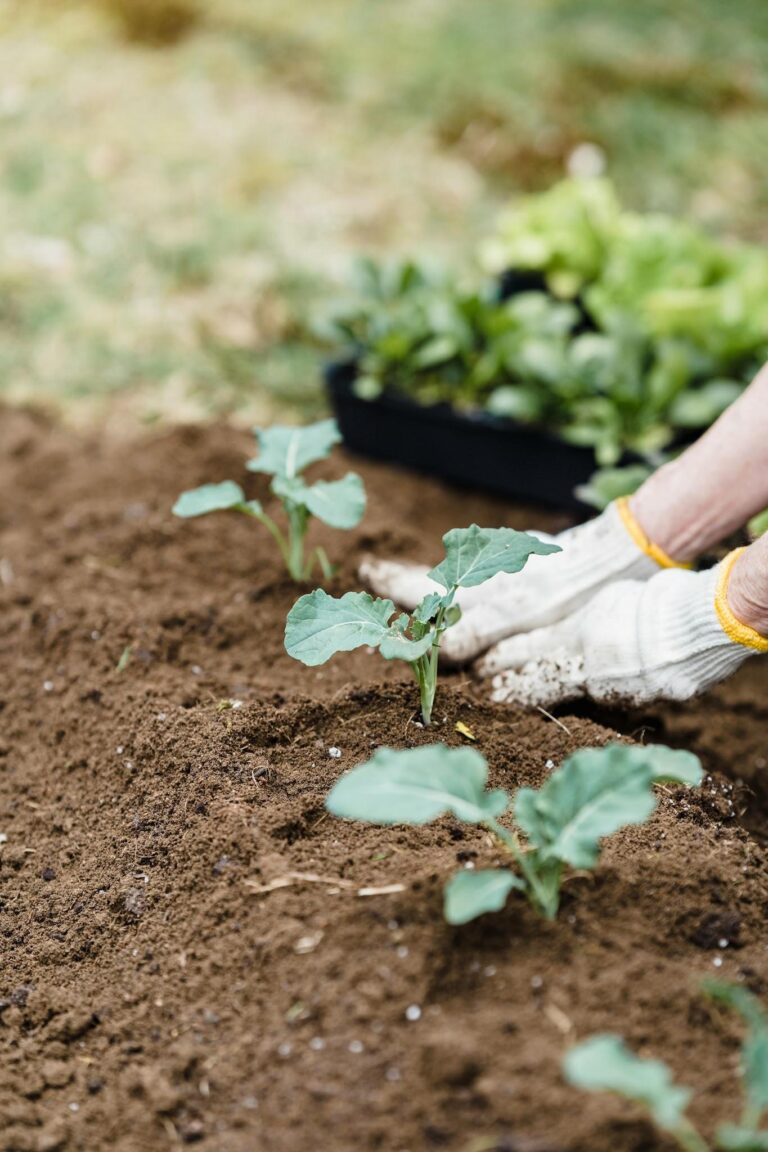
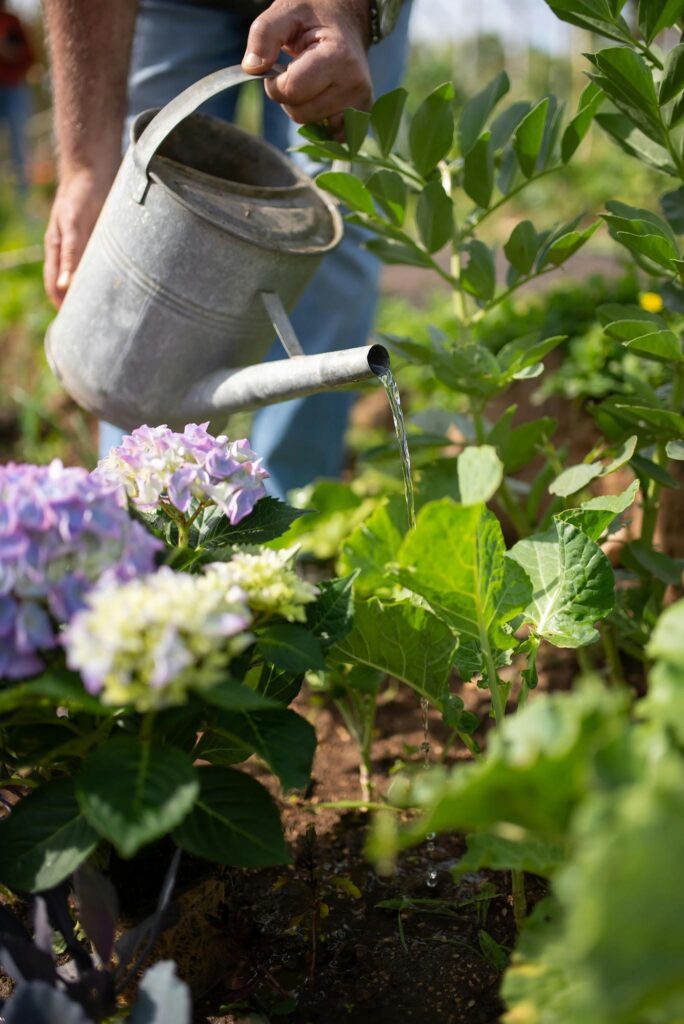
Running underneath all of it is Seed the Dream, a call to plant flowers, herbs, vegetables or native trees at home, at school or in a shared community space, and to add your location to a map that fills in as more people commit. Organizers are also raising $10 million to direct toward soil restoration, food systems, ecological restoration and Indigenous leadership.
The ask stays small on purpose. Pick a place, gather a few people, put something in the ground, and be present on October 17 while more than 2,000 other gatherings do the same.