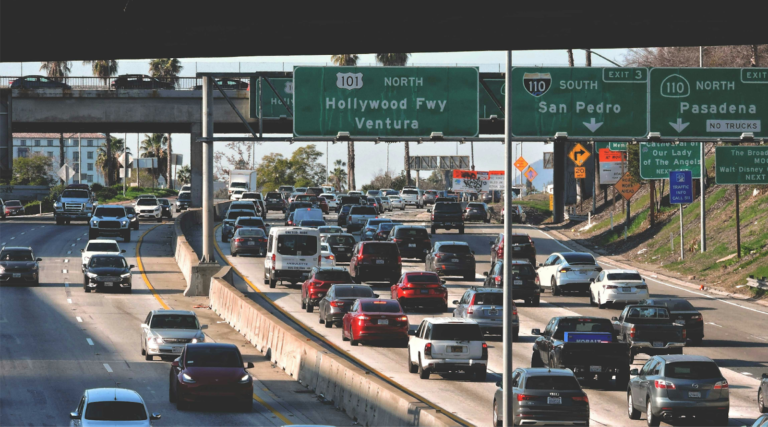
In an effort to make driving and parking in Los Angeles less stressful for international visitors, digital interface designer Meng Lan has developed a mobile app concept called Way to Drive. The app aims to simplify the complex parking rules and regulations in the city, providing users with clear and actionable information to help them park with confidence.
In an interview with GritDaily, Meng Lan discussed the inspiration behind Way to Drive, her design approach, and the app’s features. “Way to Drive is a mobile app designed to help international visitors feel less stressed when driving and parking in Los Angeles,” she explained.
“The idea came from a very practical problem: parking rules in Los Angeles are extremely detailed and often hard to understand, especially for people who are not familiar with local regulations or English signage.”
According to a recent report from Bloomberg, 14% of incorporated land in Los Angeles County is dedicated to parking, totaling over 18.6 million spots, including 3.6 million on-street spaces, with roughly 3.3 spots available per car. The city issues nearly 2 million parking tickets annually, with downtown LA, Westlake, and Koreatown experiencing the highest violation rates.
Meng Lan is a web and digital interface designer with a background in interior design, visual communication, and digital media. She has a passion for designing practical and workflow-driven user experiences. Her work focuses on addressing real-world problems, particularly in complex B2B and enterprise environments. Way to Drive is one such project, initiated from her own idea and developed independently without collaborators.
The app’s concept was born out of Meng Lan’s personal experiences driving with friends visiting from abroad. She noticed that they would often struggle to understand parking signs and road rules, leading to confusion, fines, or unsafe parking choices. “I realized this wasn’t a niche problem. It was a gap between local driving rules and how visitors actually understand them,” she said.
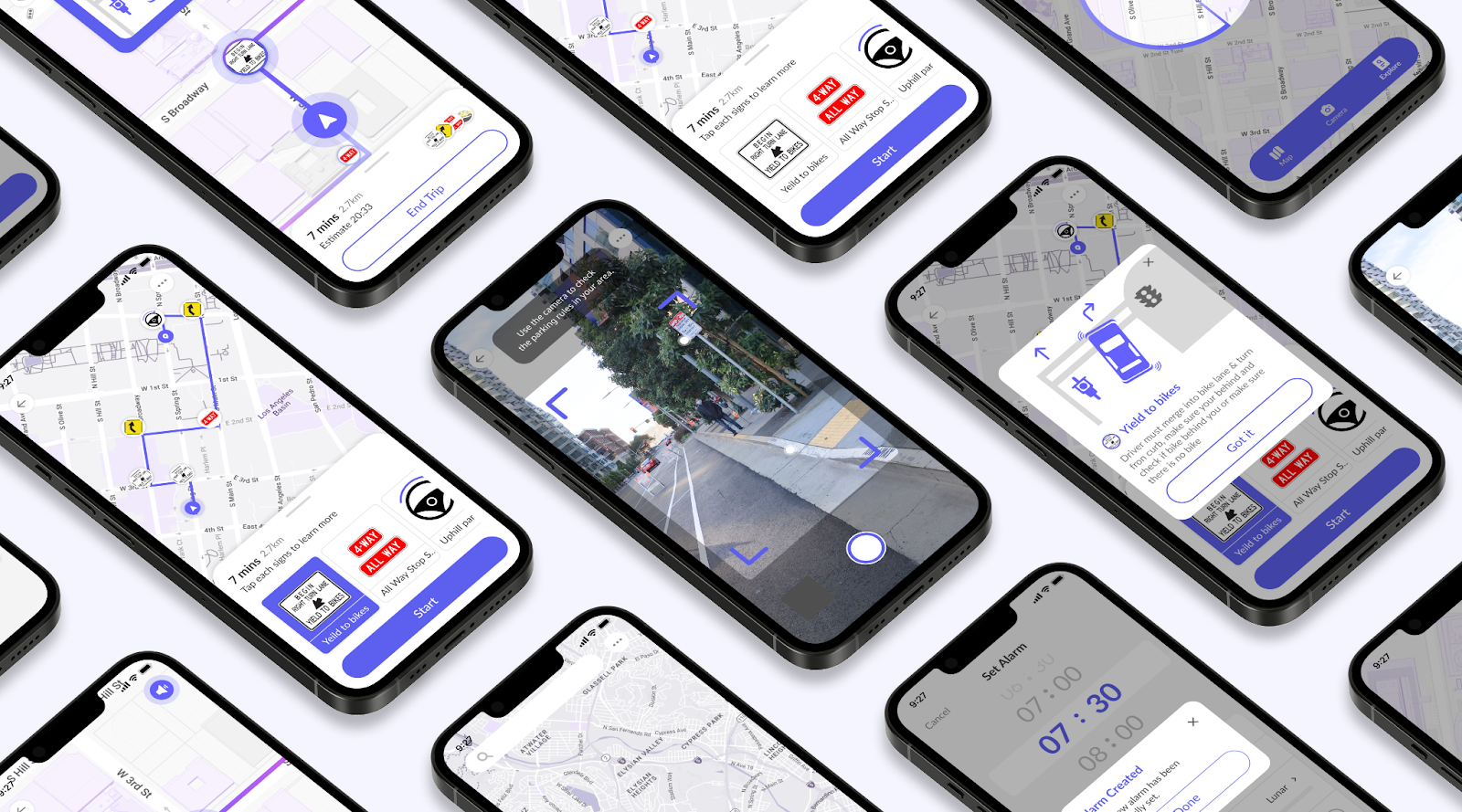
Way to Drive includes three main features: route planning, AI image recognition, and reminders. The route planning feature allows users to plan their route and view traffic signs marked directly on the map. Users can tap on these signs to see local rules and set reminders to avoid missing important rules while driving.
The AI image recognition feature enables users to scan street signs or their surroundings with the in-app camera, and the app explains parking rules, curb colors, and other important details in the user’s own language. The reminders feature allows users to set alerts for street sweeping zones, parking restrictions, and other important events.
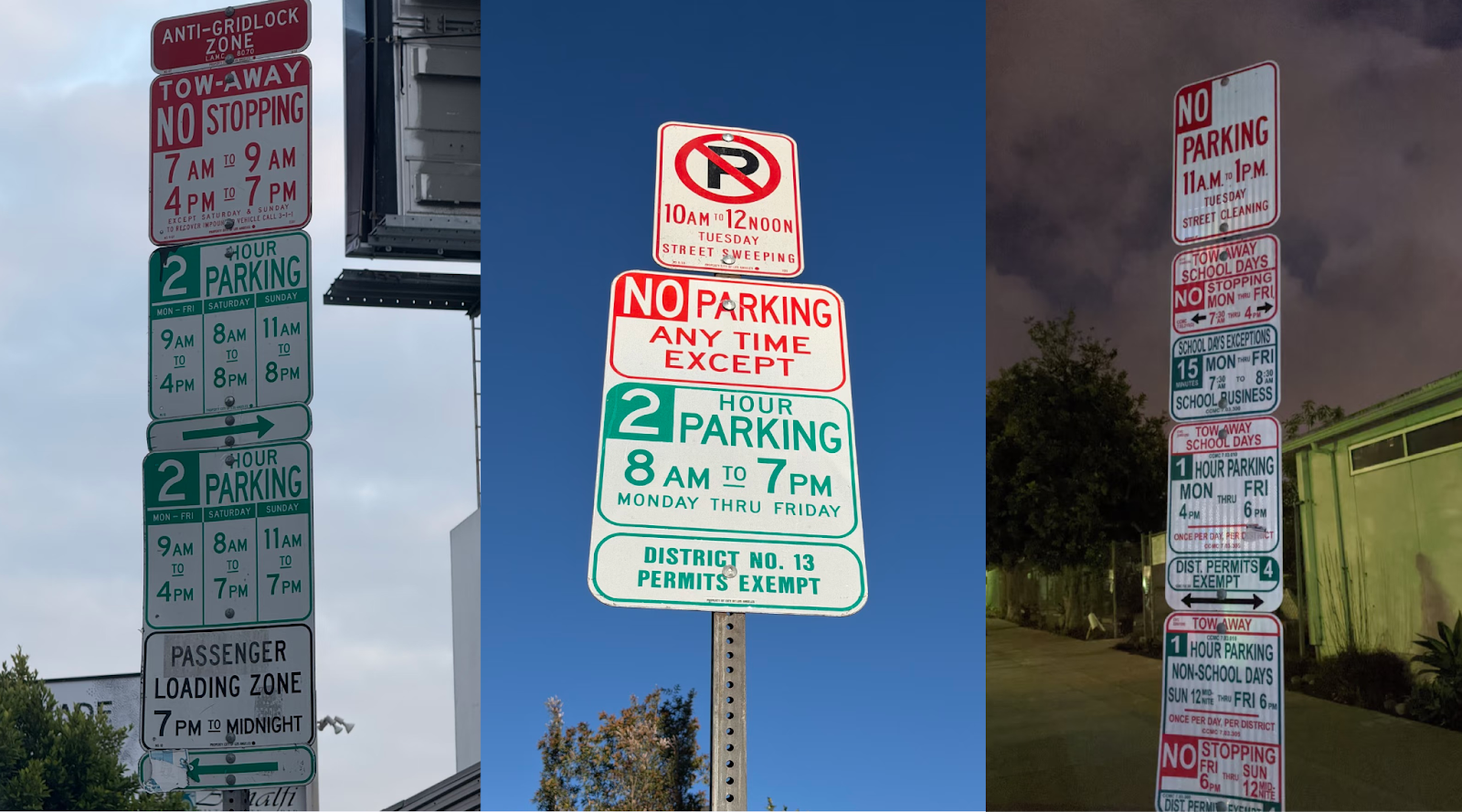
Meng Lan’s design approach focused on providing location-based guidance and simplified explanations of local driving and parking rules. She used visual cues, simple icons, and lightweight animations to explain rules quickly and easily, reducing the need for users to read complex text while driving. “When designing Way to Drive, I focused on helping users understand traffic rules as quickly as possible, especially in real driving situations,” she said.
While Way to Drive originated as a visionary concept, the design has already captured significant international attention. Most notably, the project was honored with the “Best of Best” award at The Design Masterprize (DMP) 2024, marking it as a standout achievement in the global design community. This top honor was accompanied by Gold Awards at both the NYX Design Awards and the London Design Awards 2024, alongside recognition from the Indigo Design Award and the Creativepool Annual Shortlist. The accolades underscore Lan’s ability to resolve high-pressure urban challenges through sophisticated, user-centric visual systems.
Meng Lan believes that Way to Drive’s success stems from its focus on everyday moments that people often ignore until they cause stress or mistakes. “Parking signs, local driving rules, and street regulations are things drivers see all the time, but for international visitors, they can be confusing and even risky,” she said.
Beyond traditional interface work, Lan’s expertise increasingly lies at the intersection of AI-driven logic and hardware integration. She specializes in designing system-level experiences that bridge the gap between digital software and physical devices. Her work on Way to Drive serves as a prime example of this philosophy, demonstrating an exceptional ability to distill complex municipal requirements into clear, efficient, and highly usable interfaces that prioritize functional clarity over mere aesthetics.
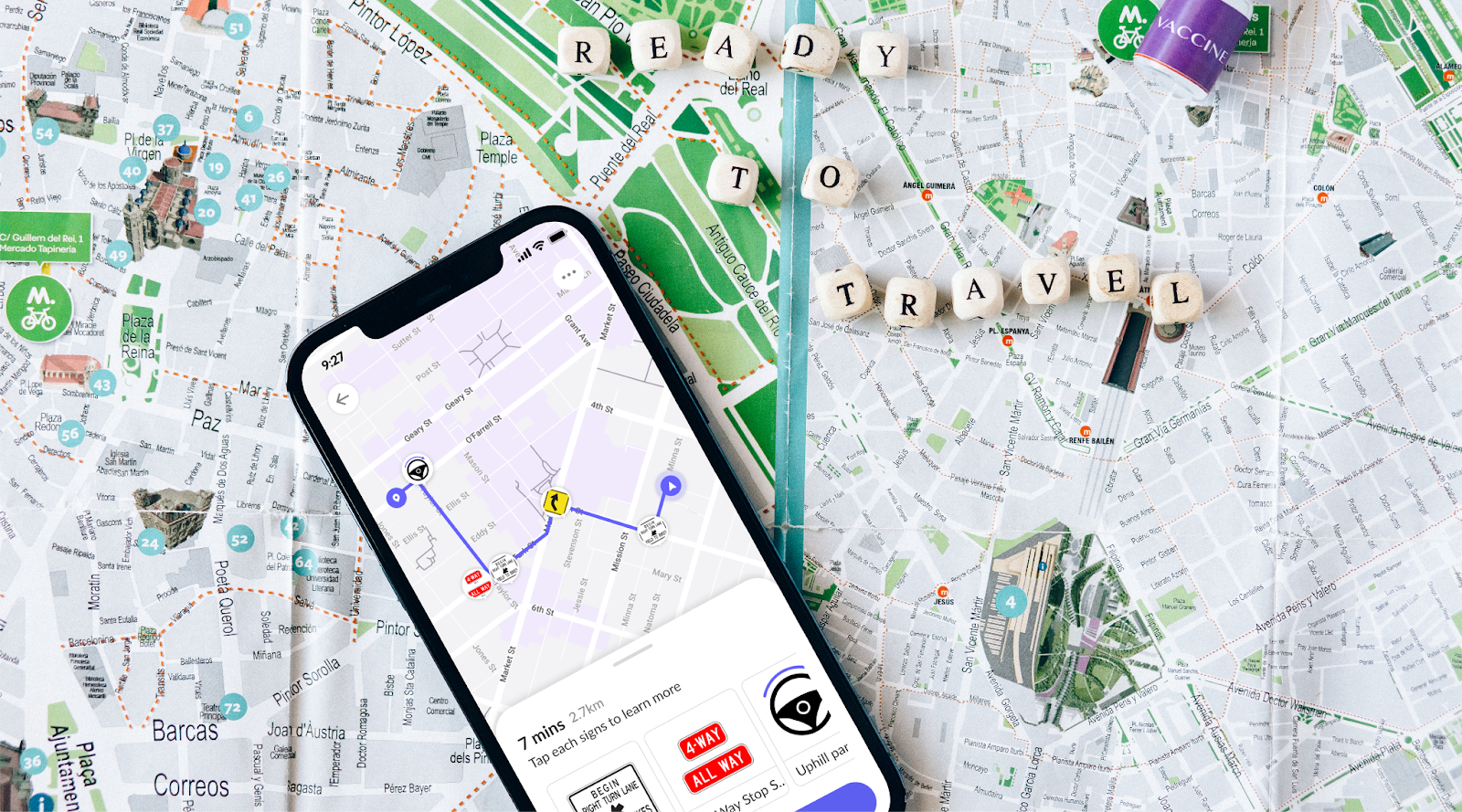
In recent years, Meng Lan’s work has expanded into AI-driven and hardware-integrated products, where she designs system-level experiences that connect software interfaces with physical devices. She has contributed to both independent concept projects and commercial AI initiatives, including projects that explore mobility, health, and professional productivity. As she continues to work in AI product and hardware-related design, Meng Lan remains committed to exploring how thoughtful UX design can bridge emerging technology with human-centered problem-solving.
The development of Way to Drive highlights the importance of user-centered design in addressing real-world problems. By focusing on the needs of international visitors, Meng Lan has created a mobile app concept that has the potential to reduce confusion, fines, and safety risks. The overwhelming professional response and the “Best of Best” recognition have validated the project’s resonance with current urban needs. While initially a concept, the widespread acclaim has prompted Lan to explore future development and strategic partnerships to bring this human-centered solution to drivers. As the project evolves, it remains a compelling testament to how thoughtful UX design can simplify the most frustrating aspects of city life.