Laura Paulus comes across less as a crusader and more as a thoughtful parent who followed the questions her own family life raised. Her background is in nutrition and helping people make “better food decisions in a simple way,” and over time, that interest evolved into a sustained focus on how everyday choices shape health, especially for children. As she raised her three children, she paid close attention to what they were being offered at school and how little practical nutrition education many children receive.
From Parenthood to a Clearer Purpose
Watching her children grow up in an environment where processed snacks are widely available and heavily marketed gave Paulus a different perspective on nutrition. She describes “the lack of nutritional education in America” as a “critical opportunity to sort of tackle and understand,” and that realization encouraged her to center her work on children’s health rather than solely on adults.
Instead of accepting that packaged foods and sugary drinks are simply part of childhood, she began to see early nutrition and food literacy as areas where careful, steady work could make a difference. In her view, teaching children how to understand what they are eating is just as important as teaching them how to read or add.
Improving Food in Schools
Paulus now directs much of her energy toward “changing food in schools” through her involvement with Eat Real, a nonprofit that focuses on public school cafeterias as a major lever for change. Eat Real’s award-winning K–12 certification program provides foodservice leaders with a framework to create menus that are more delicious, nutritious, and planet-sustaining. The program tailors support to each district’s specific needs and helps them stay ahead of evolving federal regulations.
The organization’s model rests on a stark backdrop. Ultra-processed foods are linked to rising rates of obesity, Type 2 diabetes, heart disease, ADHD, depression, and anxiety in children. An estimated 67 percent of children’s calories now come from such foods, and 30 million U.S. students rely on school meals for at least half of their daily calories. Eat Real responds with a 360-degree impact approach, changing the food through certification and better access, changing the culture through storytelling and awareness, and changing the system through advocacy that uses program results to inform state and national legislation. This ensures cafeterias can become what it describes as the best, most locally sourced restaurants in town.
Through this work, districts receive practical guidance on reducing food waste, sourcing sustainably and locally, increasing plant-based options, and investing in regenerative agriculture. This positions school cafeterias as a fast and scalable upstream solution for both children’s health and the climate. For Paulus, joining the Eat Real board is a way to support this shift from inside the system, helping move school food away from ultra-processed defaults and toward fresh, real ingredients that can change the trajectory of kids’ health.
“We’re thrilled to welcome Laura to Eat Real’s Board of Directors. Her leadership, commitment to children’s health, and belief in the power of real food will help us deepen our impact and accelerate change for school communities nationwide,” says Nora LaTorre, CEO of Eat Real.
Teaching Kids to be “Food Detectives”
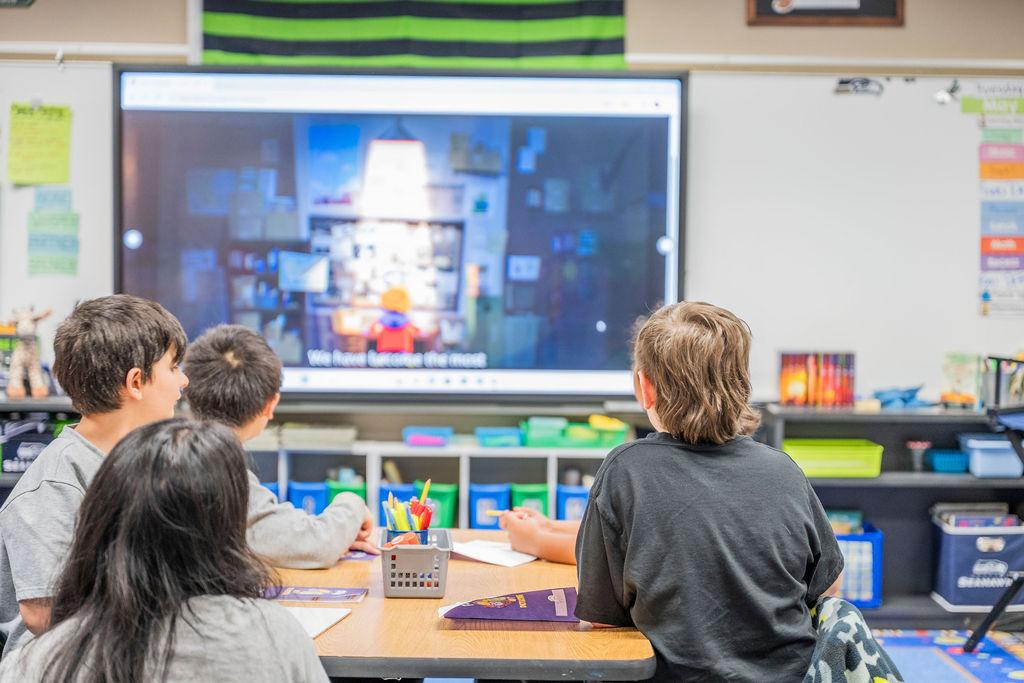
Paulus complements her cafeteria-focused work with direct education for children through Food Detectives, a free, standards-aligned program that teaches kids how to make better food decisions. The program has already reached approximately 250,000 children with lessons on how to examine their food more closely, read labels, understand ingredients, and think critically about what they eat. By connecting classroom learning with healthier cafeteria options, Paulus aims to deliver a consistent message to kids at school.
“The best way to fight against the $2B marketing food marketing industry isn’t to teach kids to eat more fruits and vegetables — research shows that doesn’t work. What works is exposing these deceptive marketing messages and teaching kids how to spot them — outsmarting grown-ups is something kids inherently love to do, and that’s the lever we pull to get them engaged. Once kids’ curiosity is sparked, they are intrinsically motivated to think more about their food choices — and that’s when teaching about what we eat and how it affects our bodies is effective,” explains Kelly Lake, Executive Director of Food Detectives.
Studying Nutrition From Pregnancy Onward
Alongside her work in schools, Paulus supports efforts to understand how nutrition affects children even before they are born. She and her husband help fund the FeFiFo–MOMS study at Stanford, a randomized controlled trial examining how different diets during pregnancy influence the microbiome and health of both mothers and their babies. The study enrolls healthy women early in pregnancy and assigns them to specific diet groups that emphasize fermented foods, fiber, or a combination of the two. Researchers then follow them through pregnancy and into the baby’s first 18 months.
Researchers use detailed dietary tracking, microbiome sampling, and health assessments to see how changes in maternal eating patterns may shift gut microbes and related health markers for both mother and child over time. For Paulus, this reflects a belief that “the microbiome is basically essential for nutrition and absorption, and it really dictates a lot of your health,” even though “we don’t really understand how the initial microbiome is set.” Supporting this work is her way of contributing to a clearer understanding of how a mother’s diet during pregnancy may influence what is passed from mother to baby and how that, in turn, might affect long-term health and disease risk.
“This study could redefine how we think about prenatal nutrition; Laura’s commitment ensures the findings will reach clinicians, parents, and policymakers,” notes Dr. Christopher Gardner, professor of medicine at Stanford who focuses on nutrition science.
Taken together, Paulus’ journey, from early nutrition work to parenting, from supporting Food Detectives to serving on the Eat Real board and helping fund microbiome research, reflects a consistent aim. She wants to help children grow up in an environment where real food and good information guide their choices, from pregnancy through the school years.