
The U.S. pet industry hit $158 billion in 2025, according to the American Pet Products Association, up from steady growth over more than a decade. Dogs now live in 53% of American households. People don’t think of pets as just animals anymore. They’re part of the family, and the brands that sell to them are held to a higher standard as a result. Quality matters. Ethics matter. And increasingly, so does being honest about what goes into the products.
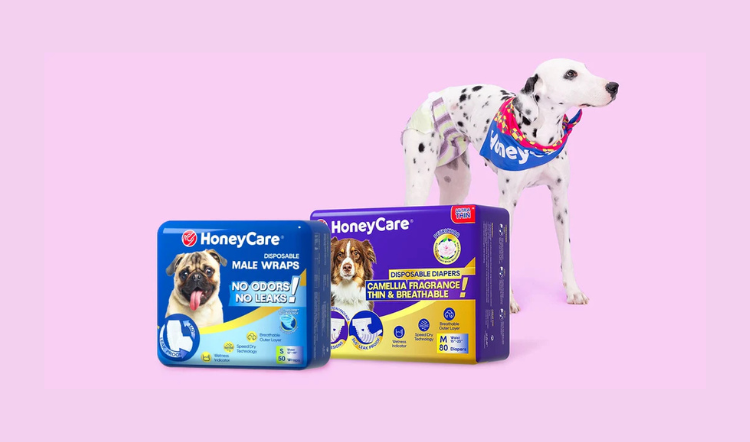
Into that market, consider what HoneyCare has quietly built. Founded in 2010, the brand now holds the title of #1 Name Brand Pet Diaper in America (Source: NielsenIQ Byzzer, L52 Weeks $ Sales, Total U.S. – W/E 11-08-2025), sells in over 40 countries, and has moved more than 8 million diapers worldwide. It got there by solving a problem most brands ignore, and by making business decisions that most brands abandon when they start to grow.
The Big But Unglamorous Opportunity
Dog diapers, male wraps, and training pads don’t make anyone’s list of exciting product categories. Indoor accidents and pet hygiene management are unglamorous, underserved, and exactly the kind of problem that tends to produce durable businesses when someone finally solves it well.
HoneyCare’s approach was simple: build products that actually work, and let happy customers do the talking. Six-layer leak protection, fur-safe fasteners, a wetness indicator on their diapers, odor control on their male wraps. These are the details most brands cut to save money. HoneyCare kept them. The result is a business built on repeat customers, with over 49,000 reviews on their male wraps alone, all backing one promise: no odors, no leaks. That doesn’t come from advertising. It comes from the product.
What Sustainability Looks Like When It’s Not a Campaign
Lots of brands say they care about sustainability. Fewer build it into how they operate, especially when it costs more. On Amazon, where shoppers can compare prices in seconds and switch brands with one click, spending extra on responsible sourcing is a real business decision, not just a talking point.
HoneyCare offers selected products made with FSC®-certified materials, meaning the sourcing is independently verified to meet forest stewardship standards. The brand also offers plant-based options in select categories and continues taking steps toward more sustainable pet care, while maintaining partnerships with animal shelters and rescue organizations. These aren’t free choices. They cost more to do. The fact that HoneyCare has kept them in place as the brand has grown is what makes them meaningful.
Younger pet owners in particular are paying attention to this. They want to buy from brands whose values match their own, and they’re willing to reward the ones that do with their loyalty. When a brand’s commitment to doing things right shows up in the product, people notice.
Why This Market Rewards Getting It Right
The trends behind HoneyCare’s growth aren’t going away. More people own pets than ever before. Dogs are living longer, thanks to better vet care and nutrition, which means more older dogs with hygiene needs. The same shift happening in elder human care (more people aging at home, more demand for practical daily solutions) is playing out in pet care, too. The products that serve those needs are still catching up to the demand.
The brands that will win that market aren’t the ones throwing the most money at ads. They’re the ones customers keep coming back to. And customers only come back when the product earns it.
Values and Growth Aren’t a Trade-Off. HoneyCare Is the Proof.
A lot of brands act like doing the right thing is something you earn the right to do once you’re big enough. HoneyCare did it from the start, and growing to 40+ countries and 8 million diapers sold suggests it was part of the reason they got big, not something they had to wait for.