Home improvement is largely driven by what people can see. Kitchens are upgraded because they are gathering places, while bathrooms are remodeled because they influence comfort and resale value. Flooring, paint, landscaping, and lighting are all the same, receiving attention due to how they shape the appearance of a home in immediate and obvious ways.
The same attention is not given to the systems hidden behind walls. Electrical wiring, circuit panels, plumbing infrastructure, and other behind-the-scenes components often remain untouched for decades, functioning quietly until something breaks. Yet as modern households become increasingly dependent on technology, these overlooked systems are beginning to play a much larger role in how homes operate.
The average home today supports far more electrical demand than it did even twenty years ago. Multiple televisions, computers, gaming systems, home offices, smart appliances, security devices, electric vehicle chargers, and connected home technologies all place new demands on residential electrical systems. In many cases, the infrastructure supporting these devices was designed for a very different era.
This has created growing interest in home systems that previously received little attention outside of contractors and electricians.
The Rise of Practical Home Knowledge
The internet has dramatically expanded the amount of information available to homeowners. Tasks that once required specialized knowledge can now be researched through videos, articles, and digital guides. Consumers increasingly want to understand how their homes function, even when they still hire professionals to perform the work.
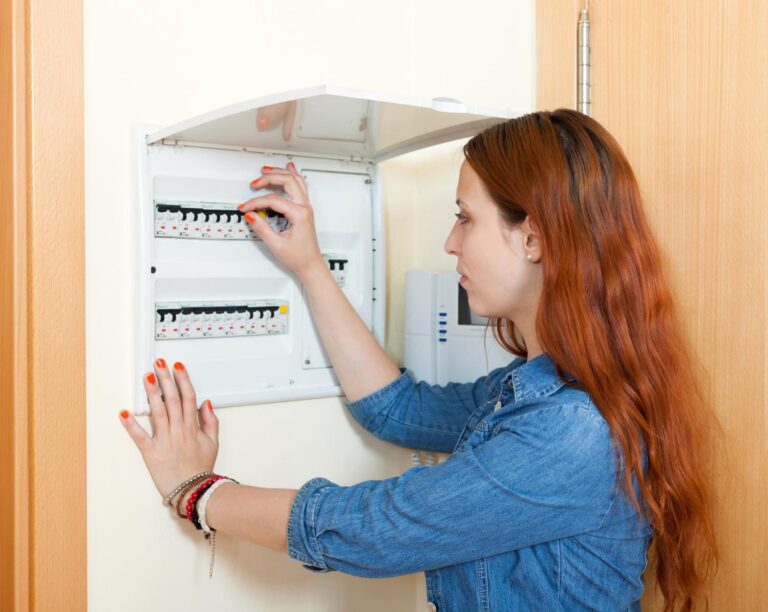
Electrical systems are a prime example. Many homeowners know where their electrical panel is located, but far fewer understand how individual circuits are organized or what specific breakers control. During emergencies, power outages, renovations, or maintenance work, that lack of information can quickly become frustrating.
As a result, resources covering topics such as circuit organization, breaker identification, and electrical panel labels have become increasingly useful for homeowners seeking a better understanding of their homes.
Homes Are Becoming More Complex
Modern houses contain more technology than previous generations ever anticipated. Smart thermostats communicate with mobile apps. Security systems integrate with cloud services. Appliances connect to wireless networks. Solar installations, battery systems, and electric vehicle charging equipment continue expanding into residential neighborhoods.
Industry analysts have noted that electrification trends may continue accelerating as homeowners adopt heat pumps, induction cooking, battery storage, and electric vehicles. While these technologies offer benefits in efficiency and sustainability, they also highlight the importance of understanding the systems already operating inside the home.
Electrical panels, once viewed as purely technical equipment, increasingly serve as the central hub for many household systems. This evolution has encouraged both homeowners and professionals to emphasize organization, documentation, and accessibility. Properly identified circuits can reduce troubleshooting time, simplify renovations, and improve coordination between homeowners and contractors.
Maintenance Becomes Part of Homeownership
The broader home improvement industry has also shifted toward maintenance and long-term management rather than purely aesthetic upgrades. Consumers increasingly view their homes as assets that require ongoing attention.
Preventive maintenance now extends beyond changing air filters or cleaning gutters. Homeowners track appliance performance, monitor energy usage, and maintain digital records of repairs and upgrades. Smart home technology has accelerated this trend by providing real-time information about energy consumption and system performance.
For many people, learning about their electrical system represents the same type of practical knowledge as understanding plumbing shutoff valves or HVAC maintenance schedules. These details rarely attract attention during home tours or renovation shows, but they often prove valuable over the life of a property.
Looking Beyond the Surface
The next phase of homeownership may focus less on appearances and more on functionality. Beautiful kitchens and stylish interiors will always matter, but homeowners are increasingly recognizing the importance of the systems that make modern living possible. Electrical capacity, energy efficiency, connectivity, and infrastructure planning have become part of the conversation.
As homes continue adding technology and electrical demand increases, the hidden systems that power daily life are receiving overdue attention. What once existed entirely behind the scenes is becoming an important part of how homeowners think about safety, maintenance, and the long-term value of their properties.