
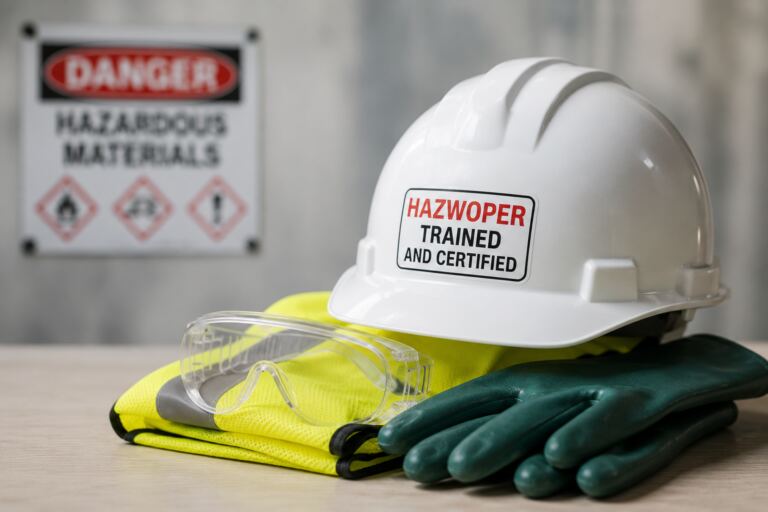
OSHA requires some workers to undergo hazmat training programs. Employees who work at facilities that treat, store and dispose of hazardous waste must take essential courses from an accredited safety training company to get certified. The same requirement applies to laborers and equipment operators and first responders who directly participate in cleanup operations of such materials.
Most businesses invest in Hazardous Waste Operations and Emergency Response (HAZWOPER) certification to comply with the federal agency’s standards. However, smarter enterprises recognize that proper training delivers value beyond regulatory compliance by protecting their organizations against risks and building a resilient workforce.
Raising Awareness to Avert Accidents
Awareness forms the foundation of HAZWOPER training, equipping employees who may encounter hazardous substance releases or spills during normal operations with essential knowledge. At this level, workers learn to recognize dangerous materials immediately while protecting themselves from exposure and alerting appropriate authorities without delay.
When incidents occur, a vigilant workforce helps prevent injuries and minimize property damage. Employees who respond correctly to hazmat emergencies help organizations limit financial losses from damaged equipment, production delays and potential lawsuits.
Trained workers can safeguard your company from reputational damage caused by negative press. They help prevent isolated incidents from escalating into public relations crises.
Teaching Correct Item-Specific Handling Practices
Dangerous goods require specialized training beyond general awareness, as the Department of Transportation (DOT) heavily regulates the transportation of hazardous materials to protect the public from poisonous and flammable substances.
Lithium batteries demonstrate why item-specific training matters. Shipping these dangerous goods by ground, air or vessel must comply with stringent regulations set by the DOT, the International Air Transport Association and the International Maritime Organization. It involves properly labeling and handling batteries with their dangers in mind.
Workers who complete training courses focused on specific hazardous materials can avoid errors and respond effectively when safety incidents occur. Mishandling dangerous goods disrupts supply chains and damages relationships with clients who depend on reliable service. A single transportation error can cost an organization its credibility with business partners who have little tolerance for safety lapses.
Preventing Environmental Disasters
Organizations that handle hazardous materials face increasingly strict regulations, and public sentiment strongly favors brands that demonstrate responsibility through their operations and emergency preparedness.
When incidents occur, basic hazmat training significantly reduces the impact on nature and wildlife. Employees who understand proper containment procedures prevent spills from reaching water sources, soil and protected habitats by deploying barriers, applying absorbent materials and implementing isolation protocols that protect ecosystems.
Companies that respond swiftly and effectively to contain releases earn public trust and positive recognition, differentiating themselves from competitors who treat protection as an afterthought rather than a core operational priority.
Building a Clear Command Structure
Effective on-site emergency management relies on company responder teams comprising individuals from facilities, security and reception departments, alongside employee emergency response team members. When roles and responsibilities are clearly defined, a strong command structure eliminates confusion during hazmat emergencies and enables faster, more coordinated responses.
Hazmat School offers certification programs for trainees with different emergency response roles. Its multilevel HAZWOPER training for first responders includes specialized preparation for on-scene incident commanders who need extensive training in general matters and command and management to oversee the whole team’s response.
The organization also offers hazard communication and Globally Harmonized System training for workers who frequently handle or work around chemicals. Trained employees help avoid mistakes common during chemical incidents, such as handling inert gas in confined spaces and disassembling the wrong equipment.
Your internal response team complements professional emergency services rather than replaces them. This cross-functional group aids safe employee evacuation and coordinates with hazmat technicians, firefighters, paramedics and law enforcement officers while providing important situational context that arriving personnel need to make informed decisions quickly.
Responding Decisively to Terrorist Attacks
Organizations that train employees in hazardous substance emergencies maintain better preparedness for terrorist attacks involving chemical agents, enabling their personnel to manage the effects of chemical warfare on civilian populations, such as acute and toxicological harm and long-term psychological trauma.
Hazmat School’s first responder certification program includes a dedicated module about terrorism that prepares students for extreme scenarios. The curriculum covers recognition of chemical weapons, protective measures and coordinated response protocols that become necessary when conventional emergency procedures fall short.
Frequently Asked Questions
Get your pressing questions about hazmat training courses answered.
Does every employee need the same level of HAZWOPER training?
No, every employee doesn’t need the same level of HAZWOPER training. The courses your employees should take must align with their roles.
What are the consequences if an employee has the wrong level of certification during an incident?
If OSHA discovers that an employee has the wrong level of certification during an incident, the consequences may include substantial fines and stop work orders. The scandal may also lead to the nullification of your workers’ compensation insurance coverage, depending on jurisdiction, policy terms and incident details. Additionally, it may expose your organization to possible civil and criminal lawsuits.
Is HAZWOPER training a one-time course, or does it require an ongoing commitment?
HAZWOPER training is not a one-time course and does require ongoing commitment. Credentialed employees must undergo annual refresher training to maintain certification.
Is online HAZWOPER training as effective and legitimate as in-person training?
Yes, online HAZWOPER training is as effective and legitimate as in-person training, provided that a company is authorized to issue official OSHA certificates and to prepare and deliver the content. Digital courses enable trainees to learn at their own pace, helping them manage their professional duties while completing the required certification.
Where should you look for top-rated hazmat training courses for first responders?
Hazmat School offers top-rated hazmat training courses for first responders. It has a comprehensive online HAZWOPER certification program and serves over 20,000 students each year.
Turning Preparedness into a Strategic Advantage
Comprehensive hazmat certification transforms regulatory compliance into a competitive differentiator. Organizations that invest in robust training programs protect their workforce while reducing operational risks and building reputational capital with stakeholders who value safety and responsibility. Flexible online certification keeps key personnel qualified without disrupting operations, positioning businesses to handle emergencies confidently while demonstrating the operational excellence that sets industry leaders apart.