
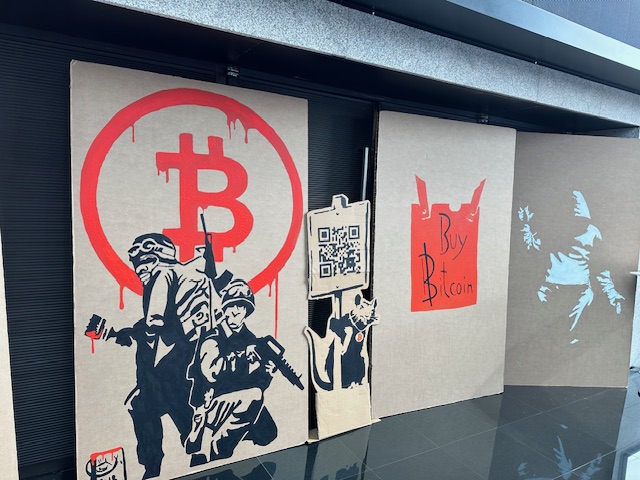
In early October, Bitcoin set an all-time high near $126,000. By mid-November, it had handed back the year’s gains and ducked below $90,000. A trillion-dollar swing in weeks is a headline even in crypto’s wild history. The latest downdraft looks driven by macro anxiety and leverage washouts rather than a single fraud event. Yet, the result is the same: bruised portfolios, thinner media coverage, and a sector asking hard questions about what still matters.
The retrenchment you can see
Two industry bellwethers tell a good chunk of the story. Blockworks shut its news division in late October, pivoting to data and distribution, a striking reversal for a newsroom that helped define the last cycle’s narrative tempo. At Axios, the dedicated Axios Crypto newsletter published its farewell edition on November 13 as its author, Brady Dale, departed, even as the outlet notes that it continues to cover digital assets on its core Business desk. Brady Dale will have his own SubStack newsletter focused mainly on the industry.
Meanwhile, Bitcoin’s slump since the October peak has pushed 2025 returns negative and rekindled the debate over whether BTC is a risk asset masquerading as a macro hedge.
What went wrong this time?
There are several reasons why crypto is cratering.
Let’s start with the fact that there is too much financialization, and not enough product. Spot BTC ETFs were a watershed, yes, but they also absorbed attention and flows into price exposure over usage. The market gained pipes into portfolios, not new reasons to open a wallet. Media and mindshare compressions are also fueling this next wave. When top-tier crypto newsrooms consolidate or shutter, discovery slows, scrutiny thins, and the sector loses oxygen. That is both a symptom of weaker ad markets and a signal that the broader story pipeline has narrowed.
Post-halving miner economics have turned sharply against many operators. The April 2024 halving cut the block reward, while network difficulty and competing hash power remain high, driving the “hash-price” (revenue per TH/s) down to multi-year lows. Faced with plunging unit economics, some miners are consolidating or pivoting entirely. For instance, Bitfarms (a publicly traded miner) has announced that it will gradually wind down its crypto-mining operations by 2026-27 and redeploy its power capacity into AI/HPC infrastructure. In short: the cost of securing the network (electricity, hardware, overhead) is increasingly colliding with the revenue stream.
Froth has drained from the long-tail. NFTs, altcoins, and smaller venues have seen activity and volume fade, and while some metrics pop week to week, the structural trend is down and to the right.
And let’s call out the biggest elephant in the room: AI stole the narrative, but for good reason.
Long Live AI
The capital cycle chases compute, models, and power. That has not killed crypto, but it has drowned it out. The same investors who once funded “onchain everything” now fund datacenters, grid interconnects, and inference. You can feel it in enterprise roadmaps, media slotting, and VC memos. Did crypto promise something only AI can deliver?
The answer is, partly. Crypto promised trust-minimized coordination, global rails, programmable money. Those are software problems with social adoption constraints. AI promised productivity right now: email drafts, code suggestions, image generation, and so forth. This collapses the “time-to-utility” gap, and let’s face it, the market rewards immediacy.
But equating the two is a category error. AI and crypto solve different layers: AI makes predictions, crypto makes commitments. AI can draft a contract, but it cannot settle it. AI can propose a payment, but it cannot guarantee finality or censorship resistance. That difference, while unsexy in a funding downcycle, is why certain crypto primitives keep compounding.
The parts we’re banking on
Stablecoins are becoming payment plumbing. Multiple industry reports this year point to sustained growth in real-world stablecoin usage and in the build-out of infrastructure by fintechs and payment processors. This is where “crypto” quietly becomes “just how money moves,” and where regulators can pick winners by clarifying rules.
Token exposure went mainstream. Love or hate the flows, spot BTC ETFs permanently slotted Bitcoin alongside stocks and bonds for a non-zero share of global portfolios, a structural change that survives monthly drawdowns.
Policy headwinds eased, not hardened. 2025 brought signals from prudential regulators that they were pulling back special-case restrictions on banks’ crypto activities. That removes a chilling effect, even if it doesn’t create demand on its own.
The next shoe to drop
If past winters were defined by outrage, this one feels defined by absence. Crypto didn’t explode this time; it evaporated. The hype cooled, the headlines thinned, the capital quietly drifted toward AI and infrastructure. Fewer podcasts, fewer pitches, fewer grand declarations of a new financial order. What’s left is a quieter, more revealing landscape: the industry stripped down to the parts that actually work, waiting for a new use case, a new story, or maybe even a new name. The question now isn’t whether crypto will return, but what form it takes when it does.
Which brings us to the next shoe to drop…
Let’s start with a mining shakeout, followed by recomposition. Expect a survival-of-the-cheapest-kilowatt dynamic, more HPC/AI pivots, and M&A once weak hands capitulate. Hashprice pressure is the catalyst.
Next up–and yes, even in an industry that once felt glitz-filled and fueled by breaking news every fifteen minutes–media consolidation will continue. Niche crypto verticals are giving way to cross-beat coverage at generalist outlets, data-driven products, and a handful of durable independents. Blockworks’ move is unlikely to be the last.
And that pressure isn’t limited to media; it’s beginning to reshape the market’s infrastructure itself. Exchange and broker consolidation is next: with volumes thinning and compliance costs rising, second-tier venues are likely to merge or exit, especially derivative-heavy platforms and regional players. The same structural forces squeezing miners and media are now pressing on trading venues, creating a market that’s starting to split in two. The “plumbing” is winning while the “speculation theater” shrinks. Stablecoin rails, custody, compliant issuance, and tokenized assets continue to expand, even as meme-beta and illiquid long-tails steadily lose relevance and market share.
So, is crypto dead?
The answer is not cut and dry. While crypto may not be “dead” per se, the mania is. The primitives are not. Media verticals can sunset, prices can round-trip, and yet the surviving use cases–instant settlement, bearer-native dollars, credibly neutral ledgers–keep digging into finance’s substrate. AI did not “replace” crypto; it simply outran it on visible utility. If 2017–2021 was about speculation-led adoption, 2026–2028 looks like plumbing-led absorption: fewer headlines, more merchant acquirers, more treasurers, more boring.
Investors should stop asking whether crypto is “back” and start asking which parts are becoming infrastructure, and how to price them when they no longer need a press release to prove they exist.