

Strong company culture and individual authenticity can coexist, but getting the balance right requires intentional strategy. This article presents practical approaches from industry leaders who have successfully built environments where shared values and personal expression reinforce rather than conflict with each other. Readers will find 15 expert-backed methods for creating workplaces that honor both organizational identity and the unique contributions of each team member.
- Codify Service Floor and Unleash Style
- Hold Conduct Lines Leave Identity Alone
- Personalize Recognition for True Impact
- Define Values and Recruit Diverse Talent
- Elevate Contribution Toward a Client First Ethos
- Adapt Communication to Reduce Burnout
- Assess Real Output Not Credentials
- Model Vulnerability to Foster Safety
- Build Mutual Trust with Practical Flexibility
- Set Guardrails and Welcome Fresh Perspectives
- Make Inclusion Operational and Measurable
- Invest in Growth Aligned to Goals
- Champion Unique Strengths and Creativity
- Drive Merit and Time Efficiency
- Spot Consensus and Seek Honest Dissent
Codify Service Floor and Unleash Style
Culture in a guest-facing business breaks when you confuse the floor with the ceiling. We codified our service standards from the Ritz-Carlton and Four Seasons playbooks—how we greet, how we recover a bad moment, how we close a session—and treat those as non-negotiable floor. We even operate on a “3 seconds to wow” rule the moment a guest walks in. Above that floor, our team has full latitude. What we deliberately do not standardize: tone, humor, and personal recommendations. The standard is “my pleasure,” not a script for what comes after it.
That shows up in hiring—we screen for warmth and curiosity, not hospitality resumes—and in our buildout. Going touchless with self-pour was partly a labor call: it frees our team from pouring beers so they can actually talk to guests and recommend a soak ritual. The signal we watch is repeat behavior and unprompted reviews. Guests almost always name a host. That tells us the floor is holding and the personality above it is landing.

Hold Conduct Lines Leave Identity Alone
My approach rests on one distinction. Culture governs how we treat each other and the work. It does not govern who people are. Many companies confuse the two and end up with compliance instead of culture, a team that dresses alike and talks alike and quietly disengages. We hold hard standards on the few behaviors that affect other people. Commitments are kept or renegotiated early. Disagreement happens in the open, before the decision, not after it. Every task has an owner so nobody is blamed for expectations they never saw. Outside of those standards, individual expression is not just allowed, it is the point. I want the skeptic who challenges the plan and the quiet analyst who works nothing like I do, because uniform teams make uniform mistakes. The balance is not a tension to manage. Hold the line on conduct, leave identity alone, and the culture gets stronger as the people get more different.

Personalize Recognition for True Impact
Something I’ve found to be super impactful when it comes to creating a strong company culture is prioritizing employee recognition. At the same time, I’ve also come to learn that recognition is most impactful when you aren’t doing the exact same thing for each person. Not only can that start to feel inauthentic, but individuality leads to people having vastly different preferences for being recognized. While one person may be super outgoing and love to get a shout-out for their hard work in a team meeting, another person may hate that kind of attention and instead prefer a personal note. I’ve found that by being intentional about learning about how everyone’s individuality influences how they prefer to be recognized, our company culture can still prioritize recognition while also honoring everyone’s differences.

Define Values and Recruit Diverse Talent
I balance strong culture with individual expression by being very clear about our core values, then giving people room to show up in their own way within that shared standard. At nerD AI, we start in hiring with a structured, bias-aware process that looks for skills and potential while also ensuring we are bringing in diverse backgrounds and perspectives. We reinforce that foundation with ongoing training and workshops on inclusion and communication, so differences are understood and respected, not smoothed over. The goal is a workplace where people feel safe to share ideas and challenge assumptions, while staying aligned on how we work together and what we are building.

Elevate Contribution Toward a Client First Ethos
Personal injury cases depend on people with very different expertise. Attorneys evaluate liability, develop legal strategy, and negotiate or litigate when necessary. Intake specialists are often the first to speak with someone after an accident. Case managers help keep treatment and client communication moving. Records teams gather the documentation that supports a claim. Technology, operations, and other support teams work behind the scenes to improve how information moves throughout the firm.
I do not expect those professionals to approach problems the same way because their responsibilities are fundamentally different. What matters is that every role contributes to helping the client move closer to a successful outcome.
That’s one reason I like our emphasis on contribution rather than personality. Someone may make the biggest impact through legal analysis. Someone else may identify a workflow improvement that saves time across hundreds of cases. Another person may build stronger relationships with clients during a difficult period in their lives. Those contributions look different but they all strengthen the organization.
Maintaining culture is not about encouraging everyone to think alike. It’s about creating an environment where different skills, experiences, and perspectives all contribute to the same client-first standard. When that happens, employees have the freedom to do their best work while clients receive a consistent experience from the first conversation through the resolution of their case.
Adapt Communication to Reduce Burnout
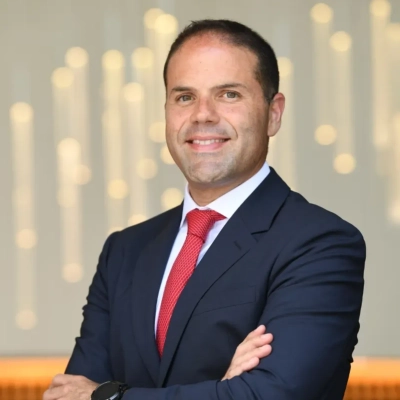
To provide both a solid organizational culture and give space for each employee to express themselves, we need to be extremely flexible in how we communicate as leaders. Our company’s core culture is very structured and very accountable; therefore, I adapt the way I personally communicate with our administrative staff based on each coordinator’s preferences. The way some prefer me to communicate, they want it to be very short and very straightforward, while other staff members would much rather receive many details about what I am asking them to do and have a check-in process where we work together.
By acknowledging and honoring this difference in communication styles, we are able to reduce or eliminate all forms of burnout at the office by reducing all stress related to the workplace. As well, having a balance allows us to create a culture that is highly structured and productive and yet allow for diversity among our employees. Therefore, I feel confident in saying that our company will continue to run efficiently and smoothly in the years ahead with our current structure.

Assess Real Output Not Credentials
I balance a strong company culture with individual expression by hiring for demonstrated work rather than credentials. For our outreach roles we eliminated resumes and use a paid assignment that mirrors real client work, so candidates are evaluated on what they actually produce. That practice removes credential competition and encourages respect for individual contributions from day one. As a result, people bring their unique perspectives while the team stays aligned around clear, performance-based standards.

Model Vulnerability to Foster Safety
I balance a strong company culture with individual expression by building psychological safety through leadership modeling of vulnerability and trust. I regularly acknowledge my own limits and discuss mistakes openly, focusing on root causes rather than blame. I encourage people to ask for help, delegate authority without micromanaging, and give teams autonomy to express themselves. We keep open feedback channels so differences are surfaced and resolved constructively, which lets belonging and individual voice coexist with a cohesive culture.

Build Mutual Trust with Practical Flexibility
Culture and individuality work together when you build flexibility into how the work gets done. At DoJiggy, our team describes the culture as collaborative and supportive, but that only means something if it shows up in daily decisions, not just in how we talk about ourselves.
One example I think about often is one of our key support team members who is also in a band. Every first Friday, he leaves early for a regular gig, and the rest of the team covers for him without it being a thing.
That arrangement works because the trust runs both ways. He has been with us for ten years, and he is fully available when something urgent comes in on a weekend, because the company made room for what matters to him outside of work.
A strong culture sets the values everyone shares. Individual expression is what people do inside those values, and protecting space for both is what keeps good people around for the long haul.

Set Guardrails and Welcome Fresh Perspectives
A healthy culture isn’t built by hiring people who are all alike. It’s built by giving different people a shared purpose and the psychological safety to contribute in their own way.
For me, a strong company culture doesn’t necessarily mean everyone has to communicate and work the same way. At MBN, our approach is to define a small set of non-negotiables:
– how we treat clients
– how we collaborate, and
– how we hold ourselves accountable
Beyond those shared expectations, we intentionally avoid creating a “culture fit” mindset that pressures people to conform.
We prefer to focus on “culture add,” encouraging employees to contribute ideas and experiences that strengthen the team.
As the person leading HR, I also believe managers play a critical role in striking this balance. We coach our leaders to adapt their communication and feedback styles to individual team members instead of expecting everyone to respond the same way.

Make Inclusion Operational and Measurable
I balance a strong company culture with individual expression by treating inclusion as a core, operational priority rather than a checkbox. From day one, onboarding shows new hires how inclusive client intake and collaborative decision making are embedded into daily work. Those practices are tied to operational metrics so cultural expectations are clear and actionable without suppressing different perspectives. As CEO I insist this approach withstand external pressures so the culture stays consistent while people feel free to contribute their unique views.
Invest in Growth Aligned to Goals
I balance a strong company culture with individual expression by anchoring culture in meaningful work and clear growth priorities while giving people room to follow their own development paths. We invest heavily in continuous learning and development and provide regular access to courses, workshops, and industry conferences so employees can pursue skills that reflect their interests. That approach lets individuals express differences through the projects and expertise they choose while everyone remains aligned to shared goals. It also reinforces that the company values contributions and long-term professional growth.

Champion Unique Strengths and Creativity
We champion individual expression and differences. I firmly believe that the stronger the individuals, the stronger the team. The teams that are the most well-rounded and forward-thinking are the ones where each individual person is free to be who they are and can lean into their specific, unique strengths and perspectives. We make sure that we encourage our employees to be themselves—to take on projects that excite them, to pitch their ideas, to be creative, etc.

Drive Merit and Time Efficiency
Ownership is very intentional about communicating and embodying the company’s merit-based culture. Our company culture values efficient use of our client’s and team’s time. Through our flat management structure, we maintain constant points of communication, encouraging each team member to contribute their thoughts and values. We avoid wasting time on unnecessary redundancy. We are nimble and make quick decisions where needed. We include only necessary stakeholders in meetings, keep track of responsibilities, and ensure each team member’s time is spent where needed. At the same time, we foster open communication with management. We communicate transparently internally and externally about expectations and results.

Spot Consensus and Seek Honest Dissent
Most people who appear to fit the culture perfectly are simply very skilled at masking their thoughts.
For example, I have worked with employees for several years who carefully monitor every word they say before meetings because they are afraid of saying something in passing that could be perceived as non-team-oriented.
This was not an example of aligning themselves with the culture; this was an example of fear dressed up like a corporate value.
Today, given all the various companies that publish their values statements and cultural decks, there has never been greater pressure on employees to demonstrate that they belong (to the culture) rather than to feel it.
I have seen the anxiety created by these pressures grow slowly over time until it erupts into either burnout or a surprise resignation by someone nobody expected.
I think leaders need to look for the employee who agrees with everything.
The lack of vocal dissent is usually the first indication that some form of suppression is taking place.