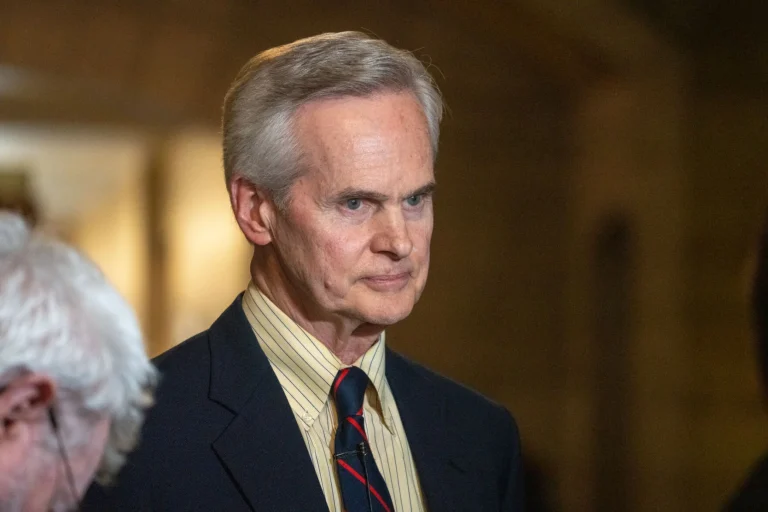
Nebraska Auditor’s Concerns Turn toward the wider $234 million North and South Omaha Recovery Grant Program after Auditor Mike Foley reviewed a $1.2 million award to the Nebraska Startup Academy. Foley said the investigation raised questions about oversight across the larger initiative, though he said no other investigations were currently in motion.
“Intuitively, you gotta say there’s more here,” Foley told the Nebraska Examiner. “We’ve got to dig deeper.” The Nebraska Examiner report said the North-South program was managed by the Nebraska Department of Economic Development, which is facing staffing challenges as it monitors grants.
Auditor’s Concerns Turn to Broader Oversight
Foley’s office began examining the academy after concerns were brought to it. Roughly 130 entities received parts of the North-South grant funding in January 2024. The program was intended to support communities affected by the 2020 pandemic, with spending due by the end of 2027.
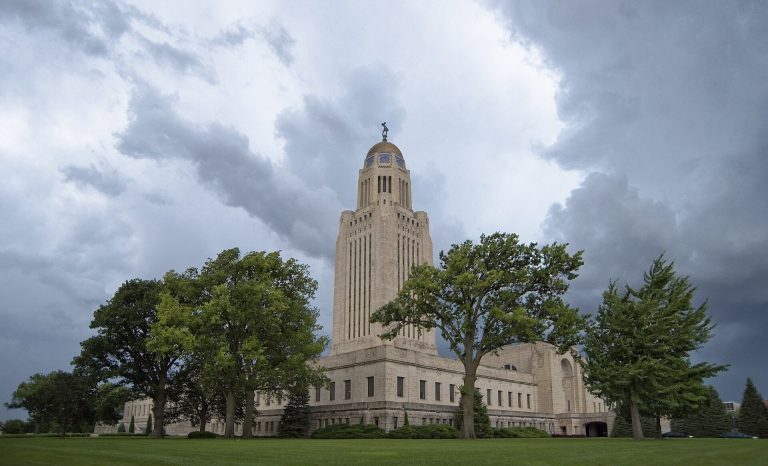
Foley’s team presented an 11-page analysis to DED Executive Director Maureen Larsen. The state agency suspended the academy’s contract and its remaining $313,000 in grant funds that same day. The auditor’s team said its findings merited corrective action but did not require a more comprehensive financial audit.
The analysis cited unmet job milestones, commingled funds, potential conflicts and salaries. It reported $387,126 paid over two years to the executive director, $268,840 to the entrepreneurship director during 2024-2025, and $79,000 to each of two board members.
Job Counts and Reporting Disputes
The academy’s grant application said it would “directly help create and support 60 new startups” and anticipated more than 300 full-time jobs within three years. The auditor team said the academy later resubmitted forms showing 42 fewer jobs than it had originally reported to DED. Foley said amended reports listed two direct jobs and two indirect jobs created over two years.
Executive Director Charlie Cuddy said the figures changed after DED revised its reporting guidance. He said DED later narrowed the count to people paid by the grant.
“We’ve had so many different people to work with at the DED and they’re all amazing in their own ways, but I just think there was no clear direction,” Cuddy told the Examiner. He said the academy remained committed to resolving outstanding matters with the department.
Cuddy said the academy learned of the probe when the letter arrived. He said it had received no reimbursements since last December. The academy said the findings did not establish intentional misuse of public funds or fraud.
Potential Conflicts and Other Suspended Grants
Foley and DED cited potential conflicts that they said had not been disclosed. The four academy administrators also held leadership positions in Move Venture Capital, and DED cited overlap between startups supported by the academy and companies in which Move had invested. Foley said the state should prevent even the appearance of impropriety in public spending.
The academy said it would provide documentation. Established in 2022, it said its statewide platform served more than 750 entrepreneurs, including more than 80 from North and South Omaha ZIP codes.
Another North-South recipient, Fallen Giant Films, also had its contract suspended over alleged mismanagement. Its founder, Randy J. Goodwin, continued to dispute DED’s handling of the remaining $5 million grant. Before funds were frozen, the state had disbursed nearly $3.4 million to the venture.
A DED spokesman said no other North-South recipients were under formal suspension. He said the department could disallow costs, terminate contracts or recoup money, while seeking corrective steps that caused the least harm. DED said it planned to strengthen its procedures and training.
The grant oversight questions echo other coverage of a company facing federal oversight, a business leader facing allegations and leadership under scrutiny. Foley said he believed oversight pressures and a state government downsizing push had combined into a “perfect storm.” He ended with a question about public grants: “When you write those checks, what really happens next?”