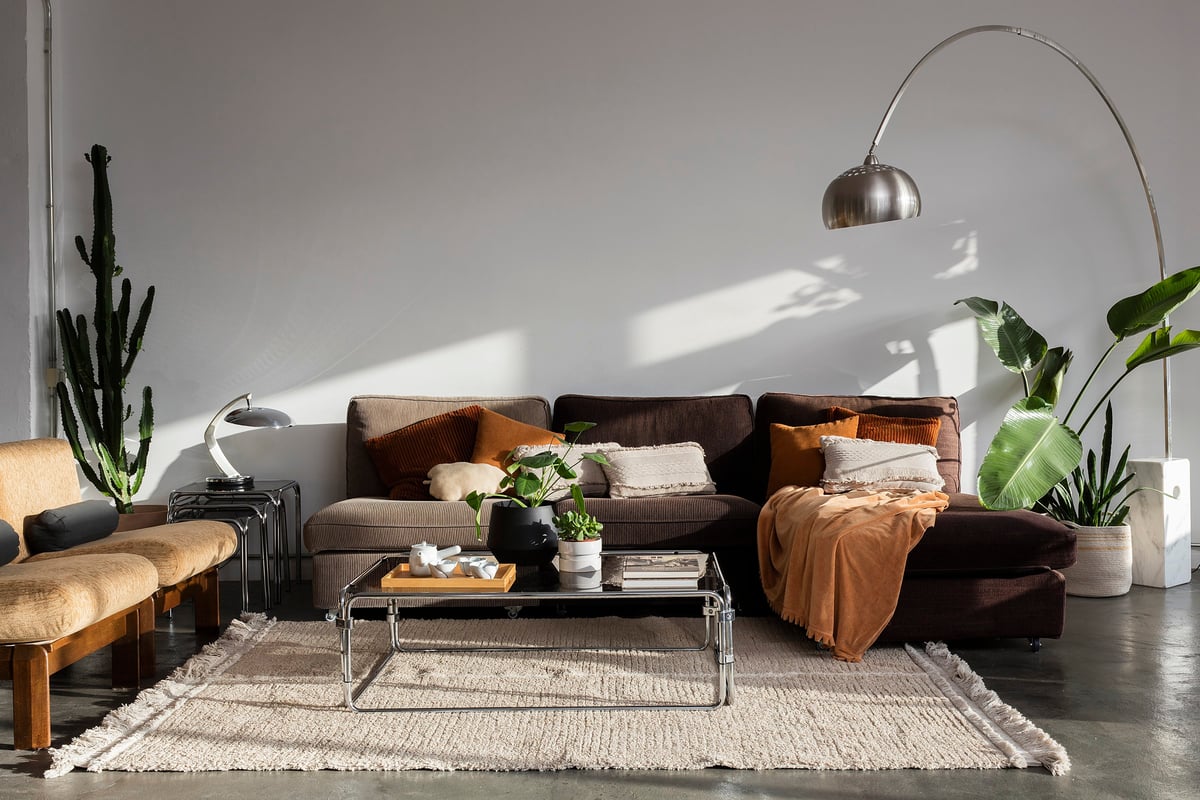
This Earth Day, sustainability in the home is starting to look less like a design statement and more like a subtle shift in priorities.
Across the home category, consumers are moving away from fast décor swaps and toward what designers are increasingly calling “quiet green” choices. These are pieces defined by natural materials, longevity, and versatility. Instead of seasonal décor cycles, homeowners are investing in elements that can evolve with their space over time.
One of the most visible places this shift is happening is underfoot.
Rugs, once considered quick style updates, are becoming foundational design choices. Natural fiber rugs, in particular, are emerging as a cornerstone of this more thoughtful approach to home styling.
At Rugs Direct, search and sales patterns reveal a growing preference for rugs made from natural materials such as jute and cotton, as well as washable constructions and versatile designs that can adapt across rooms and seasons.
Together, these trends point to a broader shift in how consumers are thinking about sustainability, functionality, and long-term design.
The Rise of Texture Over Gloss
One of the defining characteristics of quiet green design is the return of tactile materials.
Designers report a strong movement away from high-gloss finishes and synthetic surfaces toward braided jute, handwoven cotton, and matte natural textures that bring warmth and subtle depth to a space.
Pieces like the Beatrice Fiona Natural Jute Braided Area Rug by Rajani Home exemplify this approach. Made from renewable plant fibers, braided jute rugs offer organic texture that complements a wide range of interiors while maintaining a grounded, understated aesthetic.
Rather than dominating a room visually, these rugs act as quiet anchors that enhance the overall atmosphere.
Sustainability Without Sacrificing Performance
While sustainability is clearly influencing design choices, consumers are not abandoning practicality.
Shoppers today still expect durability, easy care, and everyday performance from their home furnishings. Washable rugs and resilient natural fiber constructions remain major decision drivers, particularly for families and pet owners.
This balance between eco-conscious materials and functional design reflects a broader shift in consumer expectations. Sustainability is increasingly viewed not as a compromise but as part of smarter product design.
The Influence of Outdoor Living
Another factor shaping the quiet green movement is the growing influence of outdoor living on interior spaces.
As homeowners look to recreate the calming qualities of nature indoors, earthy palettes and organic materials are gaining momentum. Colors such as sand, moss, clay, and soft oat tones are becoming staples across rugs, textiles, and furniture.
These tones work particularly well with natural fiber pieces, reinforcing the sense of calm and continuity that many consumers are seeking in their homes.
Accessories are following suit. Textural accents like the Hollis Sabine Natural Jute and Cotton Handmade Pillow by Rugology reflect the same fiber-forward philosophy, adding depth and softness without overwhelming a space.
Why Small Sustainable Swaps Matter
For many households, sustainability can feel overwhelming when framed as a complete lifestyle overhaul. The quiet green design movement offers a more approachable alternative.
Instead of large-scale renovations, consumers are starting with smaller, practical updates. Rugs and textiles are often among the first changes because they are relatively accessible, visually impactful, and easy to incorporate into existing spaces.
A natural fiber rug can introduce organic texture, soften a room’s palette, and reinforce a sense of calm without requiring a full redesign.
These incremental decisions are helping reshape the way homes evolve.
A More Thoughtful Approach to Home Design
What makes quiet green design notable is not just the materials involved, but the mindset behind it.
Consumers are increasingly prioritizing fewer, better pieces that offer longevity, versatility, and subtle beauty. Natural fiber rugs, with their durability and timeless texture, fit neatly into that philosophy.
As Earth Day continues to inspire conversations about sustainability, this quieter approach to home design suggests that the most meaningful changes may be those that blend seamlessly into everyday life.