As in-person events surge back in 2026, a new frontier of innovation is emerging—not in how events are produced, but in how human connection itself is designed.
More than 86% of organizers plan to maintain or increase in-person events, while 70% expect meeting volume to rise by as much as 20%. Attendees are following suit, with over half planning to participate in more events than last year. After years of digital fatigue, the demand for face-to-face interaction is stronger than ever.
But as this resurgence accelerates, so does a realization: the way we design these moments hasn’t evolved at the same pace as the technology around them.
That gap is exactly what Moots was built to address.
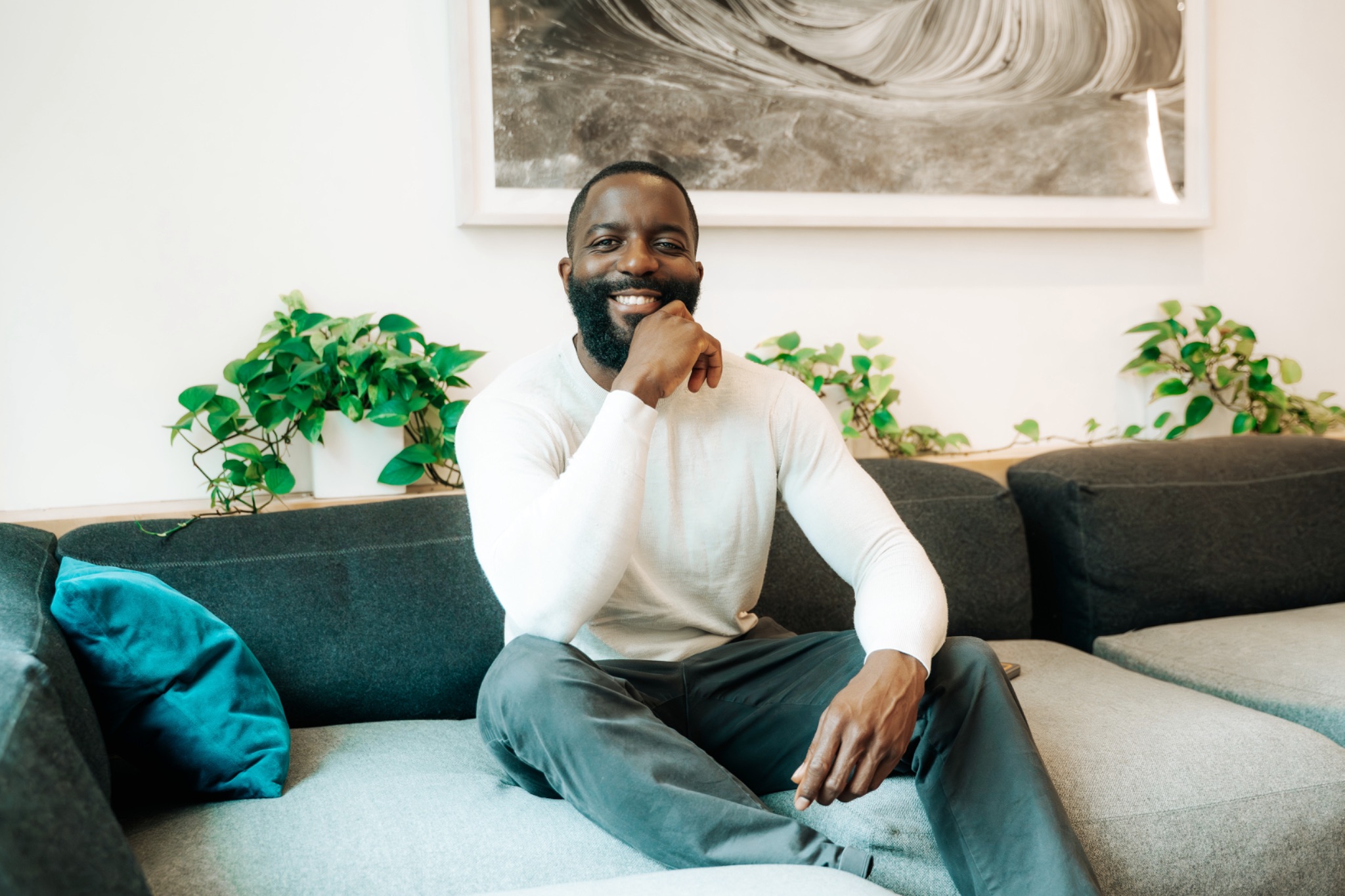
Founded by Tonje Bakang, Moots is pioneering a new category of AI known as “guest intelligence”—an emerging layer that applies data and machine learning to one of the most human aspects of business: who meets whom, and why.
“For decades, events have been built on instinct,” says Bakang. “But now, we have the ability to design those interactions more intentionally, without losing what makes them human.”
Traditionally, corporate events, from executive dinners to global summits, have relied on intuition. Guest lists are curated manually. Seating arrangements are often based on familiarity or hierarchy. Conversations unfold organically, with success left largely to chance.
That approach has worked, but not always efficiently.
As companies invest more heavily in in-person experiences, many are beginning to recognize the untapped opportunity within the room itself. Industry estimates suggest that 15–25% of event budgets may not fully translate into meaningful outcomes, not because of production issues, but because the right connections don’t always happen.
Moots is rethinking that equation.
Rather than operating as a traditional event platform, Moots functions as an intelligence layer on top of the guest list. By analyzing attendee profiles, existing relationships, and individual objectives, the platform helps match guests, optimize seating, and generate real-time insights for hosts.
The goal: transform events from passive experiences into engineered environments for meaningful interaction.
“Events don’t fail on production…they fail on alignment,” Bakang explains. “If the right people aren’t in the right conversations, the value never materializes, no matter how well-executed the experience may be.”
The company’s approach reflects a broader shift in how AI is being applied across industries. While early waves of AI focused on automation and efficiency, the next phase is increasingly centered on decision-making and optimization, helping people make better choices in complex, high-stakes environments.
In many ways, events represent one of the last untouched frontiers of that shift.
Organizations already hold vast amounts of data about their customers, partners, and networks within CRM systems. Yet when those same individuals come together in person, that intelligence is rarely activated. The opportunity to bridge digital insight with real-world interaction has remained largely untapped.
Moots is working to close that gap, turning static relationship data into actionable insight in the moments where it matters most.
Beyond improving efficiency, the implications are broader. As events become more curated and intentional, they are also becoming more valuable, not just as experiences, but as strategic environments for relationship-building and growth.
That evolution is changing how success is measured. Instead of focusing solely on attendance or engagement, companies are beginning to look at metrics like connection quality, relationship strength, and post-event outcomes, from meetings booked to deals advanced.
It also raises an interesting question: what happens to serendipity?
For many, the magic of in-person events lies in the unexpected, the chance encounter that leads to something bigger. But Bakang sees it differently.
“Serendipity isn’t about randomness,” she says. “It’s about increasing the likelihood that the right moments happen.”
As AI continues to move into more human-centered domains, Moots is positioning itself at the center of a new conversation: not just how technology powers business, but how it shapes human connection itself.
And as in-person events continue their rapid return, the opportunity is clear, not just to bring people together, but to do so with greater intention, insight, and impact.
In that sense, the future of events may not just be about showing up.
It may be about who you meet when you get there—and how intentionally that moment was designed.