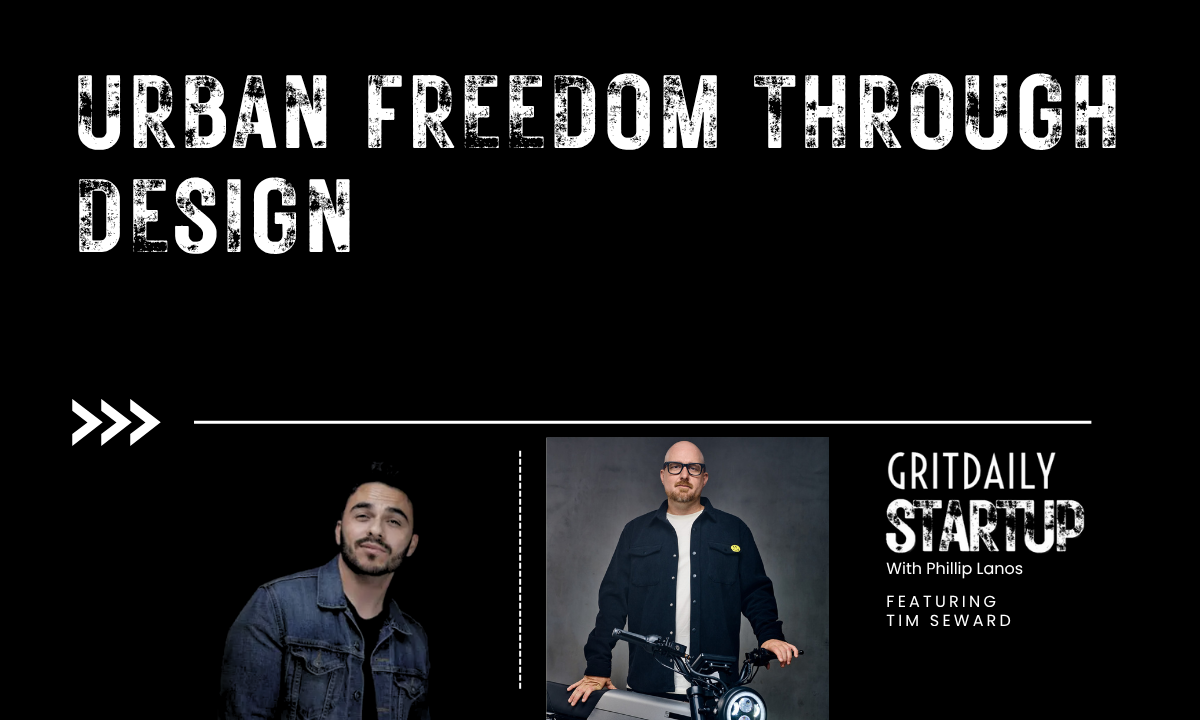
In an era where mobility is rapidly evolving, few designers have captured the spirit of freedom and culture in motion quite like Tim Seward, Chief Design Officer of ONYX Motors. Known for creating electric mopeds that feel as much like cultural statements as they do vehicles, Seward is helping shape the future of urban transport — one nostalgic, high-voltage ride at a time.
At the heart of ONYX Motors lies a belief that transportation can be more than functional — it can be emotional, expressive, and deeply personal. Seward, a lifelong tinkerer and industrial designer, channels decades of curiosity and craftsmanship into each ONYX bike. His fascination with vehicles began as a child in the 1980s, when BMX bikes, dirt paths, and handmade ramps defined his early adventures. The sense of freedom he experienced then — exploring neighborhoods, building jumps, and riding with friends — remains a defining influence on ONYX’s design philosophy today.
That childhood wonder evolved into a professional pursuit. Before ONYX, Seward worked on design projects for industry giants such as LG, Samsung, and HP, experiences that sharpened his understanding of form, function, and user experience. Yet consumer electronics, as he explains, lacked longevity — products were designed for short life cycles. With ONYX, he set out to build something different: a vehicle that could last for generations, adaptable and repairable by its owners, and infused with a sense of timeless style.
The result is the ONYX RCR, an electric moped that has become an icon of modern mobility. Its retro-futuristic aesthetic nods to the golden age of mopeds from the ’70s and ’80s, while its technology rivals that of contemporary electric vehicles. The RCR operates on an 80-volt system, delivering higher torque and speed than most e-bikes on the market. A built-in Android Auto display allows riders to navigate, listen to music, and take calls — all while remaining focused on the road. Its CAN bus system ensures that every component communicates seamlessly, alerting riders to potential issues just as a car’s onboard computer would.
Beyond its power and intelligence, ONYX’s design ethos revolves around openness and creativity. Every panel on the bike is removable and replaceable, encouraging owners to customize colors and finishes to match their personal taste. Firmware updates allow new features and performance enhancements to be added over time — an unprecedented level of evolution in a two-wheeled platform. For Seward, that openness is essential. ONYX’s bikes are not sealed consumer products; they’re living canvases meant to be explored, modified, and shared.
That spirit of exploration — embodied in the brand’s original tagline, “Get Lost” — is central to ONYX’s cultural appeal. Seward describes the experience of riding as a rediscovery of childhood freedom: the same sense of adventure once felt with a skateboard, a BMX bike, or a group of friends venturing beyond the neighborhood. It’s no surprise that ONYX has become a magnet for creators and influencers, from filmmakers and musicians to tech enthusiasts who see the moped as both a tool and a lifestyle accessory.
Under Seward’s leadership, ONYX has also embraced community as a design principle. The brand’s bikes integrate seamlessly with communication headsets from companies like Sena and Cardo, enabling riders to stay connected during group rides — sharing directions, music, and conversation in real time. This merging of mobility and social interaction has turned ONYX from a product into a movement, one that’s spreading across cities where traffic and isolation too often define daily life.
Seward’s journey from San Francisco to Los Angeles has influenced his perspective on how mobility connects people to their environment. In Los Angeles, where sprawling streets and open skies invite exploration, ONYX feels right at home. From the company’s Frogtown headquarters — a creative hub nestled beside a café and the LA River bike path — visitors can take free test rides, winding past Dodger Stadium or through the city’s hidden hills. For many, that first ride is transformative, reframing how they see urban space.
Behind the design and engineering triumphs lies a story of persistence and practical entrepreneurship. Seward’s early experience running a skateboard company prepared him for the complex logistics of building a global brand — from sourcing components across continents to managing U.S. assembly operations. He approaches business decisions with the same disciplined creativity he brings to design: mapping out possibilities, testing assumptions, and allowing instinct to guide him toward elegant solutions.
For Seward, design is not just about making objects — it’s about shaping experiences that last. His approach to entrepreneurship mirrors the design process itself: research, experimentation, refinement, and iteration. It’s a philosophy that balances innovation with emotional resonance, technical precision with cultural meaning.
Looking ahead to 2025, Seward’s vision is simple but powerful: to get more people smiling on ONYX bikes. He believes electric mopeds can transform urban life — reducing stress, eliminating the search for parking, and rekindling the joy of the commute. The ONYX experience is as much about rediscovering play as it is about redefining transportation.
For those curious to experience it firsthand, ONYX Motors invites riders to its Los Angeles showroom for a test ride. Whether it’s a solo escape through city streets or a shared adventure with friends, Seward’s creation offers something rare in modern mobility: a chance to get lost — and in doing so, to find freedom again.
Want more Grit Daily Startup Show? Take a look at past articles, head over to YouTube, or listen on Apple Podcasts or Spotify.