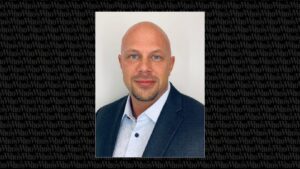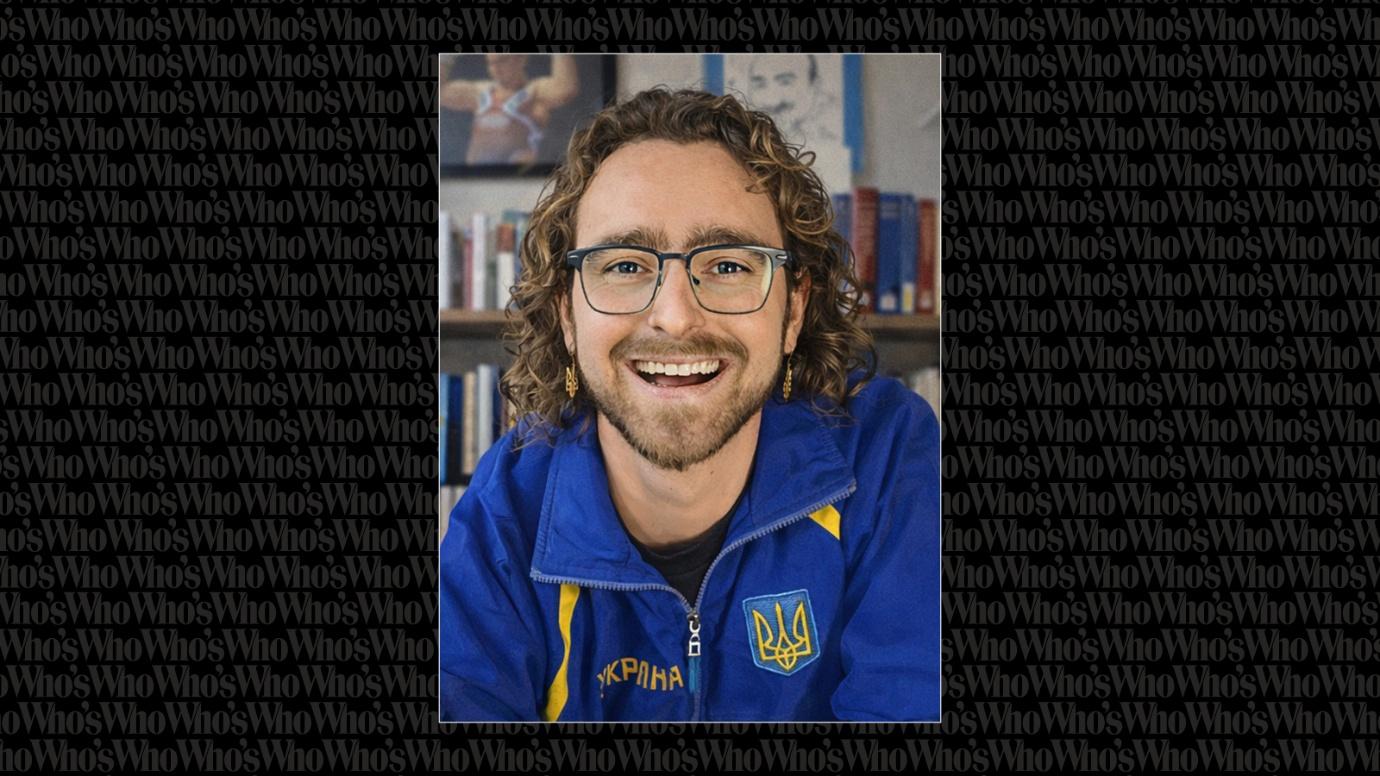
As generative AI and language technologies reshape education, health care, and public life, linguists now play a vital role in guiding how these systems interact with real people. Their work draws attention to identity, access, and trust, all while ensuring that technology reflects human experience rather than erasing it. Dmitry Tereshenko, a linguist-trained systems thinker, centers compassion and clarity in everything he builds.
Tereshenko describes his philosophy simply and with intention. “I like to design for authenticity and develop for resiliency.” That idea guides his work in language analytics, ethical AI, and inclusive system design.
From Gymnastics to Linguistics
Before language shaped his career, athletics shaped his discipline. Gymnastics defined Tereshenko’s early life and family identity. “Gymnastics was a family inheritance as much as it was a sport,” he says. “Both of my parents are gymnastics professionals with their own specializations, my father was an Olympic representative for Ukraine in the 1980 Olympics, and gymnastics (along with their love for animals) was what united them before they shared a common language.”
For years, Tereshenko expected to remain in that world as a coach. “I truly thought gymnastics would be my life path,” he says. However, a catastrophic injury changed everything. He landed on his neck during the very event in which he medaled 5th in the nation: vaulting. This injury led to a further discovery of a lower back fracture that had gone unnoticed for several months prior to the accident. “That moment made me reimagine my entire direction and reflect on the human cost to high-performance,” he explains.
The injury became a turning point. It pushed Tereshenko toward education and reinvention. Linguistics soon became his entry point into understanding complex systems. “I fell in love with how language carries meaning, survival, and cultural ramifications,” he says. “It showed me how people move through institutions and must negotiate their sense of agency and identity in complex fashions.”
Tereshenko earned a master’s degree in linguistics from Georgetown University and graduated summa cum laude from the University of North Carolina at Charlotte, where he was a Levine Scholar, challenged with upholding the program’s core principles of intellectual curiosity, academic excellence, and civic leadership. “Language shapes identity and influence,” he says. “I study it so systems become clearer, more honest, and more humane.”
Bridging Language and Generative AI
Tereshenko does not come from a traditional engineering background. He entered the field of AI through the lens of meaning, interpretation, and communication. “I did not come from a traditional computer science background,” he says. “But linguistics maps directly onto some of the hardest problems in generative AI, particularly as we see the use of scaling throughout both the private and public sectors.”
His focus always returns to human impact. “I work where language meets action and where values meet systems,” Tereshenko says. “That is where outcomes often fail quietly if people, organizations, and their leaders are not paying attention.”
This perspective keeps Tereshenko’s work mission-driven. “When I develop language models, I design for the humans in the loop,” he says. “I also plan for edge-case scenarios because real people often live in those spaces – if we understand pain in these spaces before it becomes chronic, then we are graced with the opportunity of enabling individuals to thrive, rather than contributing to the apathetic disablement of folks in need.”
Advocacy Shaped by Lived Experience
Tereshenko identifies as neurodivergent and speaks openly about disability and access. He cares deeply about divergent neurotypes and prioritizes cognitive equity in every aspect of his work. “When designers craft pathways for people with neurological needs at the extremes, empathy grows across the entire system,” he says, “and we begin to see holistically nurturing environments that increase access to all.
His values stem from family. “My mother taught me (whether in the gym, or on horseback) that autistic people matter,” Tereshenko says. “She modeled protection and advocacy long before I even had language for what that meant, all while instilling in me a spark to always see people for their true and authentic potential.”
In the world of disability advocacy, Tereshenko also speaks often about identity and voice. He believes unheard narratives still hold power. “Just because someone’s story is not being amplified does not mean it lacks value. That truth continues to guide my work.”
Beyond the Brace
Tereshenko plans to publish a book titled “Beyond the Brace.” The title references the brace he wore after breaking his back, but its meaning extends far beyond injury. “It represents becoming more than what trauma, systems or bureaucracy try to confine you to,” he says.
The book will reflect upon Tereshenko’s larger message about the power of misalignment and the necessity for developing compassionate and sustainable counter systems, as he believes many challenges do not stem from a lack of intelligence. They come from gaps between language landscapes, pragmatic pathways of action, and disjointed value systems that prioritize performance over care. Most of all, Tereshenko wishes to spread the legacy of compassionate coaching handed down to him by his parents and help others learn to fall with grace.
In the meantime, Tereshenko is cultivating the roots of “Beyond the Brace” through a podcast, recognizing that his lessons could serve a much wider audience than just elite-level athletes.
Looking Forward: Designing Systems That Deserve Trust
In accounting for his success, Tereshenko credits not only his mother, whose health care journey he is supporting through crowdfunding, but also his experiences in the world of gymnastics. The philosophy of not letting one’s falls define who they are was modeled by both of his parents, in and out of the gym, and left an indelible mark on his career, long after he was forced to find a new path forward.
Today, Tereshenko describes himself as a resilience engineer in the human sense. He focuses on building systems that remain trustworthy in real-world use and in the face of human complexity. He continues to advocate for ethical generative AI, inclusive language, and compassionate consulting practices.