Human-centered tech in a post-hype, post-scale era
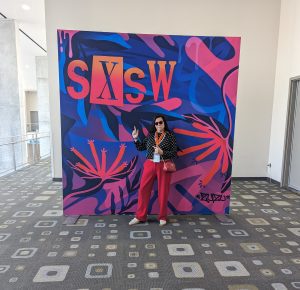
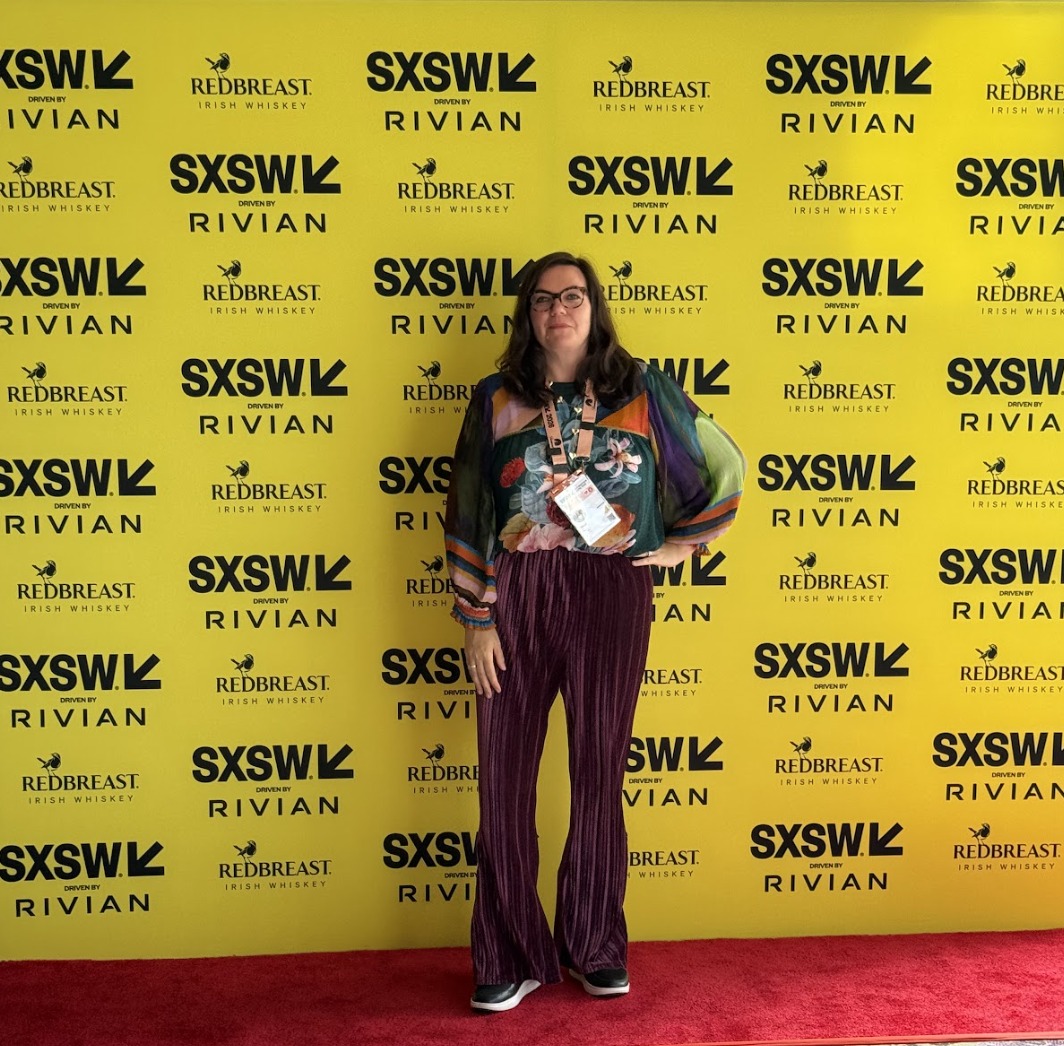
SXSW 2026 felt different than usual, but no two years are ever the same. This was my 20th year attending the conference, and I have never seen the center of gravity shift quite like this. With the Austin Convention Center offline (a hole in the ground) and the festival pushed out into the streets and random hotels, SXSW became more of a sprawling thunderdome than a conference. It’s never been a ‘conference’ but rather an experience- a summit of the world’s top internet marketers. The Innovation track reflected a big shift, there were multiple panels cautioning brands to ‘stand out’ and that LLMs are our new gatekeepers. Your competitive advantage is to make people ‘feel something’ was an actual line from an actual panel. In some ways, SXSW traded flash for depth and leaned hard into the actual applications of technology rather than announcing the technology itself. Across Tech and AI, Cities and Climate, Health, Startups, and the Creator Economy, the throughline was clear. Innovation is growing up, which was signaled by the subtle changes from ‘interactive’ to innovation. Even the speaker badges went from saying “speaker” to “contributor” which was also interesting.
One very weird but interesting thing I noticed was how many ‘ads’ were on the ground vs. the customary bus stops or walls or street lamps. I suppose this is because we’re all on our phones all the freaking time, so by putting things like the “Epstein walk of shame” on the ground, perhaps people were more likely to see it. Charley Crockett with his true cowboy retro fashion flair was splattered on pretty much every sidewalk of the conference. Failing that there were huge buy-outs spanning multiple floors of hotels along the skyline for Land Man and other Paramount shows. I suppose this was to be caught in the background of everyone’s selfies?
From a futurist lens, we are no longer asking what is possible. We are asking what is responsible. AI conversations have matured rapidly and it’s become the subheading of all the things, not the heading. Human-centered AI dominated, with a focus on ethics, explainability, and real-world deployment. This was not about speculative demos. This was about systems that are already shaping biology, robotics, and scientific discovery. AI writing DNA. Reinforcement learning moving into physical environments. The rise of what many are calling physical intelligence signals that AI is no longer confined to screens. It is embedded in the world around us. The core question has shifted to what AI should do and who gets to decide. Who owns the inputs and outputs? This is the new AI governance era. Integration and trust are now the differentiators, but I would also argue we’re now living in a low trust society.
At the same time, the most powerful insight across the entire Innovation track was deeply human. I’ve never seen so many sessions about branding. Storytelling has become the new competitive advantage. In a world where AI can generate infinite content, authenticity becomes scarce and therefore infinitely valuable. “Don’t use AI to write your LinkedIn posts” said one speaker, “people will know.” YEs, yes we will. Founders, creators, and brands are all recalibrating around this new idea of being ‘real’ which is sort of hilarious, but it’s also refreshing. The best ideas are not just built by an LLM that tallies the average of everything. Across startup pitches, marketing conversations, and creator economy sessions, the signal was consistent. Genuine beats polished. Human narrative is the moat on the island of AI slop (formerly known as the internet).
Climate and cities brought a grounded optimism that felt long overdue. The conversation has shifted from urgency to execution. Infrastructure, resilience, and decarbonization are now framed as economic opportunities. What stood out was the diversity of voices and geographies. Innovation is no longer concentrated in a few coastal hubs. It is distributed and increasingly localized. Climate tech is entering its build phase. Less talk, more deployment.
The creator economy has fully crossed over into infrastructure. This is no longer about influence. It is about systems. Monetization, ownership, and tools that enable creators to operate as businesses and media companies. Creators are now core to how culture and commerce intersect. This is not a side economy. It is a foundational layer.
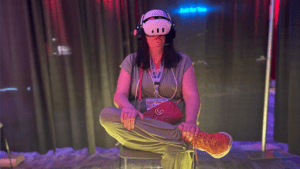
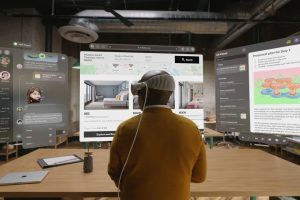
Immersive technology also found its center of gravity. XR is no longer trying to impress. It is trying to connect. The most compelling experiences were emotional, not technical. My personal favorite on the XR show floor was the Lost Love Hotline. It tapped into something deeply human and reminded me that the future of technology is not about more features. It is about more feeling. In contrast, the Finnish Sauna experience at Bathe offered something equally powerful in a completely different way. It created space to pause, reset, and connect. As a Finn, I deeply appreciated being able to take a moment, meet my fellow Finnish people, and sit in a proper hot sauna in the middle of SXSW. That grounding moment felt just as innovative as anything on stage.
There were also moments of delight and unpredictability that reminded me why SXSW matters. I was genuinely disappointed to miss the cowboy singing “Rizzbot” appearance, which quickly became one of those only-at-SXSW cultural moments that break through. At the same time, seeing a self-landing personal aircraft sent a bigger signal than a party robot… Automation is moving decisively into the physical world. The boundary between digital and physical systems continues to dissolve and maybe that’s not such a horrible thing?
Zooming out, SXSW 2026 felt like a checkpoint moment. The hype cycle is behind us. We are now in a phase defined by deployment, accountability, and palpable human impact. Human layers such as storytelling, ethics, design, and emotional resonance are becoming the true differentiators. Scale alone is no longer the goal. Impact is. Smaller, more focused solutions are proving more meaningful than massive, generalized platforms.
From where I sit as a futurist, the signal is clear. The future is no longer something we speculate about. It is something we are actively shaping in real time. It is physical, human-centered, and embedded in our systems, environments, and behaviors.
SXSW 2026 did not try to show us the theoretical future. It showed us that we are already living inside the early version of it.