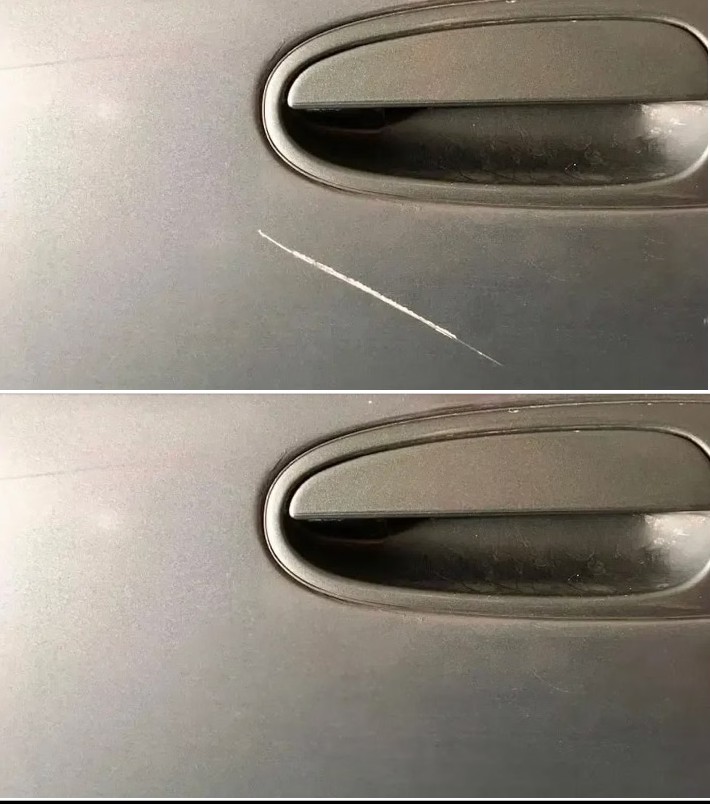
A door ding in a parking lot. A shopping cart scratch across the rear quarter panel. Curbed wheels from a tight parallel parking attempt. These minor cosmetic issues have plagued drivers for decades without attracting meaningful business solutions beyond expensive body shop visits or living with the damage. That gap is closing as companies recognize the disconnect between what insurance covers, what repairs actually cost, and what drivers need.
The economics never worked for anyone involved. Small repairs typically cost between $300 and $600, but insurance deductibles usually range from $500 to $1,000, making claims financially illogical. Body shops prioritize higher margin collision work over minor cosmetic jobs. Drivers postpone or skip repairs entirely, accepting gradual depreciation instead. This three-way market failure created space for new business models built specifically around everyday damage that falls through existing coverage structures.
The Hidden Cost of Ignoring Minor Damage
Vehicle owners underestimate how significantly small cosmetic issues affect resale value. Research shows that scratches and dents can reduce a vehicle’s value by 5 to 15 percent, depending on severity, location, and the car’s age. For a vehicle worth $30,000, that translates to $1,500 to $4,500 in lost value from damage that might cost only a few hundred dollars to repair properly.
The depreciation compounds when multiple minor issues accumulate. A scratch on the bumper, a dent in the door, and curbed wheels individually seem insignificant. Together, they signal neglect to potential buyers and dealerships conducting trade in valuations. Damage on highly visible panels like hoods, doors, and front bumpers carries greater weight in depreciation calculations than identical damage on lower or rear panels.
Fleet operators managing delivery vehicles, ride-sharing cars, and corporate transportation face ongoing depreciation from accumulated minor damage that insurance will not economically cover. Every dent and scratch reduces wholesale auction values when vehicles cycle out of service, compressing already thin margins on fleet operations.
Why Traditional Solutions Failed
Body shops built their business models around insurance work and major collision repairs, where job values justify overhead costs. A $3,000 repair provides enough margin to cover facility expenses, equipment investments, and qualified technician wages. A $300 scratch repair barely covers the administrative cost of writing estimates and processing payments.
“Most body shops actively avoid small cosmetic jobs because the economics don’t work with their overhead structure,” said Amanda Pratley, spokesperson for Assure Scratch and Dent. “They need high-dollar repairs to stay profitable. When someone calls about a minor scratch, they quote high prices to discourage the work or push it to the bottom of the queue behind insurance jobs.”
Insurance companies similarly avoid engagement with minor cosmetic damage. Processing claims costs money regardless of payout size, and small claims generate disproportionate administrative expense relative to settlement amounts. Insurers prefer customers self-select out of filing for minor damage by maintaining deductibles that exceed typical repair costs.
The pandemic accelerated repair cost inflation. Vehicle repair costs increased 6.7 percent in 2024 alone and have risen 25.7 percent since 2020. These inflationary pressures made small repairs even less accessible to average drivers operating on household budgets already strained by broader cost increases.
How Subscription Models Address the Gap
Assure Scratch and Dent operates on fundamentally different economics than traditional body shops. The subscription model generates recurring revenue that smooths income volatility while mobile technicians eliminate facility overhead. Members pay $39 monthly for unlimited repairs to scratches, dents, paint chips, windscreen damage, and wheel rims, removing the transaction friction that deters drivers from maintaining cosmetic condition.
The company completed statewide California coverage within its first year by building networks of mobile technicians equipped to handle cosmetic repairs at customer locations. Most jobs finish in under two hours without requiring shop visits, solving the convenience problem that made traditional repairs impractical for working professionals unable to spend half days coordinating vehicle drop-offs and pickups.
“We recognized that the problem wasn’t technical capability, it was business model mismatch,” Pratley explained. “Body shops can fix scratches and dents easily. They just have no financial incentive to prioritize that work. By removing individual transaction costs and operating mobile, we make small repairs profitable while keeping prices accessible.”
The subscription approach changes consumer behavior in ways pay per repair models cannot. When members pay a flat monthly fee, they report damage immediately rather than deferring repairs indefinitely. This prevents minor scratches from developing into rust issues that require more extensive remediation. It also protects resale value by maintaining vehicle appearance throughout ownership rather than addressing accumulated damage only when preparing to sell.
Assure provides lifetime guarantees on all repair work, despite operating in uncontrolled environments like parking lots and driveways. Digital platforms enable review systems and performance tracking that replicate the reputation signals physical shops developed through decades of local presence.
Market Response and What Comes Next
The company’s expansion into Arizona and Florida markets tests whether California’s success reflects unique local conditions or broader national demand for cosmetic repair subscriptions. Traditional body shops face difficult strategic choices as subscription competitors capture market share in cosmetic repair categories. They can launch their own subscription programs, but their higher overhead makes price competition challenging against mobile-focused operators.
Geographic expansion represents the immediate growth path for subscription cosmetic repair services. Urban and suburban areas with high vehicle density offer the most favorable economics, as technicians can complete multiple appointments daily without excessive drive time between jobs. Fleet applications present substantial market opportunity beyond individual consumers, as delivery companies and ride-sharing services face ongoing cosmetic damage that insurance does not economically cover.
“The market we’re addressing is enormous because every driver experiences minor cosmetic damage regularly,” Pratley noted. “Traditional solutions served nobody well. We’re just the first to build a business model that actually aligns with how people use their cars and what coverage they actually need.”
The underlying problem persists regardless of solution adoption rates. Small cosmetic damage will continue affecting vehicles as long as cars share roads and parking lots. What appears settled is that the historical neglect of minor damage as a serious business problem has ended as companies recognize the market size and develop economics that make serving it profitable.