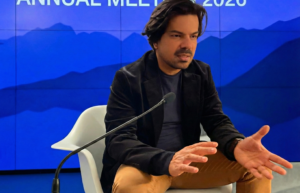
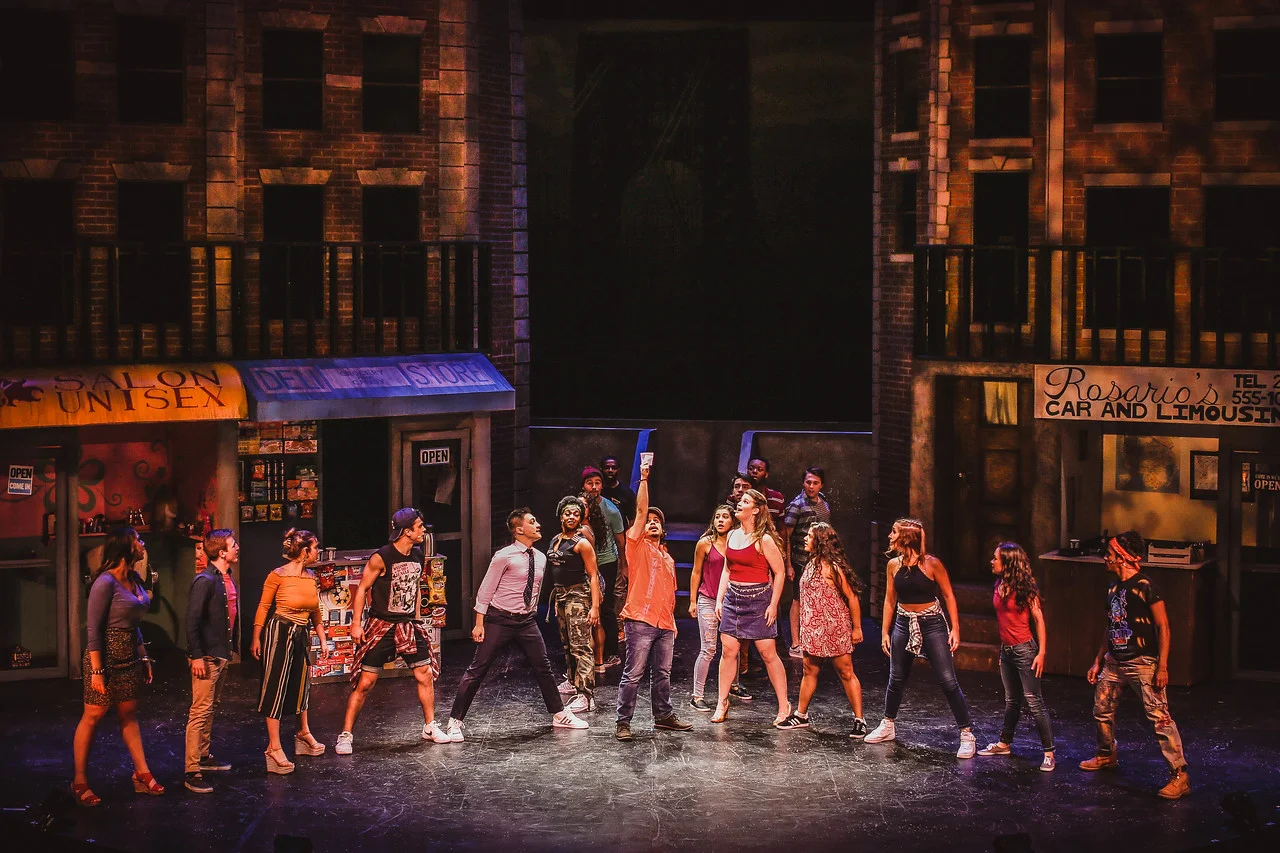
As entertainment continues to blur the lines between stage, screen, and scroll, costume design is evolving alongside it. Few designers embody that cross-platform fluency as fully as Roger Teng. Born in Taiwan and trained at both the University of Michigan and NYU Tisch, Teng has built a portfolio that moves seamlessly from off-Broadway and regional theater to large-scale musicals at The Muny and Broadway Sacramento, as well as production work on Broadway itself. In recent years, he has also carved out a presence in the fast-growing world of vertical short films, where storytelling must capture attention in seconds.
In this conversation with GritDaily, Teng reflects on how his formal training shaped his storytelling instincts, why he chose not to confine himself to a single medium, and how designing for stage, film, and digital-first formats requires both artistic precision and strategic agility. From honoring theatrical tradition to adapting to compressed production timelines and emerging audience behaviors, he offers a clear look at what it takes to build a sustainable creative career in a rapidly shifting entertainment landscape.
You began your journey in the United States in 2013 and trained at NYU Tisch and the University of Michigan. How did that formal foundation shape your ability to move confidently between off-Broadway theater, regional productions, large-scale musicals, and film projects?
Training at two very different institutions gave me a perspective that I still carry with me today. At the University of Michigan, collaborating with one of the most celebrated musical theater programs in the country is where I truly fell in love with live performance and the immediacy of storytelling on stage. When I continued my studies at New York University, I was able to continue honing my design skills while being introduced more deeply to storytelling for the screen, where I became fascinated by how small details in clothing can reveal psychology and emotion on camera. What connects both experiences is a focus on storytelling through clothing. I approach each project across genres by asking who the character is and how the costume can help the audience understand them without a single word. That shared narrative foundation is what allows me to move confidently between mediums.
Many designers build their careers within a single niche, you have intentionally worked across theater, musicals, and emerging digital formats like vertical short films, what made you decide early on that specializing in only one medium was not the right long term strategy?
I realized early on that the industry is constantly evolving, so it didn’t make sense for me to limit my practice to just one medium. Live theater will always be at the core of my work because I see it as a unique and irreplaceable art form, but I’ve also always been curious about how storytelling shifts across different formats and audiences. Working in emerging spaces like vertical short films, for example, opened my eyes to how large and global those audiences really are, and how that level of accessibility changes the way audiences connect with characters. That experience reinforced my belief that a contemporary designer should be fluent in multiple visual languages. Each medium asks different questions of costume, and moving between them allows me to stay responsive, relevant, and creatively engaged.
From a storytelling perspective, what are the biggest differences between designing for stage versus screen, and how do you adjust your creative process when moving between those formats?
Designing for the stage involves extensive conversations about practicality and longevity, while film places a stronger emphasis on detail and intimacy. A theatrical piece is constantly in motion, and the audience experiences the world as a whole, so I approach theater with a more zoomed-out lens: considering silhouette, color, and how costumes interact visually across the ensemble. Without digital effects, we also have to engineer the “magic” in real time, whether it’s a transformation like Cinderella changing into a ball gown or ensuring a costume can endure eight performances a week.
Film, by contrast, requires a zoomed-in perspective. The camera often focuses on the space around the face, making even the smallest details significant. Accessories, for example, become powerful storytelling tools, revealing character choices in subtle ways. Film also allows a more realistic approach, since we aren’t focused on changes between scenes. My research for theater is often movement-based, while for screen it’s behavior-based. On stage, I emphasize bold shapes and color blocking so characters read clearly from a distance; on screen, I attend closely to habits, texture, patterns, and subtle details that intimately reveal psychology.
You have spoken about designing for speed, especially in emerging digital productions. How have compressed timelines changed the way costume designers approach research, sourcing, and collaboration?
Compressed timelines have fundamentally shifted how costume designers work, requiring faster and more intuitive decision-making. In many cases, the process becomes instinctive, supported by experience and preparation. Research and sourcing have also become more digital and streamlined, allowing us to move quickly without sacrificing visual clarity.
For me, the key is entering a project with a strong conceptual direction so that time is focused on execution rather than exploration. Clear communication from the earliest stages is equally important, because there is very little room for adjustment once production begins. In fast-paced digital projects, especially, I’ve found it valuable to build ongoing collaborations with trusted teams. Working with people who understand your process creates efficiency, consistency, and a shared creative rhythm, which ultimately strengthens the final result despite the compressed schedule.
How did your experience as a designer associate and assistant prepare you to lead projects across different scales, from intimate off-Broadway shows to larger productions?
Being an assistant and associate is an essential part of my development as a designer. On many productions, especially those with limited budgets, a designer must take on the responsibilities of an associate or assistant. These roles are critical because, while designers focus on shaping characters and the overall concept, associates and assistants are often the ones bringing that vision to life: overseeing costume preparation, directing fittings, managing inventories, and ensuring the designer’s vision is executed seamlessly.
Through these experiences, I’ve gained a deep understanding of both the creative and operational sides of costume production. The resources I’ve learned to leverage, the network of artists I’ve collaborated with, and the management skills I’ve cultivated have strengthened my design process and prepared me to lead projects confidently across scales.
As someone who reimagines classics while bringing diversity and cultural perspective into your work, how do you balance honoring tradition with pushing narratives forward for modern audiences?
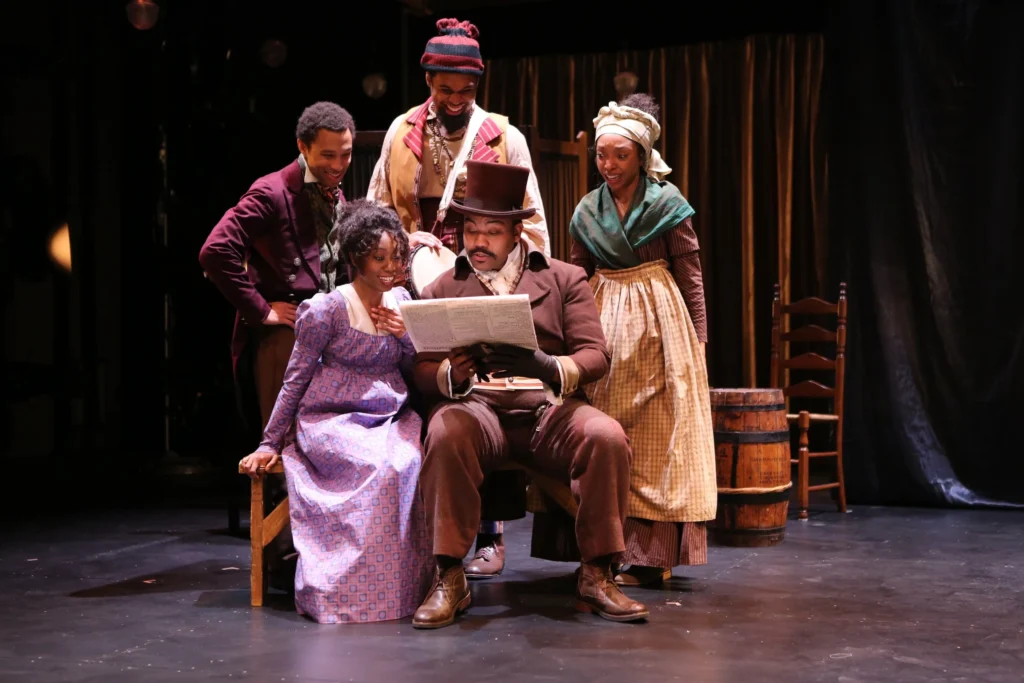
I believe the reason classics continue to resonate is that their themes are universal and cyclical. Stories about identity, love, power, and transformation repeat across cultures and time, which is why they remain relevant today. My goal is not to replace tradition but to build on it. With my background, I’m interested in exploring these familiar narratives through new cultural and visual perspectives, allowing different audiences to see themselves reflected in stories they may not have felt connected to before. For me, balancing traditions and innovation is about respecting the past while creating work that acknowledges its origins, allowing them to evolve for modern audiences.
Vertical short films and digital-first formats are creating new opportunities for creatives. What do these emerging platforms demand from costume designers that traditional theater or film might not?
Working on vertical short films and digital-first formats often feels closer to designing for an advertisement. These projects demand that costume designers not only create a strong visual vision but also think strategically about how that vision captures attention instantly. Unlike traditional theater or film, where character development and narrative arc are central, these formats prioritize impact in just a few seconds, enough to stop a viewer from scrolling past. Success in this space requires creativity, adaptability, and a keen understanding of both visual storytelling and audience engagement. In many ways, designing for digital-first platforms reflects the evolving intersection of entertainment and marketing: it’s about creating striking, memorable imagery quickly and effectively.
For early-career designers who want to build sustainable creative careers, what skills beyond pure artistic talent have become essential in today’s cross-platform entertainment landscape?
I think it’s essential for early-career designers to design with intention and understand their audience. Each platform has its own strengths, and translating your vision across formats requires both creativity and adaptability. Beyond artistic skill, success today demands strong collaboration, communication, project management, and problem-solving abilities, as well as practical knowledge of production realities. Combining creative vision with strategic thinking, flexibility, and awareness of how your work resonates with both collaborators and audiences is valuable to cultivate.