
A California nonprofit received $18,216,131 in state child care grants before opening a single daycare, and its first facility now serves no more than six children. The William Law Foundation also advertised more than 40 locations across 10 counties, a claim the California Department of Social Services said was not accurate.
The Center Square reported that the foundation received the largest proposed award in the department’s 2022-2023 grant cycle, despite having no experience running child care programs. The state has not explained how or why it qualified for the award.
Nonexistent Locations and a Slow Start
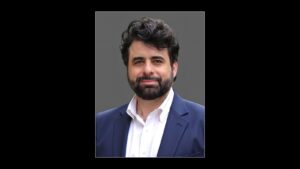
Executive Director William Edwards told The Center Square the foundation opened its first daycare in October 2026, more than three years after the grant award. At a visit on Oct. 14, 2026, site supervisor Sati Bachrun-Santillan said one child was present and five others were sick.
Department records show the Willverines Childcare Center in Bakersfield holds an active license for up to 60 preschool-aged children. Department spokesman Jason Montiel said it is the foundation’s only licensed facility. The foundation’s website claimed it had locations in Alameda, Kern, Kings, Los Angeles, Riverside, Sacramento, San Bernardino, San Diego, San Francisco and Solano counties.
Edwards acknowledged the foundation had never operated more than 40 locations. He said the county list reflected places where he hoped to open facilities, and said he would correct the website. More than a week after that promise, The Center Square reported that the claim remained online.
Nonexistent Locations and Public Funding
The award was $18,216,131 through the department’s 2022-23 General Child Care and Development Program grants. Montiel said the foundation had received approximately $2.2 million in startup funds. Edwards said he had spent that amount and would not qualify for the remaining $16 million unless he enrolled more children.
Edwards said the funding was intended to develop sites throughout California. He attributed the slow expansion to limited training and difficulty navigating state regulations. He said a church partnership fell through because the building lacked state-approved bathrooms or fire alarms. The article’s account of a separate grant-related fraud case offers related coverage of scrutiny around business funding.
The foundation’s 2024 tax return listed $1,051,434 in government grants as its only revenue. It also showed Edwards was the nonprofit’s only employee and received at least $540,000, plus $180,000 in deferred compensation. The return listed $33,500 in other salaries and wages. Edwards said he received no salary in 2025 or 2026, but did not provide tax returns to verify that statement.
Accounting professor Brian Mittendorf questioned the oversight behind the award and described Edwards’ salary as difficult to reconcile. Law professor Sam Brunson said the salary raised questions about whether it was proportionate to comparable nonprofit work. Neither expert said the available information established fraud. The allegations in a startup funding case and the reported guilty plea in another case are separate matters, not evidence about this foundation.
Questions About Nonexistent Locations Remain
Edwards said the advertised locations were plans, not operating facilities, and described the website claim as a mistake. The Center Square reported that the site still showed the claim after he said he would change it.
The department gave a general response that applications were reviewed for eligibility but did not answer questions about the foundation’s experience or oversight. The Center Square had filed a public records request for grant documents and had not received them by publication.
Edwards said he expected the foundation to enroll more children and suggested progress could come within six months. The department’s records request may clarify how the award was evaluated, while the state has not publicly detailed its monitoring of the startup funds already paid.