Lately, I keep hearing the same thing from people who, on paper, are doing well. They have strong resumes, good titles, jobs they once worked hard to get, and yet the conversations keep circling back to the same unease. What happens if this role changes? What happens if it disappears? What happens if the skills that built this career stop being enough?
AI has a way of making those questions feel urgent, sometimes uncomfortably so.
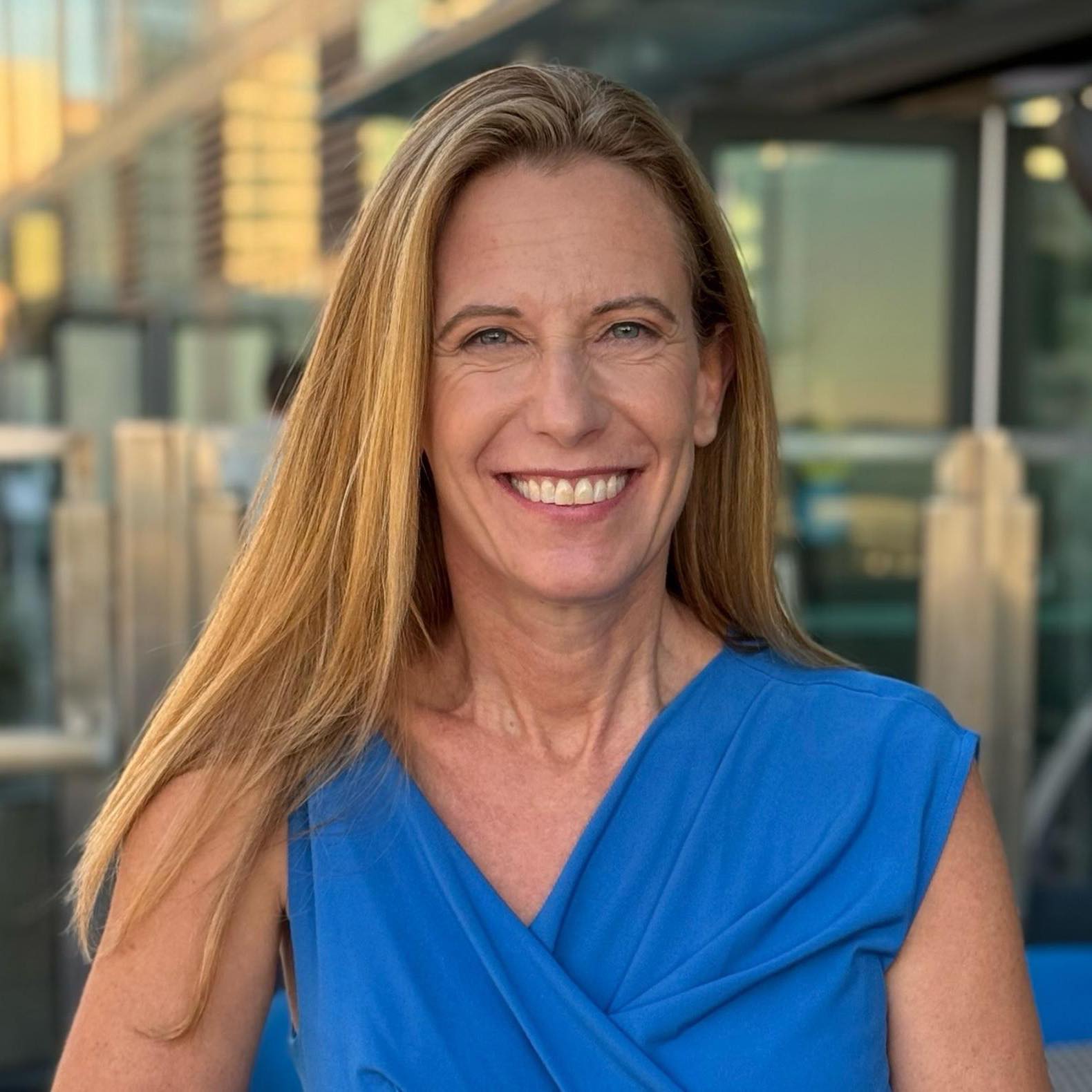
That is why Ilana Golan’s work caught my attention. Not because she talks about career reinvention, but because she talks about it without panic. There is very little “future of work” theater in how she approaches the subject. Instead, she treats reinvention as something practical, almost procedural.
Golan did not come to this from a conventional background. Before Silicon Valley, before startups, before podcasts and stages, she was an F-16 flight instructor in the Israeli Defense Forces. She later became the first woman to command her squad. In that world, adapting was not aspirational. It was expected. Conditions changed constantly, and the people who struggled were often the ones who assumed stability.
When she transitioned into civilian work, she noticed something that surprised her. Many of the professionals around her were talented and hardworking, but their careers were built on a fragile assumption. That the role they were in would continue to exist in roughly the same way. That loyalty or expertise alone would protect them from disruption. It rarely did.
That observation eventually became Leap Academy.
Why “Reinvention” Became the Focus
What founder Golan built was not a program about quitting jobs or chasing passion projects. In fact, much of her work is aimed at people who are already successful. The issue she kept seeing was rigidity. Careers designed with no room to bend.
Leap Academy is centered on what she calls portfolio careers – a term she coined. The idea is simple, even if the execution takes work. Build a professional life that does not depend on one employer, one income stream, or one narrow definition of value.
Some people do this while staying in corporate leadership roles. Others branch into advisory work, startups, or investing. Most combine several paths over time. The point is not entrepreneurship for its own sake. The point is choice.
Over four years, people who went through Leap Academy have collectively generated more than $80 million through promotions, new roles, compensation changes, venture funding, and exits. Those numbers are easy to cite, but they are not what Golan dwells on.
What she talks about more is how people’s thinking changes. She uses the term AQ, adaptability quotient, to describe it. The idea that in a world where technical skills age quickly, the ability to reposition yourself matters more than mastery alone.
That framing feels especially relevant right now.
Why This Moment Feels Different
A lot of professionals today are very good at careers that no longer behave the way they used to. The rules have shifted, but many people are still operating as if stability will return if they just wait long enough.
Golan does not see this as a personal failure. She sees it as a structural one. Careers were built for predictability. Technology removed that luxury.
Through Leap Academy, her podcast, and speaking work at events like TechCrunch Disrupt and the Google Startup Accelerator, she has been gathering people who are trying to respond realistically rather than nostalgically. People who want careers that can absorb change instead of breaking under it.
That conversation is now moving into a bigger room.
Where Leap Con Fits In
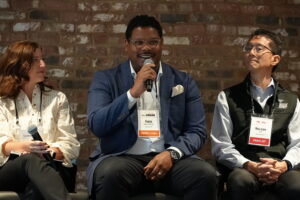
In February, Golan is hosting Leap Con in San Jose. It is a three-day conference focused on career reinvention, entrepreneurship, and what work actually looks like in an AI-shaped economy. Not in theory. In practice.
The speaker list includes Howard Behar, Adam Cheyer, Sandy Carter, and Guy Kawasaki. What stands out is less the names and more the angle. The sessions are built around how people adapt over time, not how they avoid change altogether.
From what I can tell, Leap Con is meant to feel like an extension of the same conversation Golan has been having for years. Reinvention as a skill. Something you practice, revisit, and refine.
AI is going to keep reshaping work, whether people feel ready or not. The professionals who seem most prepared are not the ones predicting the future perfectly. They are the ones who have built careers that can change shape when the future arrives differently than expected.
That is the space Ilana Golan has been working in all along.