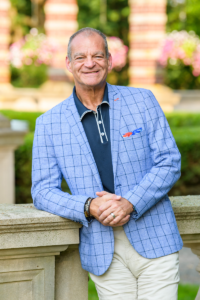
As companies navigate return-to-work mandates and evolving employee expectations, the traditional office is undergoing a radical transformation. Flexible workspace providers like Mindspace are becoming strategic partners for enterprises looking to balance collaboration, creativity, and wellness with efficient real estate use. From boutique, community-driven designs to revenue-sharing models with landlords, the flexible office is redefining what workspaces can and should be. Mark Goldfinger, General Manager, Head of North America at Mindspace, explains how enterprise adoption is accelerating, wellness and design trends for 2026, and why flex is quickly becoming a permanent fixture in the commercial real estate ecosystem.

1. With return-to-work mandates still in play, how are companies using flexible workspace to rethink what offices are for and what’s changing as we move further into 2026?
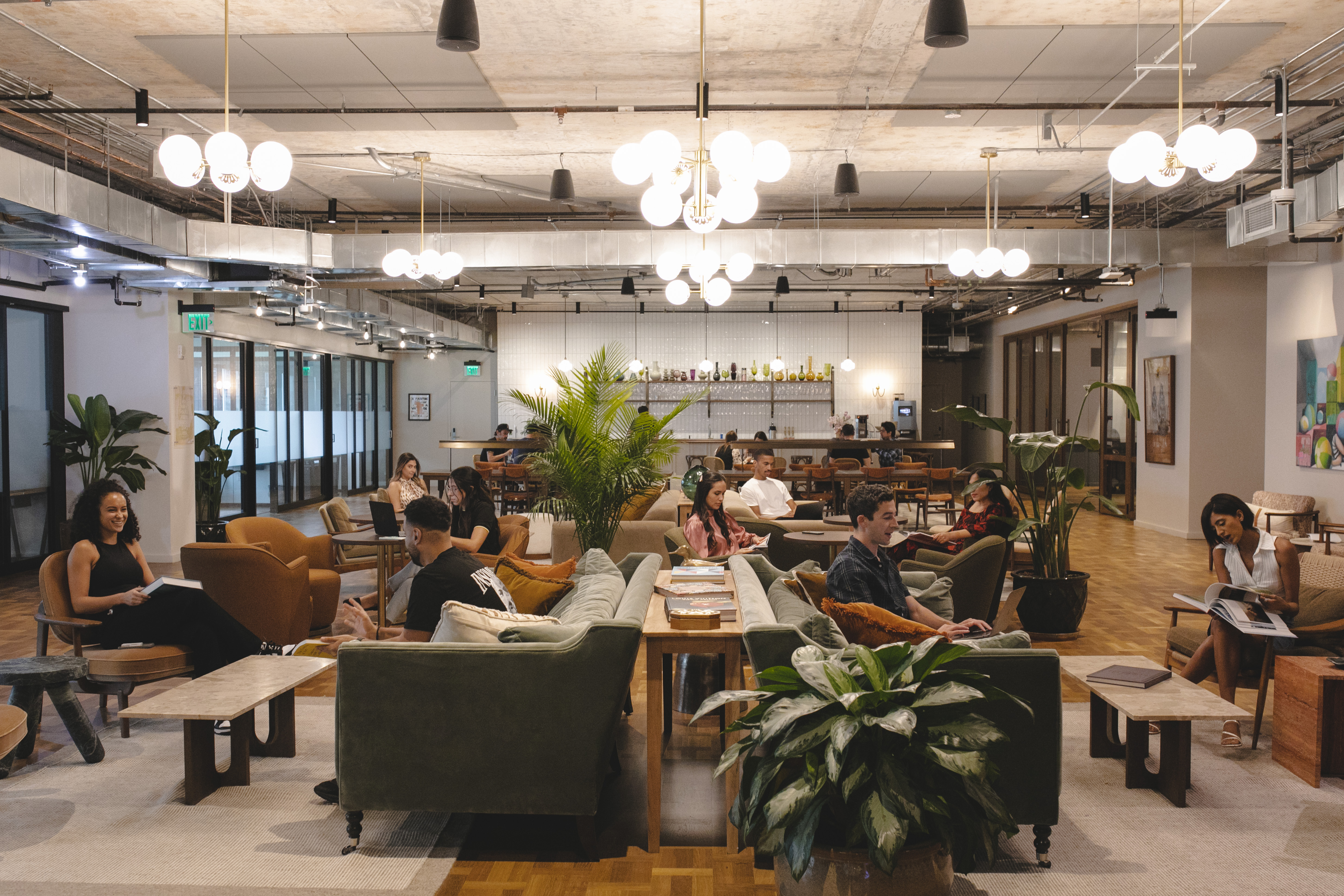
Return-to-work mandates have actually been a tailwind for flexible workspace. Companies are asking employees to come back, but they’ve also realized they no longer need the same amount of square footage they carried pre-pandemic. Instead of traditional, desk-heavy offices, employers are rethinking offices as destinations – spaces designed for collaboration, creativity, wellness, and movement. As we move further into 2026, the focus is less on assigning one desk per employee and more on creating inspiring environments that support how people actually work today, which is where boutique flexible providers like Mindspace are playing an increasingly important role.
2. Flexible offices were once temporary solutions, but enterprise adoption is accelerating. How are large companies integrating flex into their real estate portfolios, and how do you see that trend evolving over the next 3–5 years?
Enterprise adoption has shifted from experimentation to strategy. Large companies still want a presence in major cities, but they don’t need space sized one-to-one for every employee. Flexible offices allow them to accommodate rotating schedules, shared team days, and layouts with more breakout and collaboration areas than private offices. Over the next three to five years, flex will continue to be embedded into corporate real estate portfolios as a core component, providing the adaptability companies need without long-term risk.
3. Mindspace emphasizes a boutique, community-driven model. How does that translate into tangible value for members and landlords, and how will it influence occupancy, waitlists, and growth in U.S. markets in 2026?
For landlords, having a provider like Mindspace in a building is increasingly viewed as an amenity. Our spaces bring energy, activity, and community into a property, while also offering conference rooms and breakout areas that can be shared by other tenants. That dynamic helps attract larger enterprises to the building overall. For members, value comes from being in trophy assets with strong amenities – gyms, rooftops, and thoughtfully designed spaces that feel premium. That combination of experience and location supports stronger occupancy, waitlists in top markets, and continued growth across the U.S. in 2026.

4. With office vacancies rising and employer strategies shifting, how is flexible workspace influencing leasing fundamentals, rent growth, and landlord decisions and what should CRE leaders expect in the year ahead?
One of the biggest shifts we’re seeing is the rise of managed office solutions, where flexible operators partner directly with landlords to activate vacant space. This approach allows landlords to convert underutilized floors into short-term, flexible solutions for multiple tenants. Importantly, landlords are becoming more comfortable with revenue-sharing models. While rents may not always match historical peaks, landlords gain participation in upside and improved occupancy. As flex continues to mature, CRE leaders should expect it to play a more central role in leasing strategies rather than being viewed as a risk.
5. Based on what you’re seeing on the front lines, what are the biggest trends, opportunities, and surprises for flexible workspace in 2026, from demand patterns to workplace design and wellness priorities?
Wellness will remain at the forefront in 2026 – it’s not a passing trend. What’s evolving is how it’s embedded into design and experience. Traditional coworking aesthetics haven’t meaningfully changed in over a decade, and there’s a growing opportunity to raise the bar. At Mindspace, we’re investing more in fit-outs, premium materials, and communal spaces, as well as programming and events that emphasize work-life balance and wellness. The opportunity ahead is clear: creating spaces people genuinely want to come into. As demand grows, the providers that stay ahead of the curve in design, experience, and community will be the ones that win.
6. Anything else you’d add as we look ahead?
Flexible workspace will continue to gain momentum as landlords become more confident in the model and increasingly trust proven operators. We’re seeing growing inbound interest from landlords across U.S. markets who view flex not as a stopgap, but as a long-term strategy. For Mindspace, that confidence is translating into meaningful expansion, with the potential to nearly double our U.S. footprint over the next two to three years and enter new markets. It’s an exciting moment for the sector as flex becomes a permanent, strategic part of the commercial real estate ecosystem.