
The gig economy has transformed how millions of Americans earn a living — but traditional lenders haven’t caught up. Pennie’s income-focused loan marketplace is built for borrowers whose income doesn’t fit the W-2 mold.
The modern workforce doesn’t look like it used to. Rideshare drivers, freelance designers, contract developers, content creators, consultants — millions of Americans now earn their living outside the traditional 9-to-5 structure. They have income. They pay taxes. They have bills and financial goals like everyone else.
But when it comes to borrowing, they’re often treated like they don’t exist.
Traditional lenders want W-2s, steady paychecks, and predictable employment history. If their income comes from multiple gigs, fluctuates month to month, or shows up on a 1099 instead of a pay stub, they are likely to be rejected — regardless of how much they actually earn.
Pennie, the income-focused loan marketplace, was built to change that.
The Lending Gap For Non-Traditional Earners
The gig economy now represents over 36% of U.S. workers, according to various industry estimates. That’s tens of millions of people whose income structure doesn’t fit traditional lending models.
Here’s the problem: most lenders evaluate applicants based on credit scores and W-2 employment verification. If they’re self-employed, freelancing, or piecing together income from multiple sources, they are often flagged as “high risk” — even if their annual earnings are strong and consistent.
The result? Gig workers and freelancers get rejected for loans they could easily afford, simply because their income doesn’t come in the format lenders expect.
How Pennie’s Income-Focused Model Works
Pennie connects borrowers with lenders who evaluate income differently. Rather than requiring traditional employment verification, the platform’s lending partners assess earning power, income consistency, and ability to repay — regardless of how that income is structured.
“The way people work has changed, but lending hasn’t kept up,” said Sam Mkhitaryan, Co-founder of Pennie. “A freelancer earning $80,000 a year across multiple clients shouldn’t be treated worse than a W-2 employee making $50,000. We built a platform that looks at what you actually earn, not how you earn it.”
The Pennie platform accepts multiple income types, including:
- Self-employment and freelance income (1099)
- Gig platform earnings (rideshare, delivery, task-based work)
- Contract and consulting income
- W-2 employment
- Social Security and disability benefits
- Retirement and pension income
- Rental income
- Other documented income sources
The common thread is consistent, verifiable income — not where it comes from.
Fast, Private, And Built For Modern Borrowers
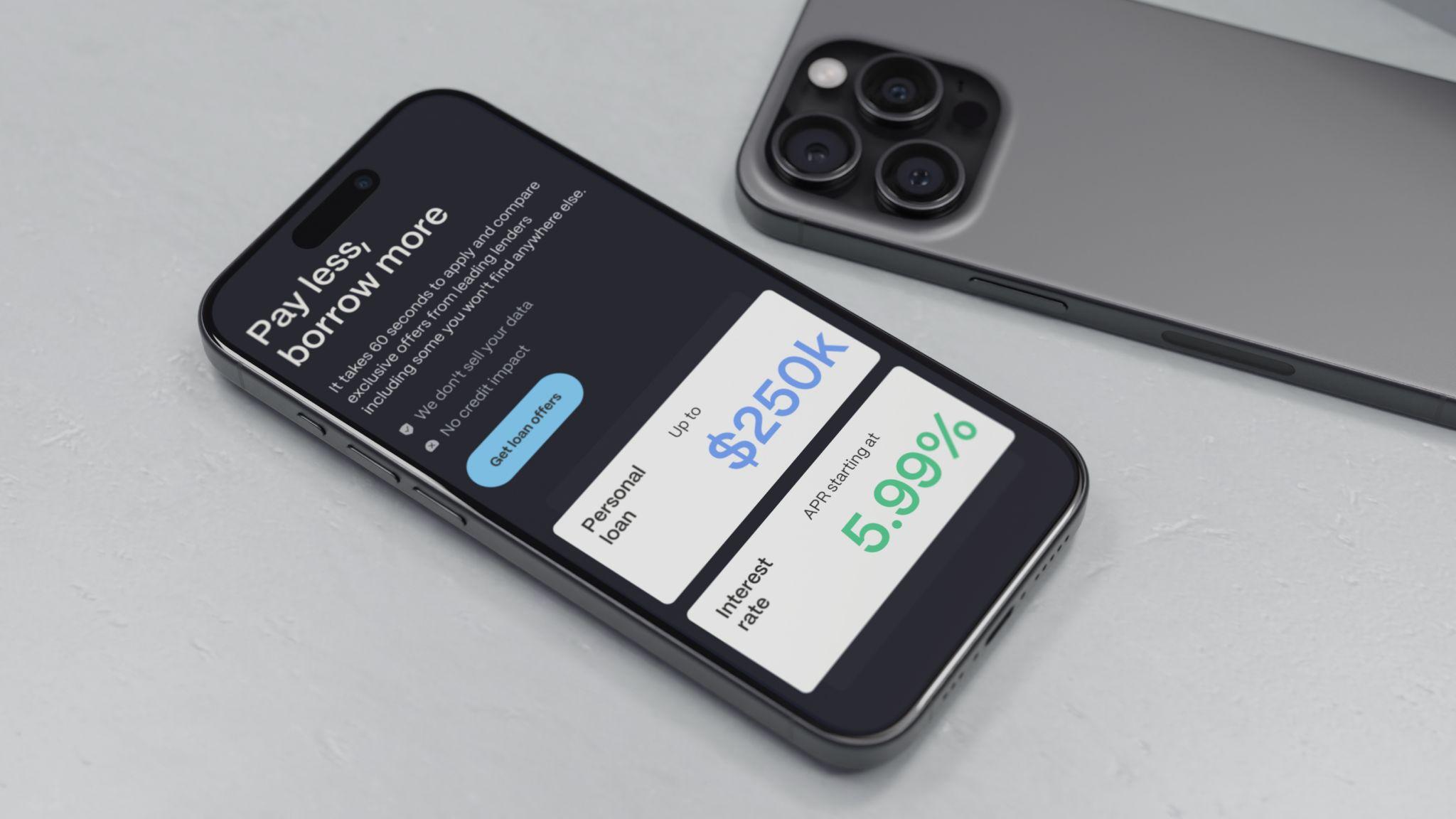
The Pennie platform is designed for how people actually live and work today. Borrowers complete a 60-second application and receive personalized loan offers through a soft credit inquiry that doesn’t affect their credit score. Offers appear in a private dashboard where borrowers can compare rates, terms, and monthly payments before deciding whether to proceed.
Loan amounts up to $250,000, repayment terms up to 10 years, and starting APRs as low as 5.99% may be available depending on the borrower’s profile and lender criteria. Qualified applicants can receive funding as soon as the next day.
Critically, Pennie does not sell or share customer data with third parties. For gig workers already juggling multiple platforms and accounts, the last thing they need is their financial information being passed around to marketers.
“Privacy matters — especially for people who are already managing complexity in their work life,” Mkhitaryan added. “We don’t sell your data. You see your offers, you make your choice, and that’s it.”
The Numbers Behind The Platform
Pennie’s approach has resonated with borrowers across all income types:
- 32 million people funded through the Pennie platform to date
- Over 350 million loan offers delivered to borrowers
- Over 300 million customer inquiries processed in 2025
- 4.9 Trustpilot rating from borrowers citing fast offers, clear terms, and respectful communication
For gig workers and freelancers who’ve been turned away by traditional lenders, those numbers represent real options — and real access to credit that matches how they actually earn.
A Platform Built For The New Economy
The gig economy isn’t going away. If anything, the trend toward flexible, independent work is accelerating. Lending needs to catch up.
Pennie’s income-focused model represents a shift in how borrowers are evaluated — prioritizing earning power and financial capacity over rigid employment classifications. For the millions of Americans building careers outside traditional structures, that shift opens doors that were previously closed.
For more information, visit the official website.
Frequently Asked Questions
Can I qualify with 1099 income only?
Yes. Pennie’s lending partners evaluate income based on what you earn, not how you earn it. Freelancers, contractors, and self-employed borrowers with consistent 1099 income may qualify based on their earning power and ability to repay.
What documents do gig workers need to apply?
To get started, you just need basic information — the initial application takes about 60 seconds. If you move forward with an offer, you may need proof of income (tax returns, bank statements, or 1099 forms), a government-issued ID, proof of address, and bank account details for receiving funds.
How does Pennie verify freelance income?
Lending partners may verify income through tax returns, bank statements showing deposits, 1099 forms, or other documentation that demonstrates consistent earnings. The focus is on your actual income history, not your employment classification.
Does Pennie sell my information?
No. Pennie does not sell or share customer data with third parties. Borrowers review offers in a private dashboard and communicate directly through the platform — no flood of calls from outside marketers.