
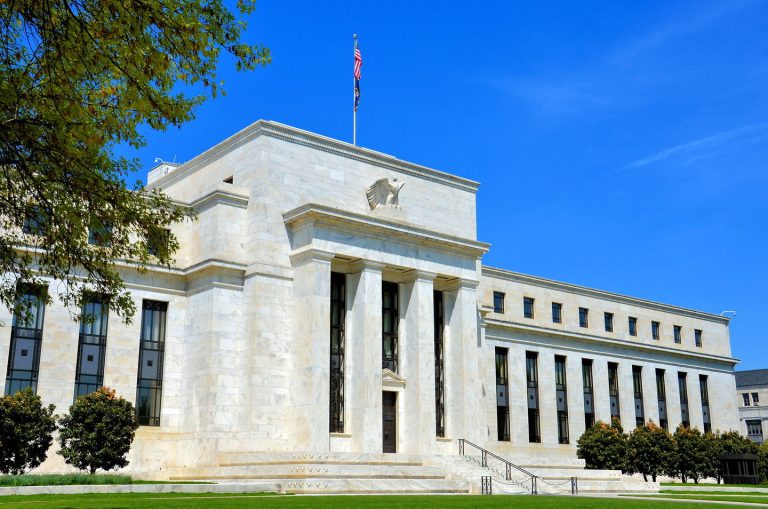
The Federal Reserve raised interest rates in September. It lifted its target range for the federal funds rate by a quarter percentage point to 3.75% to 4%. A Forbes contributor column argues the Fed rate hike matters to women entrepreneurs well beyond the central bank, according to Forbes.
In its September 16 policy statement, the Fed said inflation remained elevated. The column says the effects reach the business credit card balance and the home equity line used to fund a startup. They also reach the savings account holding six months of expenses.
Why a Fed Rate Hike Hits Founders Personally
For many entrepreneurs, the column says, there is no clean line between business finances and personal finances. It cites Federal Reserve research finding that women historically have started businesses with less financial capital than men.

The Federal Reserve Banks’ 2026 Small Business Credit Survey found that 59% of small employer firms carrying debt had used a personal guarantee. It also found that 86% of employer firms regularly use some type of financing. Among firms with no employees other than the owner, nearly two-thirds reported using the owner’s personal funds to address financial challenges.
“When the cost of money rises, the consequences may not stay inside the business,” the column says. Other founders face similar pressures, as in grants for female founders.
Know What Your Debt Costs
The column does not tell women to stop borrowing. It says the Fed rate hike makes the gap between inexpensive and expensive debt more consequential. A low fixed-rate mortgage is a different position from a large revolving credit-card balance.
It suggests listing every personal and business debt, its rate, whether the rate is fixed or variable, and what it finances. Borrowing for equipment or inventory may make sense even at a higher rate. Regular double-digit borrowing to cover a cash-flow gap, it says, may point to deeper problems in the business finances. The cost of starting out also shapes these choices, as in efforts to lower business registration costs.
Protect Your Financial Foundation
The column challenges the idea that commitment means putting everything into the business. It says building wealth outside the company is what lets an entrepreneur keep betting on themselves. A personal emergency fund can carry a founder through a slow quarter. Retirement assets and business reserves add further cushions.
Higher rates also bring an upside for savers, the column says. Money that must stay safe may earn more in high-yield savings accounts, money market deposit accounts or certificates of deposit. But it warns against treating a better savings yield as a long-term investment strategy.
Do Not Outguess the Fed
On housing, the column urges buyers to begin with affordability rather than fear. It says “I’ll refinance later” is a possibility, not a financial plan. It also says a Fed rate hike does not mean someone with a 3% mortgage should rush to pay it down. That applies while carrying costlier debt.
Expectations can shift quickly, it adds. Two weeks after the September 16 decision, Reuters reported that new inflation data came in softer than economists expected. Hopes for another increase as soon as October then declined. New York Fed President John Williams said there was no urgency for the Fed’s next move.
The column concludes that a sound plan should survive more than one rate environment, not only the one after this Fed rate hike. Savings, manageable debt and diversified assets give founders room to take a smart risk. Students weighing that path can look at school entrepreneurship competitions.
Frequently asked questions
What did the Federal Reserve do in September?
The Fed raised its target range for the federal funds rate by a quarter percentage point to 3.75% to 4% and said on September 16 that inflation remained elevated.
Why does the Fed rate hike matter to women entrepreneurs?
The column says many founders have no clean line between business and personal finances, so higher borrowing costs can follow the founder home.
How common are personal guarantees among small employer firms?
The Federal Reserve Banks’ 2026 Small Business Credit Survey found that 59% of small employer firms carrying debt had used a personal guarantee.
What does the column say about mortgages?
It says to begin with affordability rather than fear, and that planning to refinance later is a possibility, not a financial plan.