
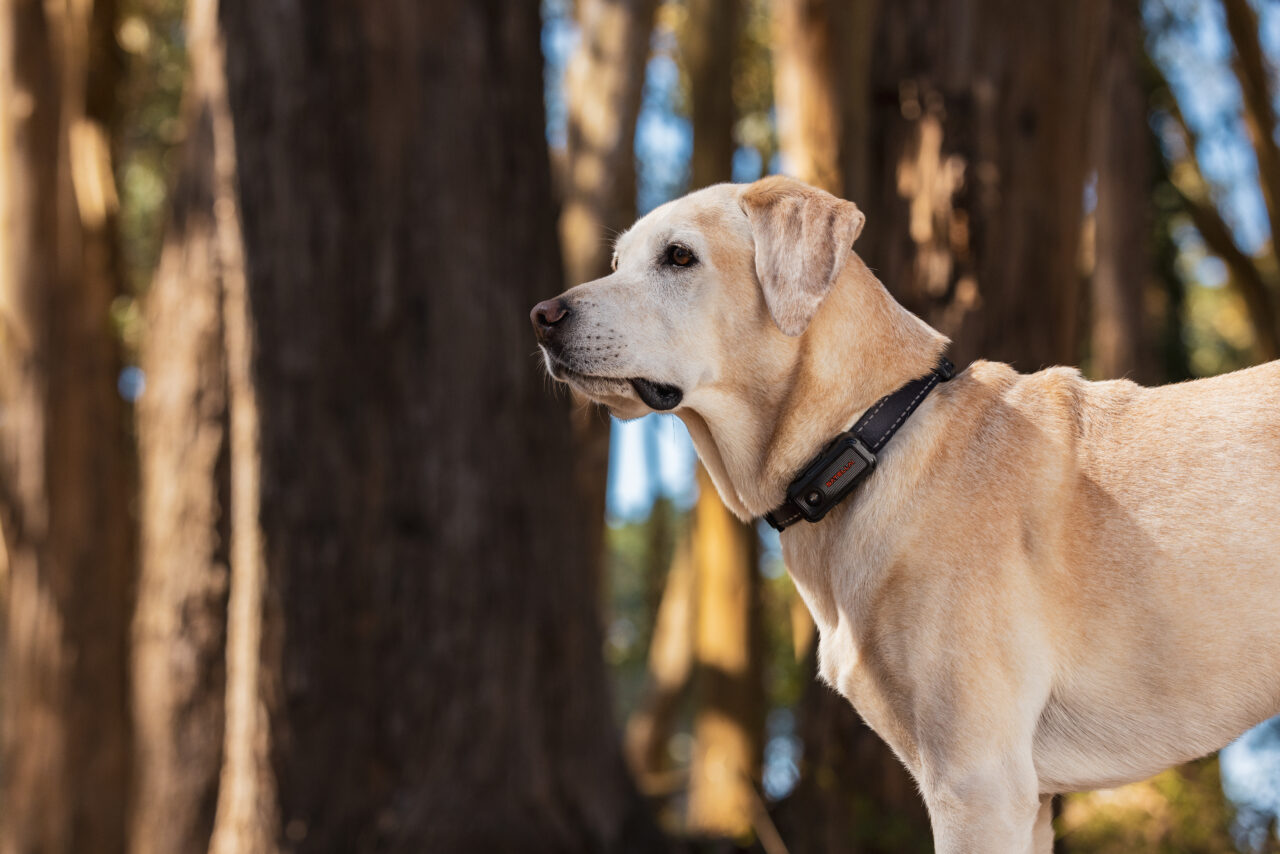
As some states enjoy their warmest winter temperatures since the mid-20th century, it’s only natural for pet parents to want to get out and explore nature with their furry friends. For pet owners nationwide, however, it may be worth taking a brief paws before departing for the trail.
The unseasonably balmy air temperatures make “false spring” a tricky time for pet owners hoping to get an early start on recreating outdoors. Warm days can quickly give way to sudden cold snaps, and frozen and/or muddy conditions are still present on many hiking trails. The temptation to match last summer’s pace up the mountain looms large.
Yet, these challenges are far from insurmountable. Pet parents can still make the most of these early sunny days (and avoid a trip to the emergency vet) by hiking smart and adding some stylish tech to your pet’s wardrobe.
Avoiding Winter Whiplash
This winter, the weather isn’t just warm. It’s also unpredictable. Earlier this month, residents in South Florida witnessed an extremely rare phenomenon known as “sea smoke,” after extremely cold air temperatures in the mid-30s collided with the much warmer Atlantic Ocean below. Less than two weeks later, meteorologists are predicting the region may break an all-time heat record. Similar headlines are playing out across the country, as this year’s La Niña weather pattern continues to create “winter whiplash”-like conditions.
That’s why early-season hikers can’t let down their guard on the trail, even if the sky is crystal clear when heading out. If weather conditions change, it’s imperative to have gear that won’t quit. Pack an emergency “space blanket” in case the temperature drops quickly, always carry extra water and food, and pack a flashlight for continued visibility after the winter sun drops below the horizon.
Additionally, consider investing in a smart wearable collar (like the SATELLAI Collar Go). Purpose-built to withstand less-than-ideal conditions, “winter whiplash” is no match for this rugged, GPS-equipped pet wearable. It has a 15-day battery life and an IP68 waterproof rating, so it keeps working even if a sudden rain or snowstorm hits. It also has a built-in “Starlight” with different modes (Steady, Pulse, or Strobe) to help Fido stand out if the sun sets earlier than expected.
Hidden Dangers on the Thawing Trail
Even if the weather doesn’t take a turn for the worse, it’s worth bearing in mind that the trail will likely look a bit different at this time of year than it did last fall or summer. Some areas (especially shaded ones) will likely still be frozen, and patchy ice can be just as slippery and dangerous as the ice on a trail that’s frozen solid.
Hidden ice patches aren’t the only thing that can hurt a pup on the trail, though. Pet owners should also keep an eye out for:
- Puddles: Steer clear of all puddles and standing water, as they may contain a harmful bacterium known as leptospirosis. Additionally, puddles with a blue or green tint (especially in the parking lot or other asphalt areas) may contain antifreeze, which tastes sweet to dogs but is very poisonous.
- Rock salt: Although helpful for melting ice, commercial rock salt varieties can burn a dog’s paw pads. That’s why it’s critical to wash a dog’s feet with lukewarm water after hiking at this time of year.
- Foxtails: Foxtails (sharp grass seeds) pose a safety risk as soon as the weather warms (which includes this year’s “false spring”). Foxtails can get stuck between a pup’s toes and “burrow” into the skin, causing painful infections.
For pet parents looking to further level up their preparedness, it’s worth considering investing in a smart collar (like those from SATELLAI). Using an on-board AI, these devices can spot changes to a dog’s “Walking + Running Patterns” immediately, providing an early warning sign if something’s wrong.
Pro Tips for the First Hike of the Season
After a winter of napping on the couch, tasty treats, and lounging indoors, a five-mile mountain trek can be a shock to any dog’s system. That’s why it’s critical to take it slow and avoid pushing an out-of-shape dog too hard in warm weather. If pet parents notice any signs of stiff/weak muscles, slowing down or not jumping as readily, or a very fast heartbeat/panting, it’s important to take a break right away.
To further take the guesswork out of when to stop or turn around, the SATELLAI Collar Go can help. It’s the first wearable to create an AI-powered “Digital Twin,” or health baseline, for dogs. By collecting data on a dog’s rest and activity every day, the Collar Go can instantly tell if a dog is overexerting, suggesting when it’s time to stop for water or head home.
Even if a smart collar isn’t in the cards, though, there’s still plenty pet parents can do to stay safe and enjoy an earlier-than-usual springtime hike:
- Start Small: Spend two weeks doing short 30-minute walks to build up their strength.
- Protect the Paws: Use dog boots or a special paw wax (like Musher’s Secret) to protect against sharp ice and salt.
- Hydrate Early and Often: Dogs work harder in “false spring” humidity than they do in dry winter air. Pack more water than needed.
Pet parents needn’t let a “False Spring” catch them off guard. Although there is no way to predict exactly what this winter has in store, a little preparation is all that separates a risky trek from a great afternoon. Whether relying on their own intuition or a smart collar’s AI-powered insights, the objective remains the same: Returning to the trailhead with a tired yet happy dog and a clean bill of health.