
A lot of agents get their real estate license and dive into the industry wide-eyed and eager to become the next rockstar in their market. They voraciously consume every piece of advice they can find in books, podcasts, YouTube videos, and even social media content in an effort to develop the skills they’ll need to hone their skills.
But far too often, they overlook one critical aspect of their career — the broker they choose to hang their license with.
Many, to their own detriment, assume that all brokers are essentially the same and that all that really matters is their knowledge, drive, and client satisfaction. While those are all critical to a successful career in real estate, the broker they choose to work under has far more impact than most ever realize until it’s too late.
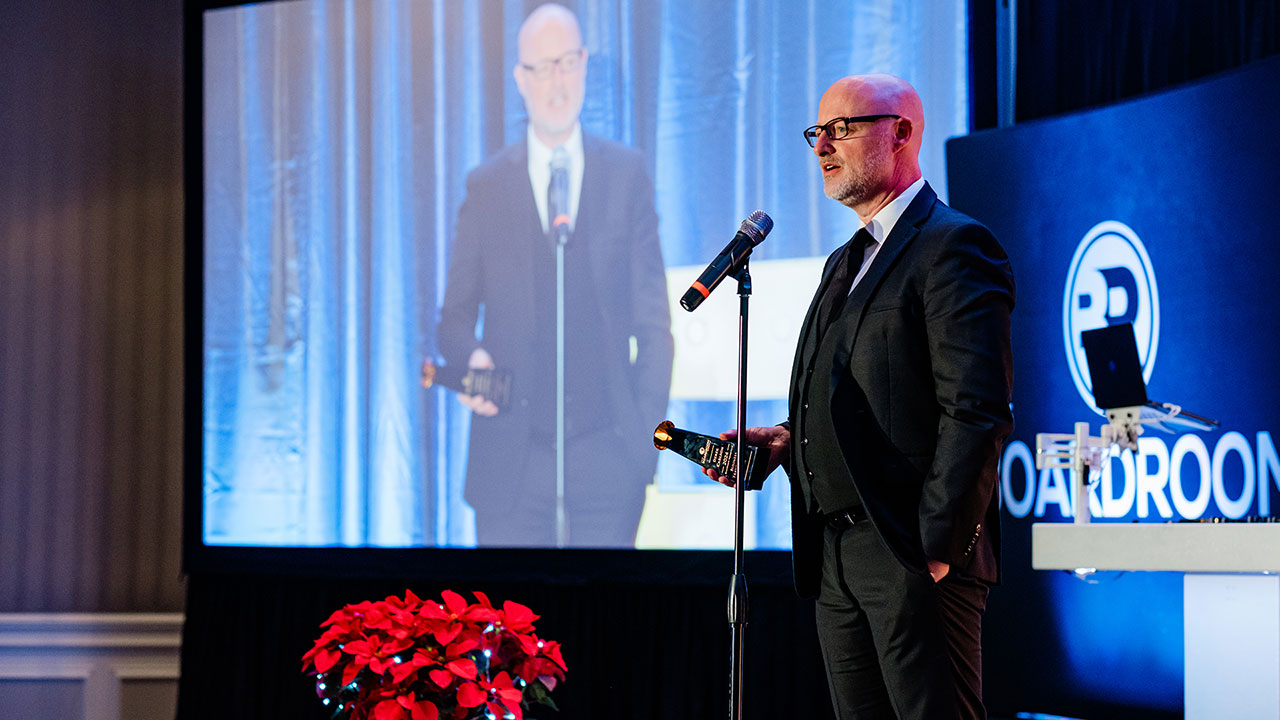
Veteran real estate professional Derek Carlson says this mistake leads to slow progress, missed opportunities, and often, being eventually driven out of the industry.
“Your broker isn’t just who you work for — they’re also a de facto partner. That’s because the right broker is a mentor, connector, problem solver, and even a therapist, while the wrong broker is someone who just has their hand out looking for a cut of your transactions.”
Carlson runs Realty ONE Group MVP, a Florida-based real estate brokerage with over 1,100 Realtors under his umbrella, and prior to this, he ran another firm that was one of the top ten in the U.S. in terms of sales volume with over 3,000 agents. So to say that he knows a thing or two about what makes an agent successful would be an understatement. In fact, he’s regularly cited in the media for his real estate expertise and has a recurring column at Inman, as well as quotes in prominent financial media outlets, including Go Banking Rates, International Business Times, NASDAQ, and countless others.
He says that the broker an agent chooses to work with can make or break their career, especially for newer agents, and that’s why it’s so important to invest the time to thoroughly vet a broker before deciding to work under them.
Carlson breaks down three key questions to ask before choosing a broker.
How Does Their Commission Model Work?
Most people understand that real estate agents work on commission, which means that they only get paid when a transaction closes. If they don’t get their client across the finish line, they don’t get paid.
On the surface, that seems pretty straightforward. But what most people don’t realize is that there are a lot of ways that could be structured.
“Realtors traditionally negotiate a commission rate with their client, and the agent typically splits that with their broker, which often start around 50/50 for new agents, moving to a more lucrative 70/30 for experienced agents. There are also brokerages, like mine, that operate on a 100% commission model where the agent keeps their entire commission, as well as some brokerages that charge a much smaller percentage or even a flat fee,” Carlson explains.
He warns that brokerages that charge a smaller commission or a flat fee can make it especially tough for a newer agent to become successful because they can’t generate enough revenue quickly enough to sustain operations. The split models can make it easier as long as the broker provides sufficient support to its agents, but he argues many don’t, despite taking a significant cut of the commission.
“That’s why I chose to implement a 100% commission model in my brokerage,” he says. “By charging my agents a flat monthly fee to use our systems but letting them keep their full commission, I believe we give them the greatest chance at success, ” he says.
Numerically speaking, this model helps new agents create the momentum they need to launch a successful career, and as they begin to close more transactions, it becomes even more lucrative for the agents compared to a traditional split model.
What Kind of Support Do They Offer?
Real estate is a tough industry, even for veteran agents, but it’s especially tough for newer agents who don’t yet have the experience, connections, and budget they need to achieve their goals.
Carlson says that mentorship is a critical component to building a successful career, and unfortunately, many brokerages don’t provide that in any meaningful way.
“There are some brokerages that have decent educational systems, but they place the responsibility on the agent to learn on their own and don’t invest the time to personally mentor the agents to make sure they really understand how things work,” he explains.
That hands-on approach, experts say, can make or break a new agent’s career. Larger brokerages often adopt a sink or swim mindset, with the expectation that gifted agents will rise to the top and the rest will wash out, and they can get away with this because their size and brand recognition attract new agents at a high volume. Smaller brokerages, on the other hand, typically don’t provide mentorship and training because they simply can’t afford to. Their top-producing agents are focused on producing their own revenue, and the brokerage often can’t afford to employ staff dedicated to this critical aspect of the business.
Carlson sees it differently, though. He says that most brokerages experience tremendous churn, which creates inefficient operations and dramatically reduces returning clients.
“When you invest in your people, they become more effective agents, which obviously benefits them, but it also benefits the broker. We provide a tremendous amount of educational resources that agents can study on their own, but we go a step further by providing one on one mentorship to help them learn more, and to do so more quickly. This helps them become successful earlier, so they’re more likely to stick around longer, and because they close more transactions, they also develop more experience by encountering a wider range of situations. It costs my brokerage a bit more, but in the long run, it makes both the agents and my brokerage far more successful,” he says.