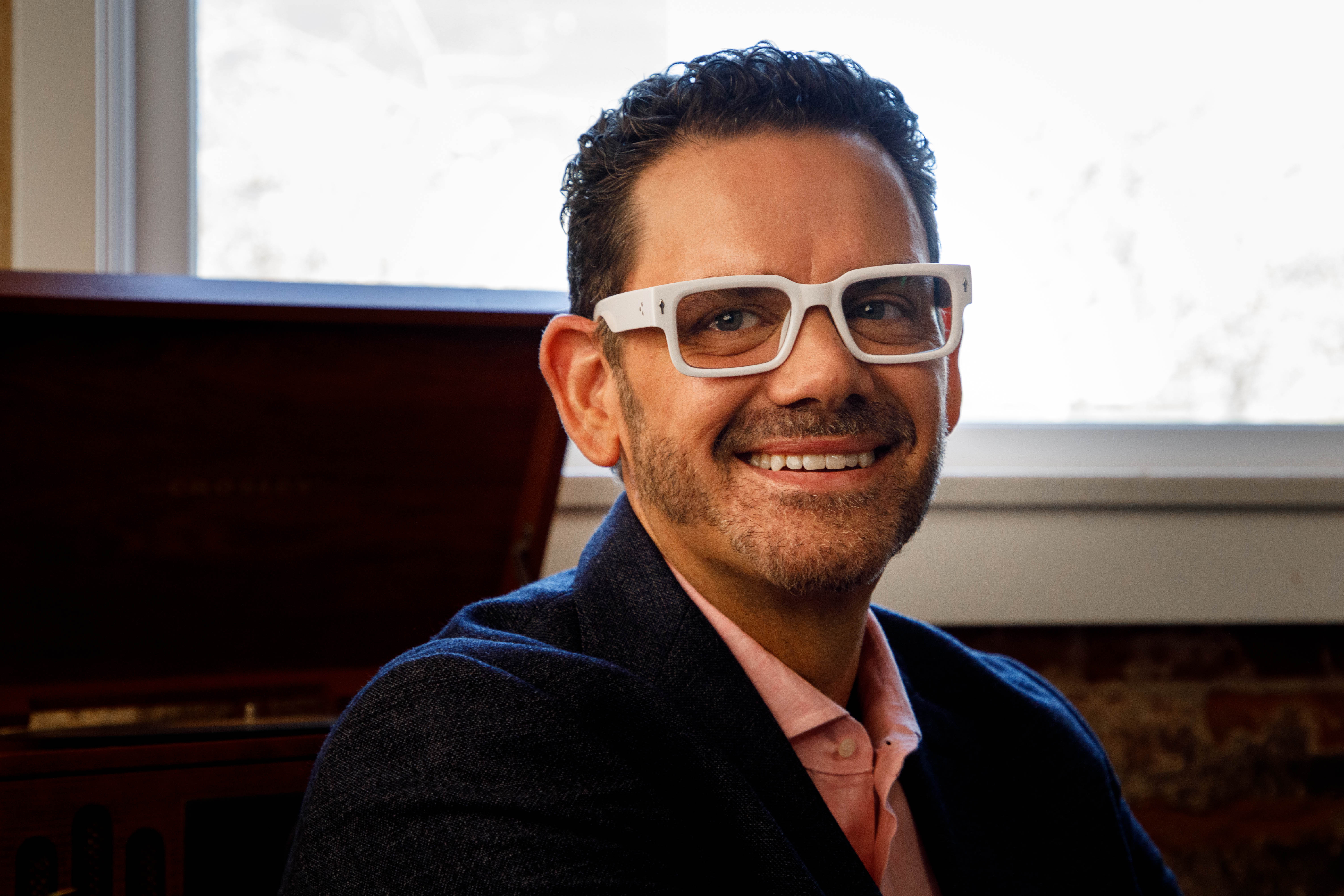
The leadership author and culture expert says the Olympic champion’s viral moment is a masterclass in the kind of recognition most of us miss entirely.
When Elana Meyers Taylor stood atop the podium after winning gold in monobob at the 2026 Winter Olympics, she made history several times over in a single afternoon. At 41, she became the oldest U.S. woman to win an individual gold medal at the Winter Games. She is the most decorated Black Winter Olympian of all time and tied Bonnie Blair as the most decorated female American Winter Olympian. The mother of two deaf sons, one of whom also has Down syndrome, Meyers Taylor almost had a completely different story.
Weeks before the Games, she texted her husband from Norway:
“I’m done.”
From the comeback and the gold to signing “Mommy won” to her boys, she then went on to thank her village, specifically her nanny, Macy, and the nannies who have worked with her family along the way.
For Chris Dyer, that moment was everything.
For leadership expert Chris Dyer, it was more than a touching moment. It was a masterclass in recognition and a reminder of what National Employee Appreciation Day, celebrated on the first Friday in March, is supposed to be about.
Recognition Isn’t a Perk. It’s a Moment.
Dyer, a keynote speaker and culture strategist known for his work on communication and the future of work, has built his career on one idea: the moments that shape culture are rarely scheduled.
His fourth book, Moments That Matter, releases March 24, 2026. In it, he argues that neuroscience shows we remember less than one percent of what we experience. That sliver becomes the story we tell about our careers, our leaders, and our worth.
“Not all moments are created equal,” Dyer says. “Some are worth a thousand days of consistency. Others can undo years of trust.”
In his framework: See, Shape, Scale, Dyer has designed a process to help leaders recognize high-impact moments before they slip by. Among the seven universal types he identifies is one that Meyers Taylor played out on the Olympic stage: Recognition.
The Infrastructure Behind Every Win
What Meyers Taylor did, in his view, was recognize invisible labor on the largest possible stage.
“Caregivers, nannies, childcare workers, stay-at-home parents, and grandparents who step in quietly. They form an infrastructure that makes visible achievement possible, and that infrastructure is almost never acknowledged when the spotlight turns on.”
In business, that infrastructure has different titles. Sometimes it’s the executive assistant, operations manager, project coordinator, HR partner, or night-shift supervisor. Whatever the title, they are the people who make the machine run but rarely get the limelight.
On National Employee Appreciation Day, companies often default to perks like catered lunches, gift cards, and branded swag. None of it is wrong, Dyer says, but he wants leaders to go deeper.
“You don’t need a budget for this kind of recognition,” he explains. “You need five seconds of courage and the willingness to say someone’s name out loud when it counts.”
Why Leaders Miss It
Dyer believes most leaders don’t fail at recognition because they’re ungrateful, but because they don’t see the moment when it’s happening. “They move on too quickly. They assume people know. They save gratitude for performance reviews or annual awards when the truth is that high-impact recognition is specific, timely, and when the occasion calls for it, it’s done in public.”
Meyers Taylor didn’t wait for a private moment. She used the biggest stage of her life to acknowledge the people who made her journey possible.
“National Employee Appreciation Day offers leaders a smaller stage; but, the same choice,” Dyers says. “It’s an opportunity to ask yourself, ‘Who is your nanny Macy? Who is the person whose quiet work makes your visible success possible?’”
Dyer says most of us already know who that person is. We just haven’t done anything about it, yet.
“This year, skip the generic thank-you email. Recognize the moments that matter by actually recognizing the person instead because in the end, life isn’t measured in time. It’s measured in moments.”