
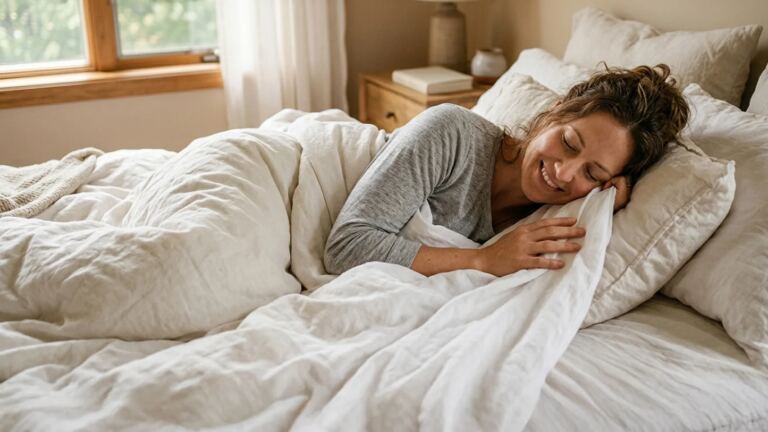
Sustainability has not always been an easy sell in the luxury market. For years, environmentally conscious products were often presented with an implicit tradeoff. Choosing the more responsible option might mean accepting something less plush, less polished, or more expensive simply because it carried the right credentials.
That bargain has become considerably harder to justify. Consumers have more choices, sustainability claims receive greater scrutiny, and a product still has to be good enough to earn a place in the home. A bath towel can carry an impressive certification, but it also needs to feel great after a shower. Sheets still have to make the bed more inviting at the end of the day.
Delilah Home has spent the past seven years building its business around the argument that those priorities do not need to compete.
“Consumers are often told they have to make a choice: buy luxury, buy sustainable, or buy something affordable—but not all three,” the company says. “At Delilah Home, we’ve spent the last seven years proving that you don’t have to compromise.”
That philosophy is most apparent in decidedly ordinary products. Delilah Home makes organic cotton bed sheets, bath towels, and kitchen towels, the kinds of household textiles that rarely receive much attention despite being touched and used constantly.
There is something persuasive about starting there. Luxury in the home is often associated with the exceptional, but some of the products with the greatest influence on daily comfort are remarkably mundane. Sheets surround the body for hours every night. A bath towel is used every morning. Kitchen towels are reached for repeatedly without much thought until one proves particularly good or particularly bad.
Delilah Home’s approach is to make those everyday objects feel better while paying considerably more attention to where and how they are produced.
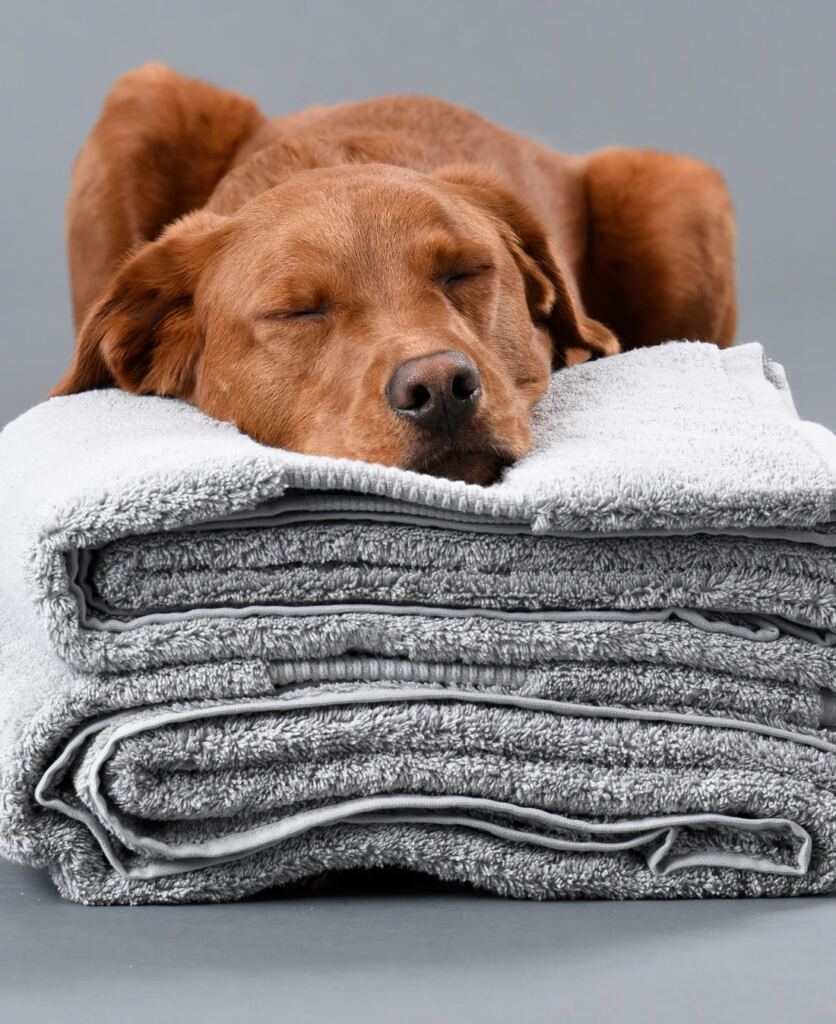
Its 100% Organic Cotton Bed Sheets are both organic and vegan certified, bringing the natural breathability and softness of cotton to a product that spends prolonged time directly against the skin. The company’s 100% Organic Cotton Bath Towels are certified to both the Global Organic Textile Standard, better known as GOTS, and the Vegan.org standard. Organic cotton carries through to the kitchen towel collection as well, creating consistency across some of the most frequently used textiles in the house.
The certifications are important, but Delilah Home wisely does not treat them as the entire product.
“Everything we create begins with one question: Would we be proud to have this in our own home?” the company explains. That standard has led it to work with family-owned factories in Portugal and prioritize products designed to survive regular use rather than a few seasons.
It is an approach that makes more sense as sustainability itself matures. Buying something with a lower environmental impact loses much of its advantage if poor construction means replacing it frequently. Longevity is not as immediately visible as organic fibers or environmentally conscious packaging, but a towel that remains absorbent and a sheet set that improves with use offer a particularly practical form of sustainability.
The products also make a case for organic materials without asking them to become the focal point of the room. The sheets are meant to feel crisp and breathable. The bath towels put softness and absorbency first, while the kitchen towels bring the same material philosophy into a hardworking part of the home. The sustainability story sits underneath those experiences rather than replacing them.
That distinction is important because responsible products are unlikely to become the default by asking consumers to continually make sacrifices on their behalf. A better model is one in which the more sustainable choice also happens to be the one someone would prefer to own.
Delilah Home calls its approach “everyday sustainable luxury,” and the everyday part may be more significant than the luxury label. The company is not trying to make ordinary routines extravagant. It is arguing that quality is felt most often in small moments, whether that means getting into a well-made bed or reaching for a substantial towel after a shower.
There is also a personal story behind that philosophy. The company takes its name from Delilah, a golden retriever who survived 62 days alone in the North Carolina mountains before a community effort brought her home. Her story helped inspire the principle behind the business, summed up by the phrase, “If you can’t pay it back, pay it forward.”
Giving back has remained part of the company alongside its emphasis on ethical manufacturing and organic materials. That makes Delilah Home’s definition of luxury broader than softness or craftsmanship alone. The company wants the purchase itself to carry some meaning.
None of that would matter very much if the towels were unpleasant or the sheets uncomfortable. That may be the most encouraging development in sustainable home goods. Responsibility no longer needs to be the reason for overlooking shortcomings. Increasingly, it can simply be another reason to choose a product that already earns its place on quality.
Delilah Home’s sheets and towels make that case through products used during some of the most ordinary moments of the day. They feel good, are made with unusual consideration for their materials and origins, and are intended to stay in the home rather than cycle quickly through it.
Perhaps that is where modern luxury is heading. Less about having something extravagant and more about making the things used every day considerably better, with fewer reasons to feel conflicted about owning them.