DUSQ wants to end the era of waking up with perfect sleep scores and terrible mornings. The India-founded sleep‑tech consumer company is preparing a US debut built on a stark claim: the problem was never that people lacked sleep data, but that their nervous systems stayed stuck in high gear all night.
From Sleep Scores to Sleep Regulation
For more than a decade, sleep technology has rewarded users with dashboards, rings, and charts that track every breath and heartbeat. Yet millions of high‑functioning professionals still wake up exhausted despite doing everything right: they track, supplement, meditate, and tweak their bedrooms, only to feel flat when the alarm goes off. DUSQ frames this as evidence that information alone has hit its ceiling.
According to the company, the missing link sits inside the autonomic nervous system, the control layer that governs heart rate, breathing, and arousal. Each night, many people experience 20 or more micro‑arousals that fragment deep sleep, yet most devices can only register those breaks after the fact. DUSQ’s core claim is simple and aggressive: sleep technology needs to move from watching those disruptions to acting on them in real time.
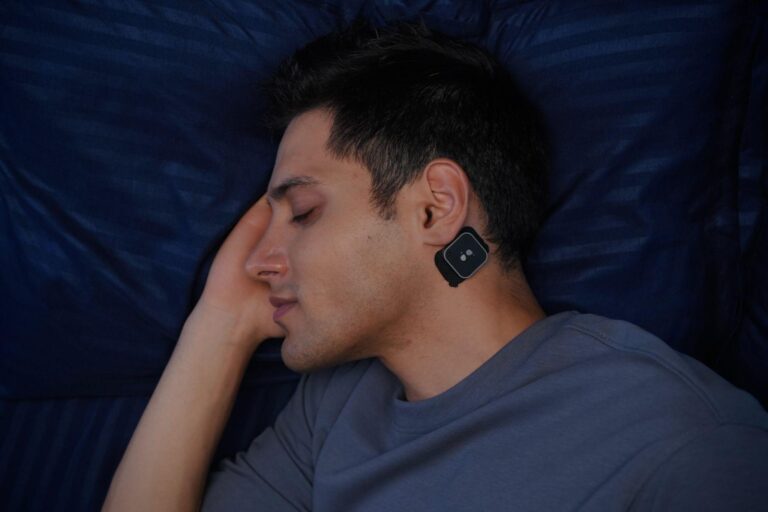
DUSQ labels its product the world’s only closed-loop sleep regulation system, a 12‑gram wearable that sits behind the ear and monitors signals from the nervous system throughout the night. The device uses electrodermal activity sensing to detect autonomic spikes, then responds with adaptive stimulation of the vagus and vestibular nerves to pull the user back toward deep sleep before they fully wake. In DUSQ’s own framing, that shift from passive tracking to closed‑loop intervention is the birth of a new category.
The company supports its thesis with early evidence. In one completed clinical trial, DUSQ reports that users saw about 31 percent more deep sleep, 38 percent better heart rate variability, and 22 percent fewer nighttime awakenings. It points to more than 50 million physiological datapoints gathered in its in‑house sleep lab, plus CDSCO certification in India and an underlying vestibular‑nerve stimulation modality that received FDA clearance for insomnia in 2023.
“We don’t just track sleep. We regulate it. We’ve declared the death of the sleep score — a metric that has made the industry rich and left the user exactly where they started.”
Building a New Health Tech Category From India
DUSQ’s founders are open about their ambitions: they want sleep regulation to stand beside trackers and wearables as a core health tech category in its own right. The company describes its goal as defining a class of technology that treats the autonomic nervous system as the root of recovery, rather than a side note in a wellness routine. That framing pushes DUSQ away from lifestyle branding and toward a more clinical, performance‑driven identity.
The team is already road‑testing that identity at scale. DUSQ counts more than 2,000 Generation 1 commercial users in India, many of whom discovered the device after its appearance on Shark Tank India, where the company secured a three-Shark deal. Those early users fed data into a seven‑bed research lab that the company runs in‑house, giving DUSQ the large dataset it now cites as proof that micro‑arousals are the quiet enemy of recovery.
Funding and backing help reinforce that this is meant to be more than a clever gadget. DUSQ has raised roughly $3 million in seed capital, led by Fireside Ventures with support from Antler India, Climber Capital, and other notable angels. The company frames this round as fuel for international ambitions rather than a domestic expansion play.
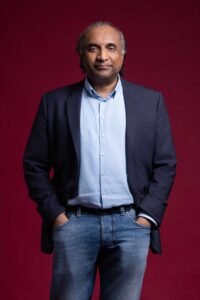
Co-founder Dr. Siddhant Bhargava is a physician and Forbes 30 Under 30 Asia honoree with 10+ years in healthcare. He survived Lupus as a teenager and cancer in his twenties. Those experiences drove his conviction that poor sleep sits at the root of far more chronic illnesses than the industry acknowledges.
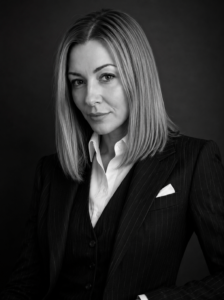
The founding team includes Gursakhi Lugani, Chief Taste Officer at DUSQ, a second-time founder who built her previous brand from zero to 11 countries and into a landmark acquisition; Ronak Shah, co-founder of Obvi, with a track record of driving more than $100 million in sales; Shalmali Kadu heading product, Mitansh Khurana leading tech, Animesh Kumar heading biotech, and Hrithik Jaiswal leading algorithms.
The US is the next testing ground. DUSQ went live on Kickstarter on June 9, 2026, with a waitlist of over 10,000 people — and early numbers suggest a $1 million-plus opening, according to the company.
Shipping is slated for August 2026, with early tiers on Kickstarter priced between about $229 and $249, compared with a planned retail price of $499. Each detail is calibrated to send a signal: this is a launch‑stage sleeptech firm stepping into one of the most competitive consumer health markets in the world.
Inside the product story, DUSQ keeps circling back to an idea it calls SQ, or Sleep Quotient. Instead of grading last night’s sleep on a simple score, the company says SQ tracks the body’s capacity to recover over time. The metric is meant to re‑frame success: from chasing a prettier chart to rebuilding a tired body’s ability to bounce back, night after night.
“The next frontier of human performance isn’t another score. It’s restored biological function,” said Dr. Siddhant Bhargava, Co-founder and CEO of DUSQ.
From Observation to Intervention
DUSQ’s narrative carries a note of defiance toward the broader sleep‑tech market. In the company’s view, mainstream devices like Oura and Whoop belong to a separate class entirely: they are instruments of observation, while DUSQ wants to be known for intervention. That distinction matters because it turns the company into a challenger of the category itself rather than another brand adding one more ring, app, or headband to the pile.
The differentiation extends to timing. Most neurostimulation products focused on sleep, such as pre‑bed headbands or vagus‑nerve stimulators, deliver a fixed pattern of stimulation before the user lies down, then stop. DUSQ pitches itself as the only system that begins working at dusk, supports the nervous system’s gradual downshift, then keeps modulating stimulation during every phase of the night as physiological signals change. The user does not trigger anything; they simply wear the device and wake up to different data — and, if the company’s claims hold, a very different feeling.
The science language can sound dense, yet the pain point it targets is extremely familiar. High‑performing people already stretch their days to fit demanding careers, training schedules, and family responsibilities. Many have tried sleep hygiene, magnesium blends, and meditation apps without feeling reliably restored when they wake. DUSQ speaks directly to that frustration by arguing that behavior tweaks will never be enough if the nervous system never completes its downshift during sleep.
Early traction suggests the message is landing. The company’s category‑first branding — an Indian sleep‑science firm taking on the US health tech market with a new class of device — has already drawn attention from investors and a growing crowd of prospective backers. The Kickstarter launch has become more than a crowdfunding event; it is emerging as the first public proof that sleep regulation resonates with consumers who have grown weary of being told how badly they slept.
DUSQ’s wager is bold. If its trials continue to support its claims, and if users feel the difference between one more score and a nervous system that finally calms down at night, sleep regulation could begin to slide into the health‑tech mainstream. If it fails, the status quo will stand a little longer, and sleep scores will keep lighting up screens each morning even as tired people wonder why they still feel worn out. For now, DUSQ is betting its future — and a sizable slice of India‑backed capital — on the idea that the next big category in health tech will be defined in the dark, while users lie asleep.